
Last updated September 22, 2026
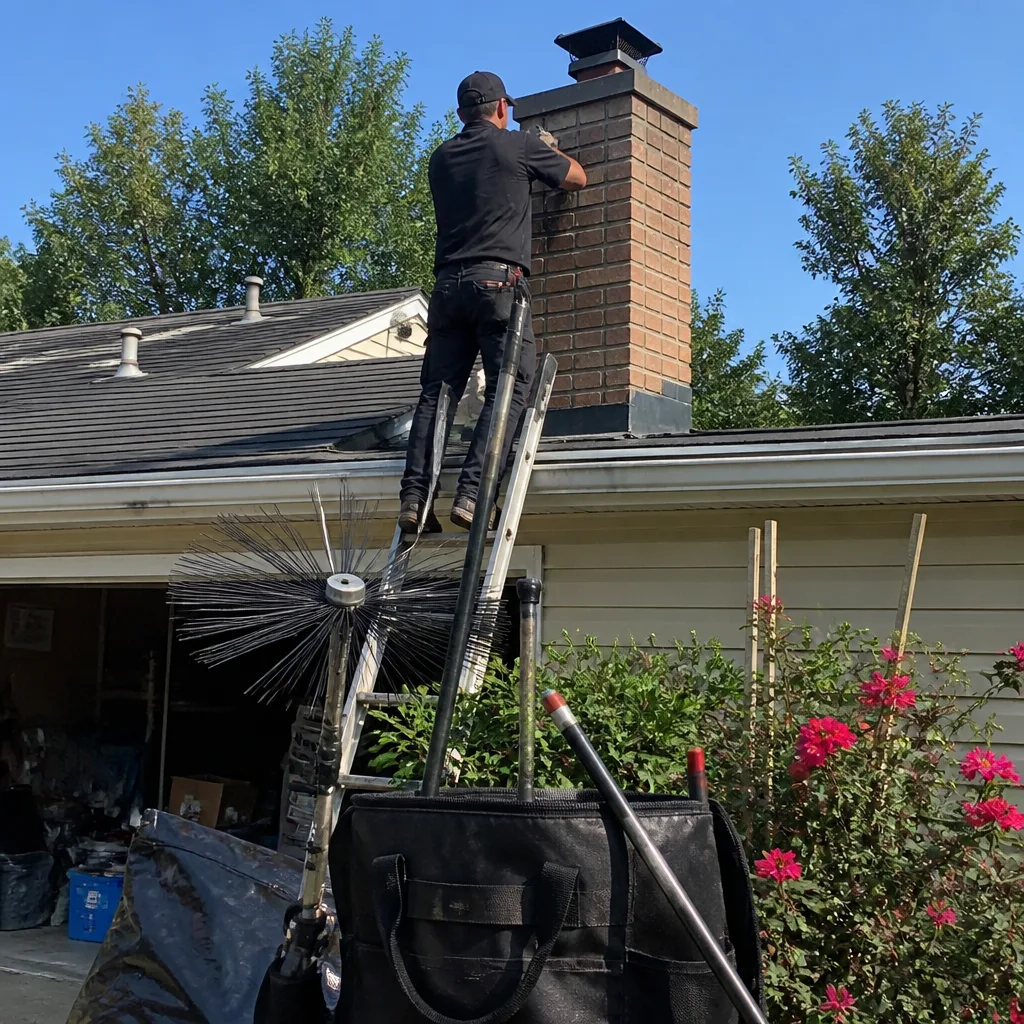
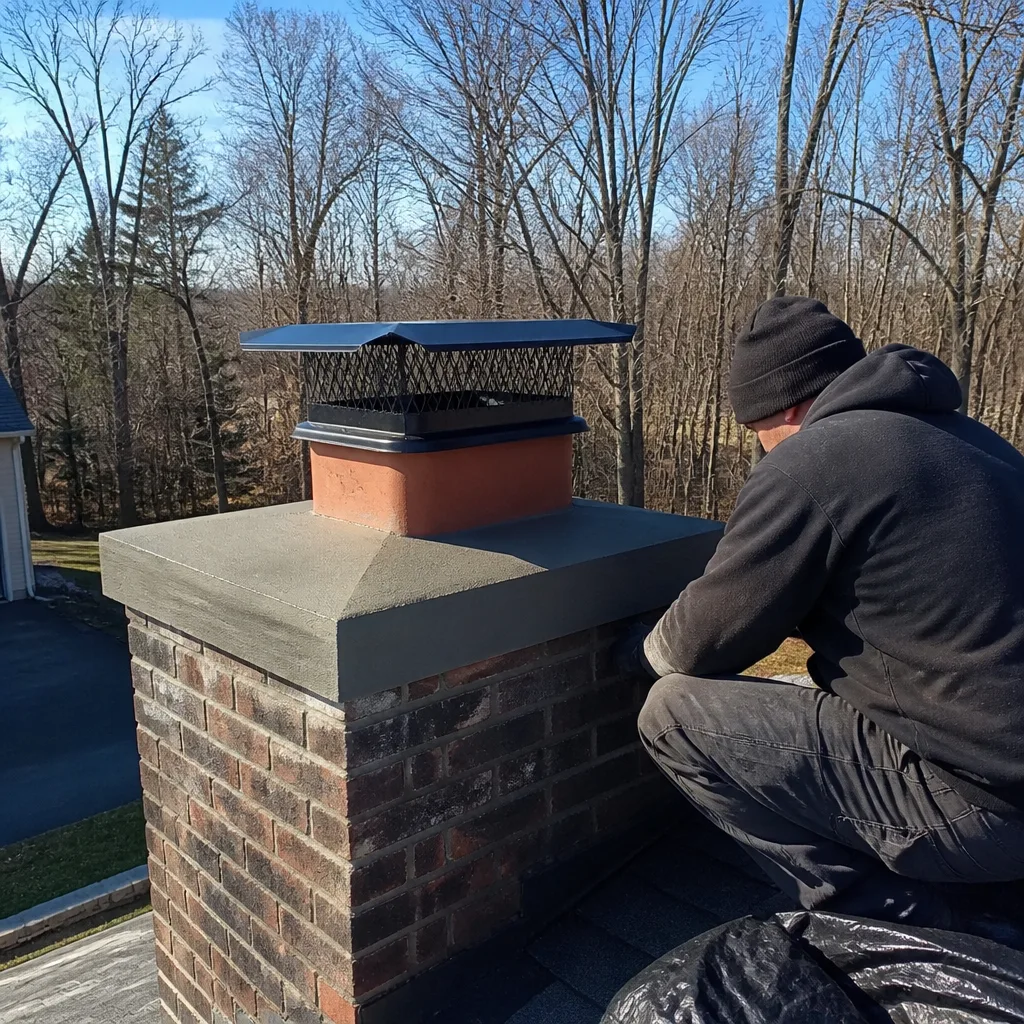
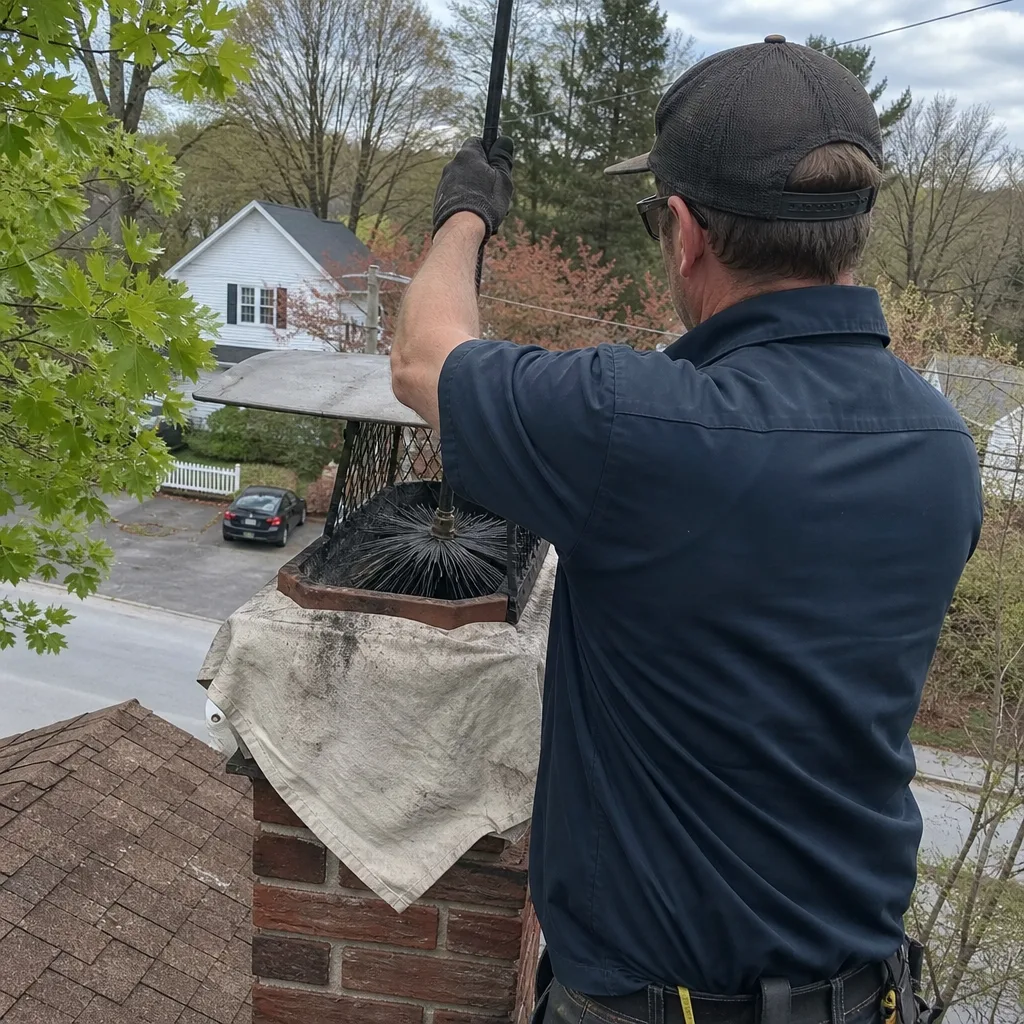
Level 1 sweep and inspection to the NFPA 211 annual standard - flue, crown, cap, and flashing checked and photographed
Chimney sweep logs do not sweep chimneys. They loosen some creosote - which then falls where a brush and vacuum still have to collect it.
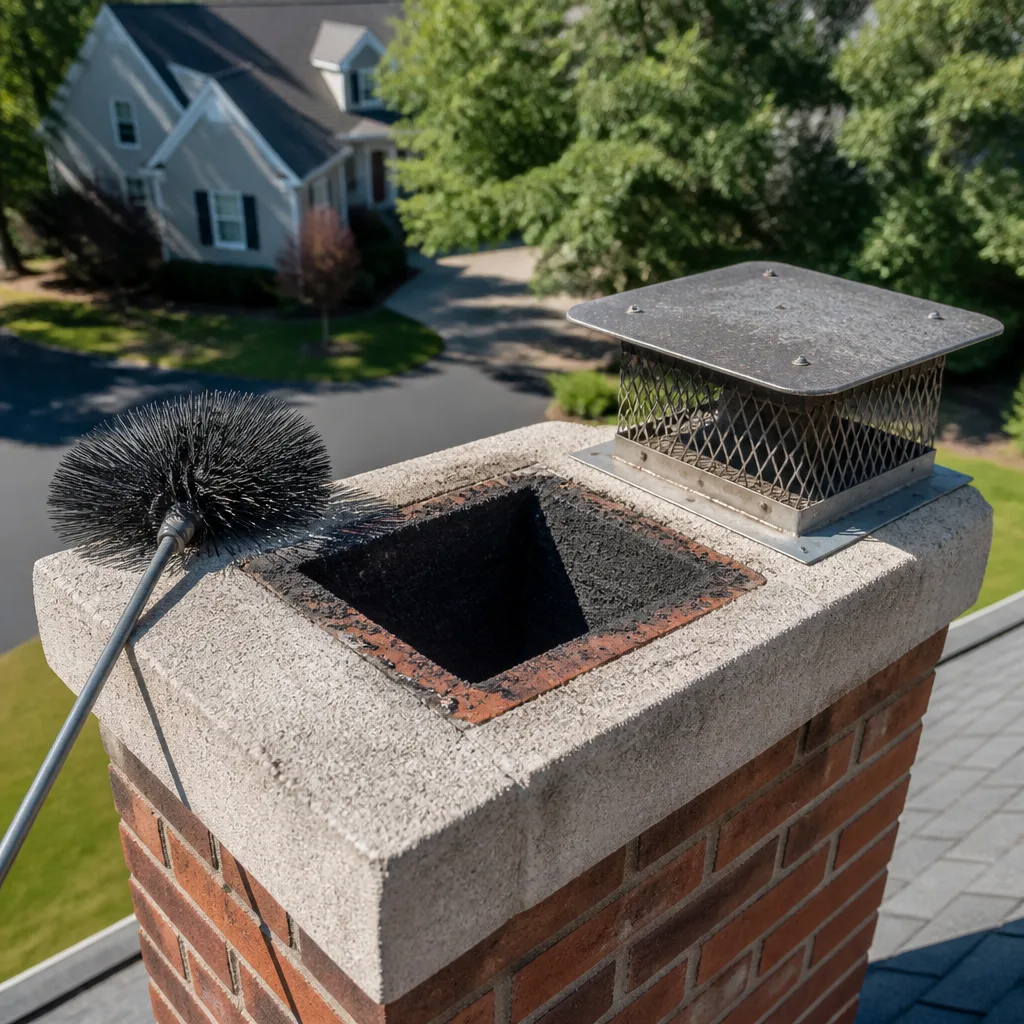
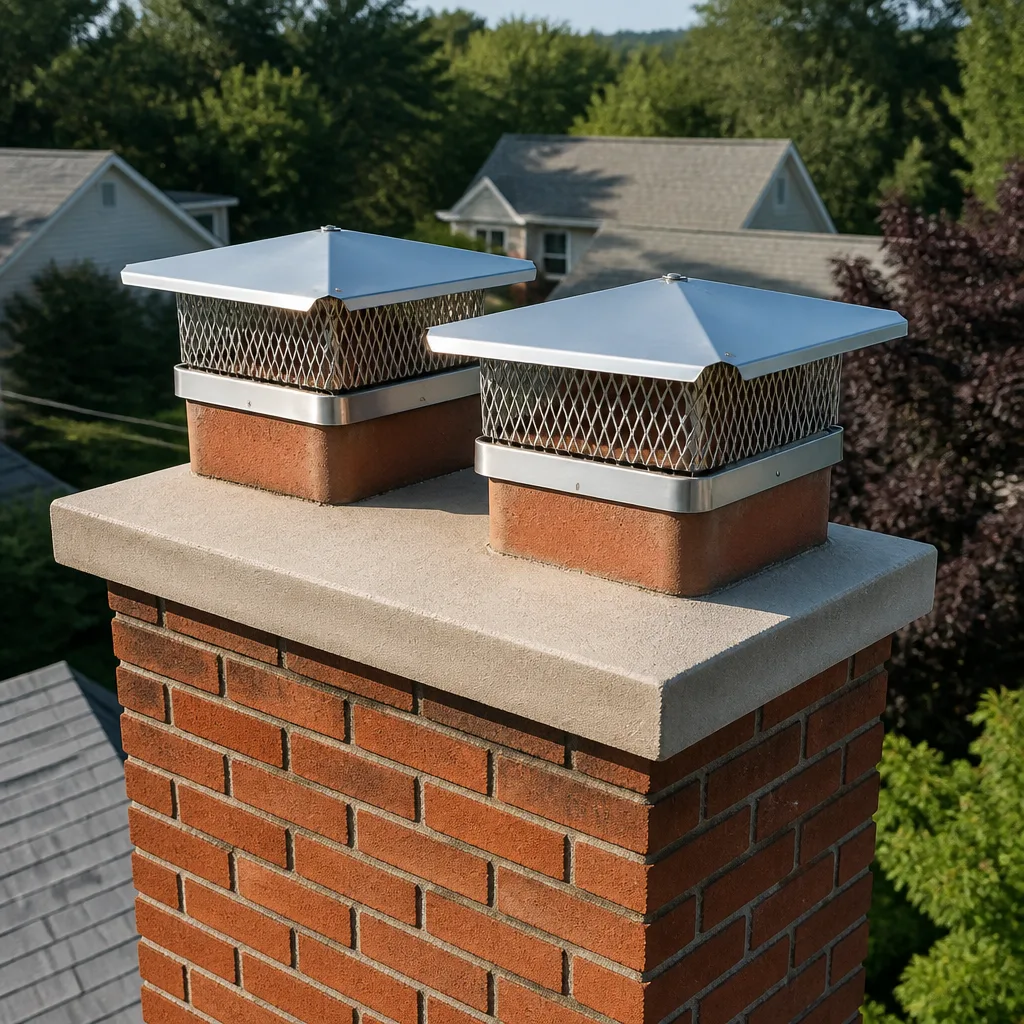
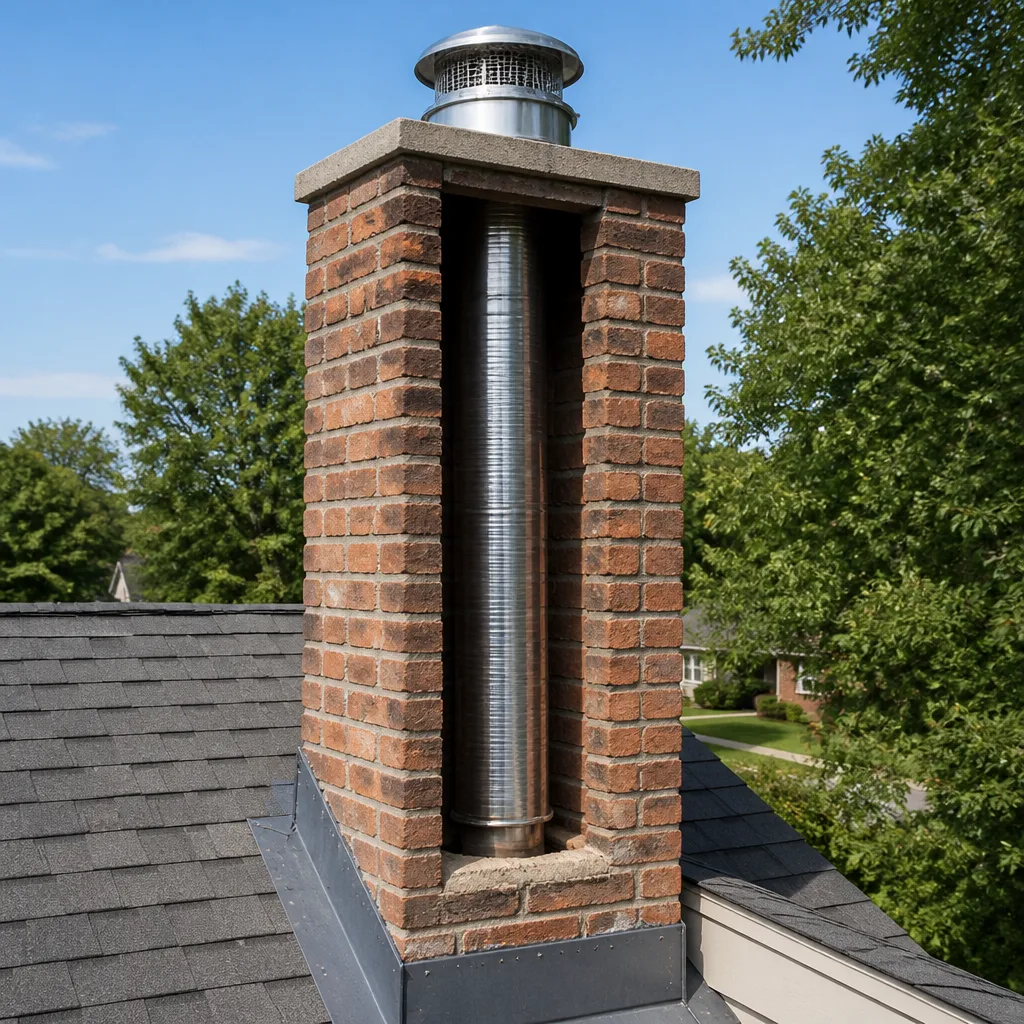
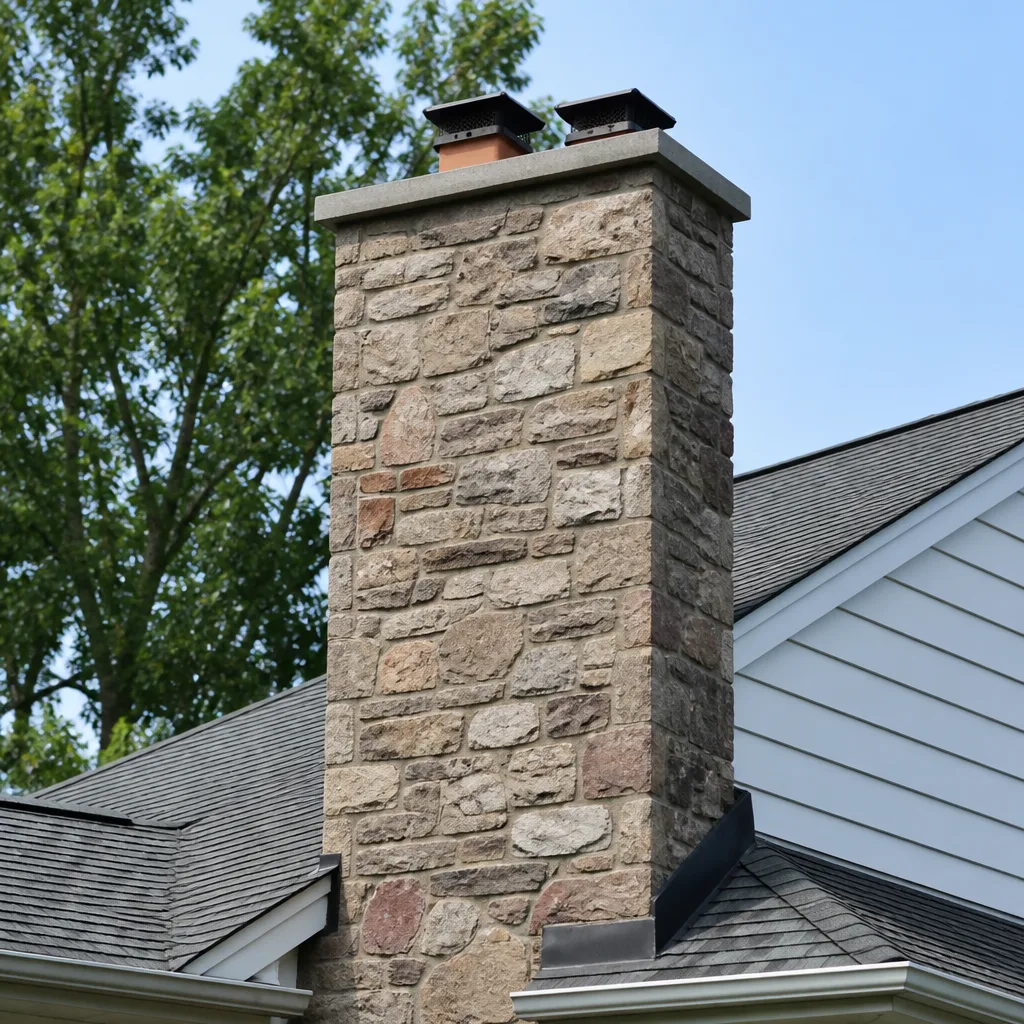
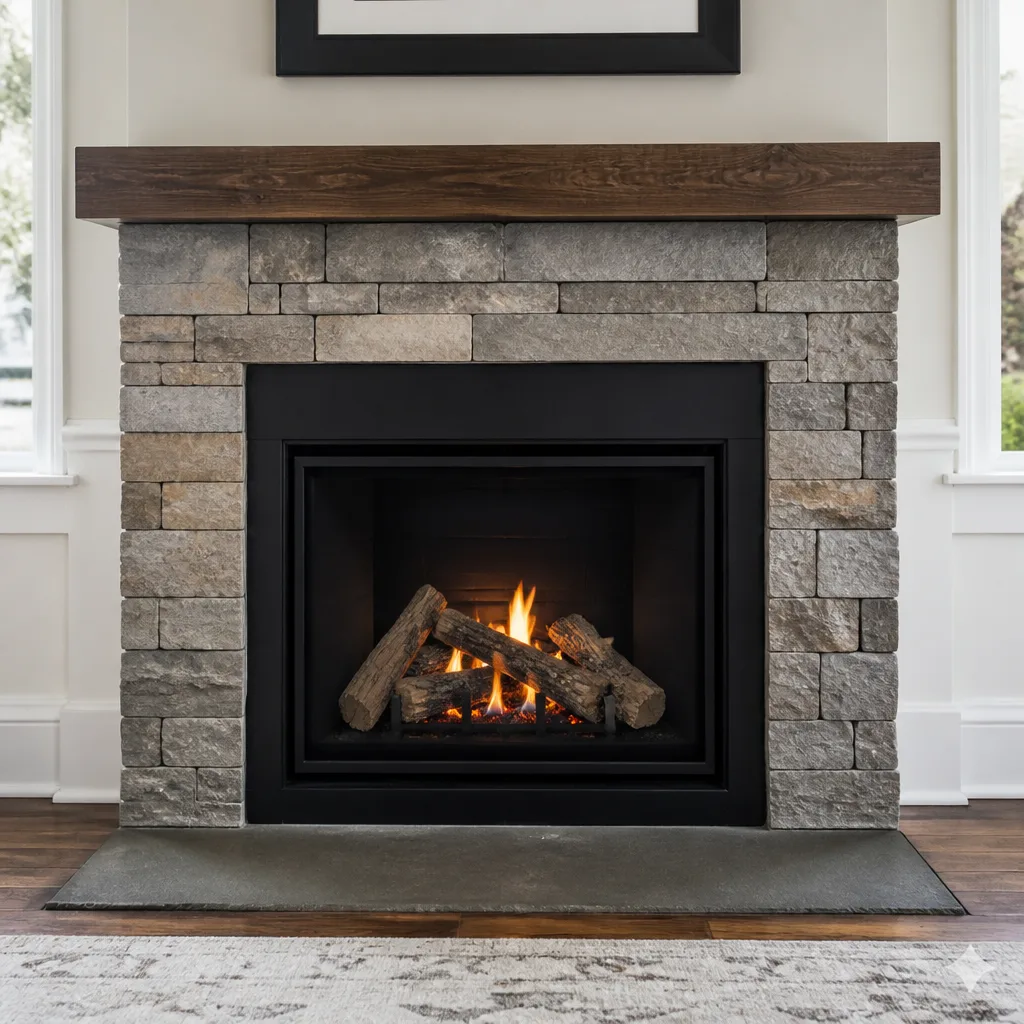
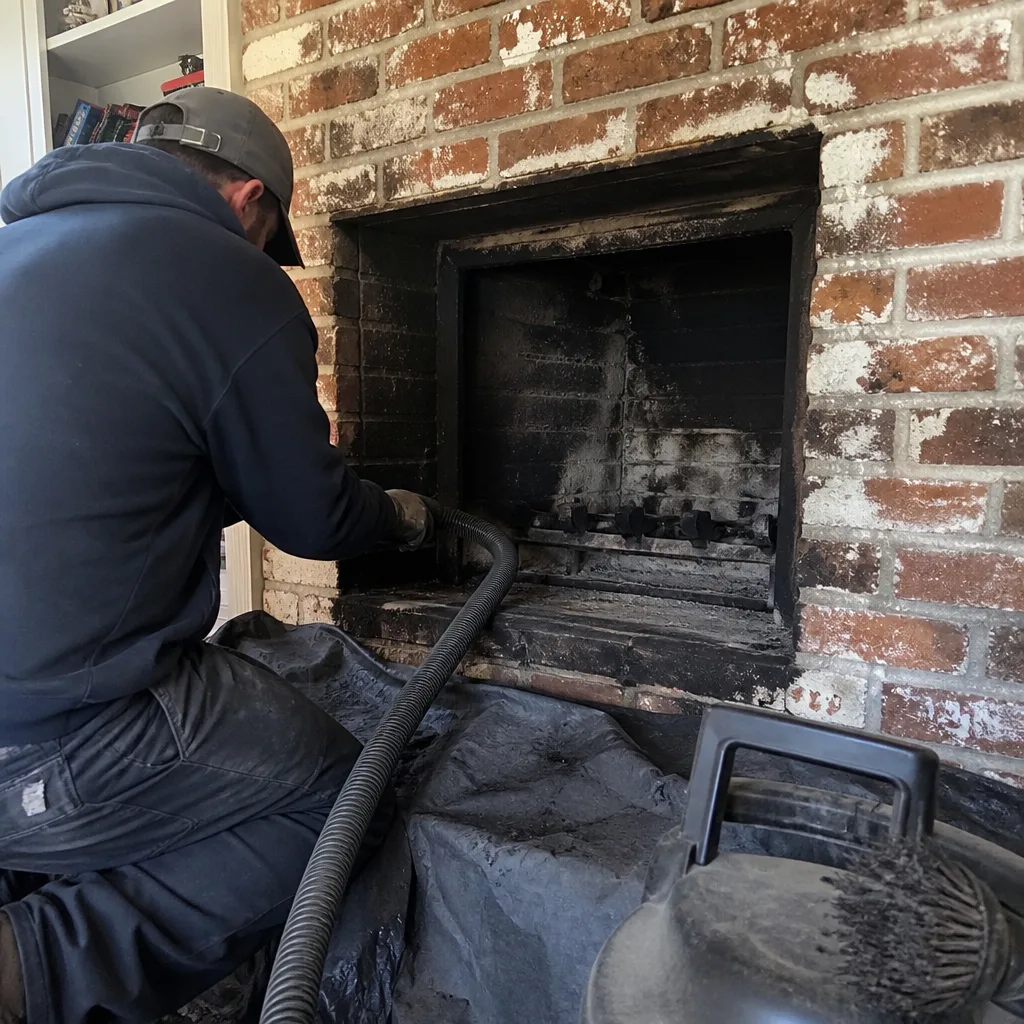 Before
 After
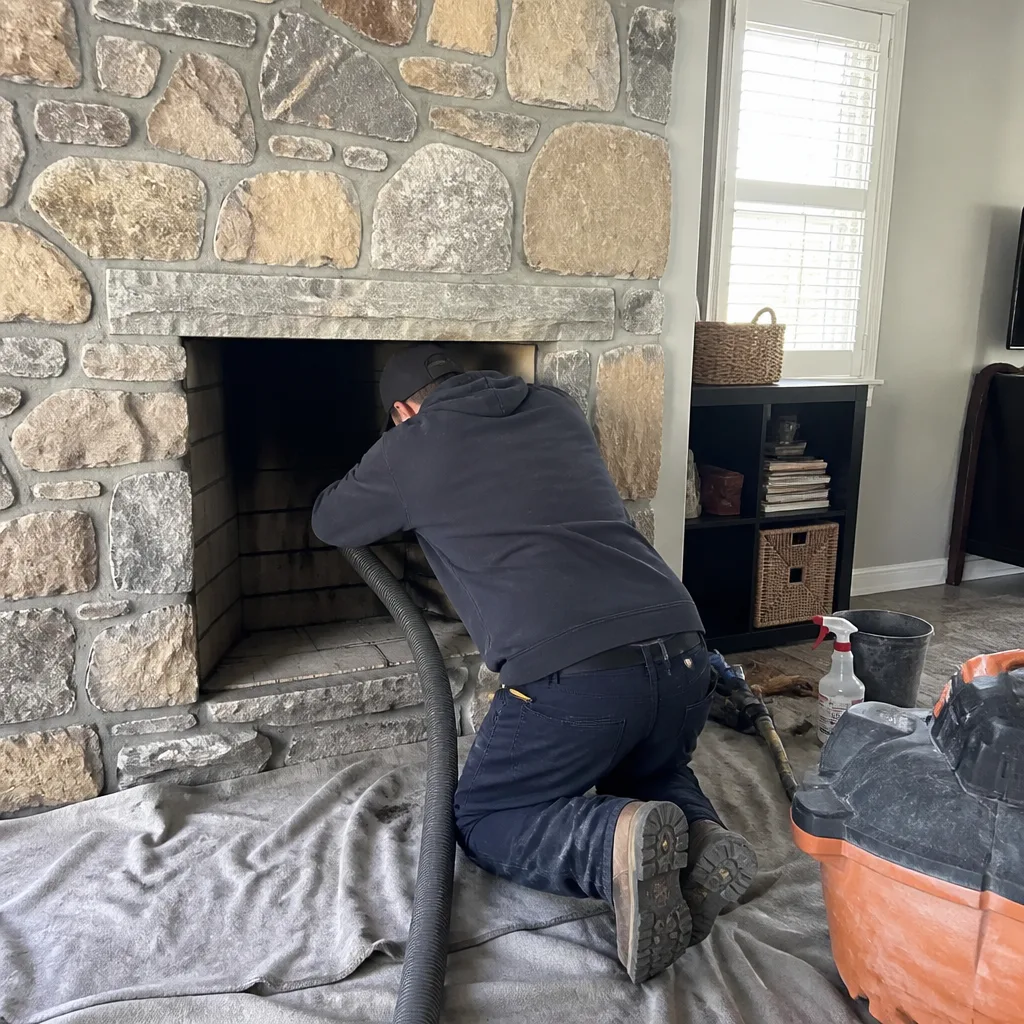
After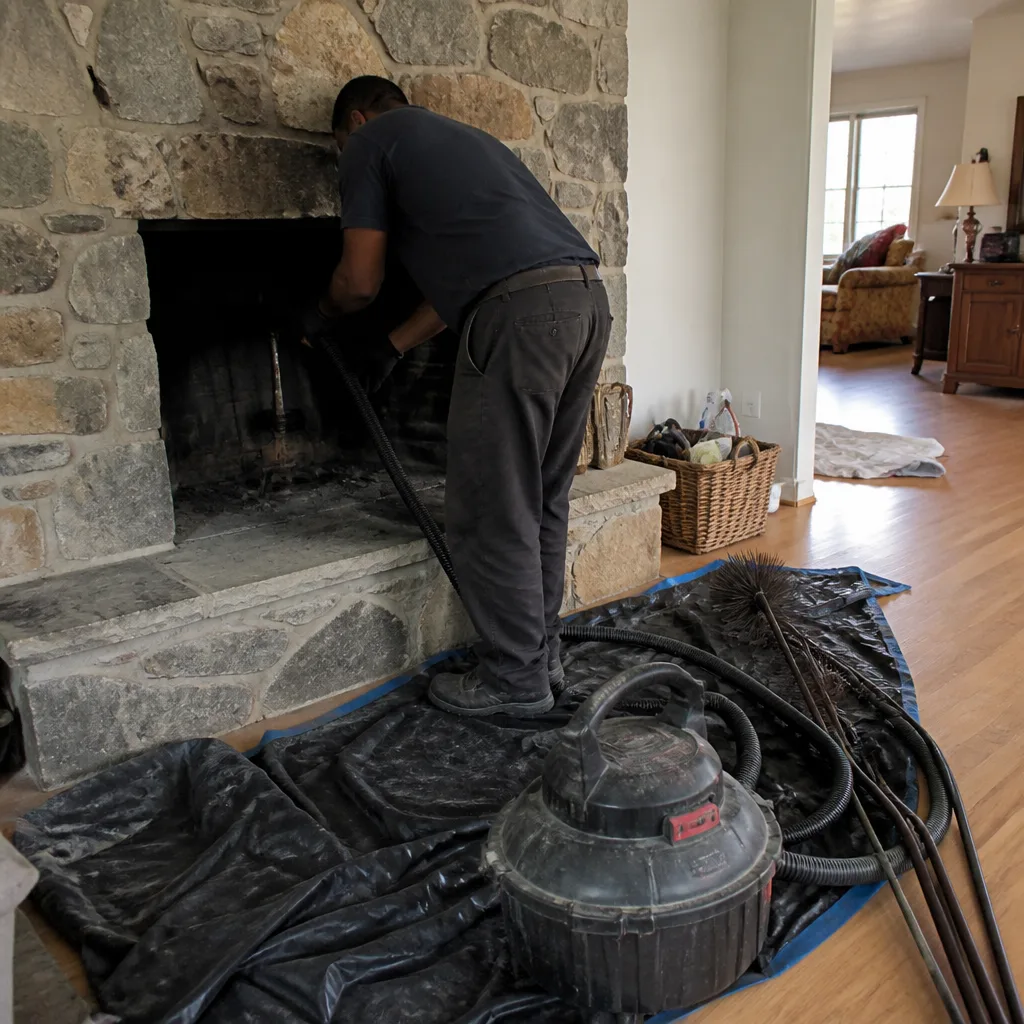 Before
 After
After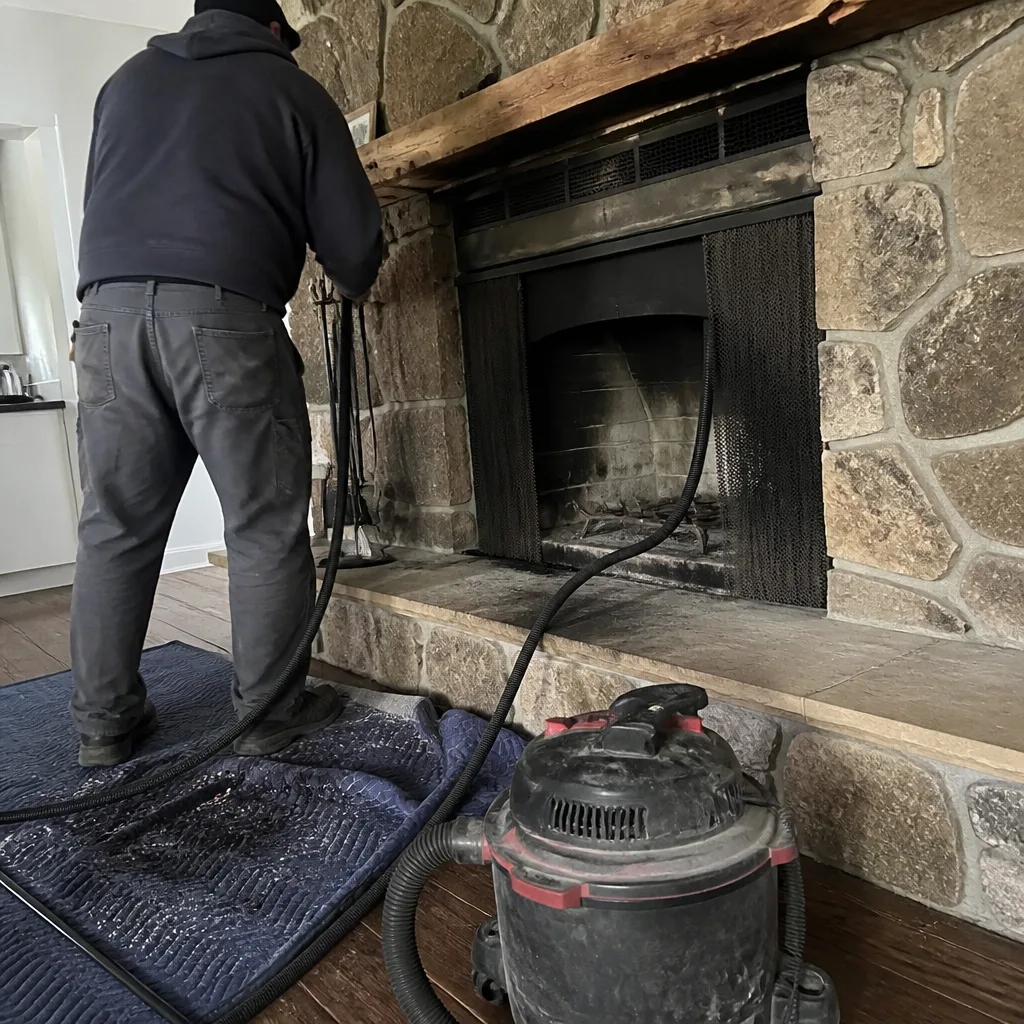 Before
 After
AfterChimney Cleaning & Sweep Maintenance Checklist for Phoenixville Homeowners
The standard advice - “check your chimney once a year” - is about as useful as being told to “check your car.” What part? For what? And how do you know if what you’re seeing matters? In Phoenixville, where homes range from 1890s Victorians near Reeves Park to 2010s builds in Kimberton Meadows, chimneys age differently, vent different appliances, and face different weather loads off the Schuylkill River valley. We’ve completed more than 38,000 inspections since 2009, and the homeowners who avoid emergency repairs aren’t the ones who “checked” their chimney. They’re the ones who knew what twelve specific conditions to look for, what each finding means, and whether it can wait until next season or needs a camera scan now. This guide gives you that checklist, room by room and season by season, with pass/fail thresholds you can actually use. For a deeper dive, see The Complete Guide to Chimney Cleaning in Phoenixville.
Quick Answer
A proper chimney maintenance checklist for Phoenixville homeowners covers twelve specific conditions across four zones: firebox interior, exterior masonry and crown, cap and spark arrestor, and damper assembly. Most items require only a flashlight and ten minutes; findings fall into three categories - note and monitor, schedule a camera scan, or stop use and call a professional. The Schuylkill Valley’s freeze-thaw cycles and mature oak canopy create conditions that differ from Chester County’s western hills, so thresholds for moisture damage and debris accumulation are tighter here than generic national guidance suggests.
Table of Contents
- Firebox Interior: What Normal Wear Looks Like vs. Structural Failure
- Exterior Masonry and Crown: Reading Efflorescence as a Moisture Timeline
- Cap and Spark Arrestor: Phoenixville’s Tree Canopy and Wind Corridor
- Damper Operation: The One Sound That Means Warping
- Seasonal Schedule: When to Check What in Chester County
- When Checklist Findings Need a Professional Camera Scan
- Common Mistakes to Avoid
- When to Call a Professional
- Frequently Asked Questions
 Before
 After
AfterFirebox Interior: What Normal Wear Looks Like vs. Structural Failure
The firebox is where you can do the most good with the least risk. No ladders, no roof work, just a flashlight and a willingness to look closely at brick and mortar that live in 1,000-degree temperature swings.
What to Look For
- Brick spalling on the rear wall. Surface flaking of firebrick is normal after 10-15 years of use. The key distinction: superficial spalling leaves the brick face pitted but structurally intact. Active structural deterioration means you can fit a pencil tip more than a quarter-inch into a crack that runs through the brick, or you see missing chunks that expose the inner body of the brick. In Phoenixville’s older homes near Bridge Street, we’ve seen fireboxes from the 1920s with cosmetic spalling that’ll last another decade, and 1990s rebuilds with through-cracks from thermal shock caused by overfiring.
- Mortar joint recession. Run your finger along the horizontal joints between firebricks. A slight valley is normal. A joint that’s eroded more than 3/8-inch deep, or where you can wiggle the brick, means the refractory mortar has failed and heat is reaching the surrounding structure.
- Soot and creosote accumulation pattern. A thin, dusty layer of soot on the firebox walls is normal. Thick, tarry, or shiny black deposits - especially on the upper third of the firebox and smoke chamber entrance - indicate incomplete combustion or burning unseasoned wood. In Phoenixville, where many homeowners buy firewood from Chester County suppliers, “seasoned” claims vary widely. We’ve found oak listed as two-year seasoned that still read 28% moisture on a meter. Class III creosote, the hardened, shiny variety, cannot be removed by brushing and requires chemical treatment before it becomes a chimney fire fuel source.
- Smoke shelf and damper throat condition. Shine your flashlight up past the damper. The smoke shelf - the flat area behind the damper - should be free of thick debris. More than a half-inch of sooty buildup here restricts draft and provides fuel if a spark reaches it.
Pass/Fail Thresholds
- Pass: Surface spalling, intact mortar joints, light soot, clean smoke shelf.
- Monitor and note: Recessed mortar under 3/8-inch, localized heavy soot, minor smoke shelf debris.
- Schedule camera scan: Through-cracks in brick, wiggling bricks, Class III creosote, smoke shelf debris exceeding half-inch.
The firebox is your early warning system. Problems visible here almost always continue upward into the smoke chamber and flue, where only a camera can tell the full story. That’s why Chimney Cleaning & Sweep in Phoenixville includes firebox documentation in every Level 2 inspection under Haven Standard Clause 4.
Exterior Masonry and Crown: Reading Efflorescence as a Moisture Timeline
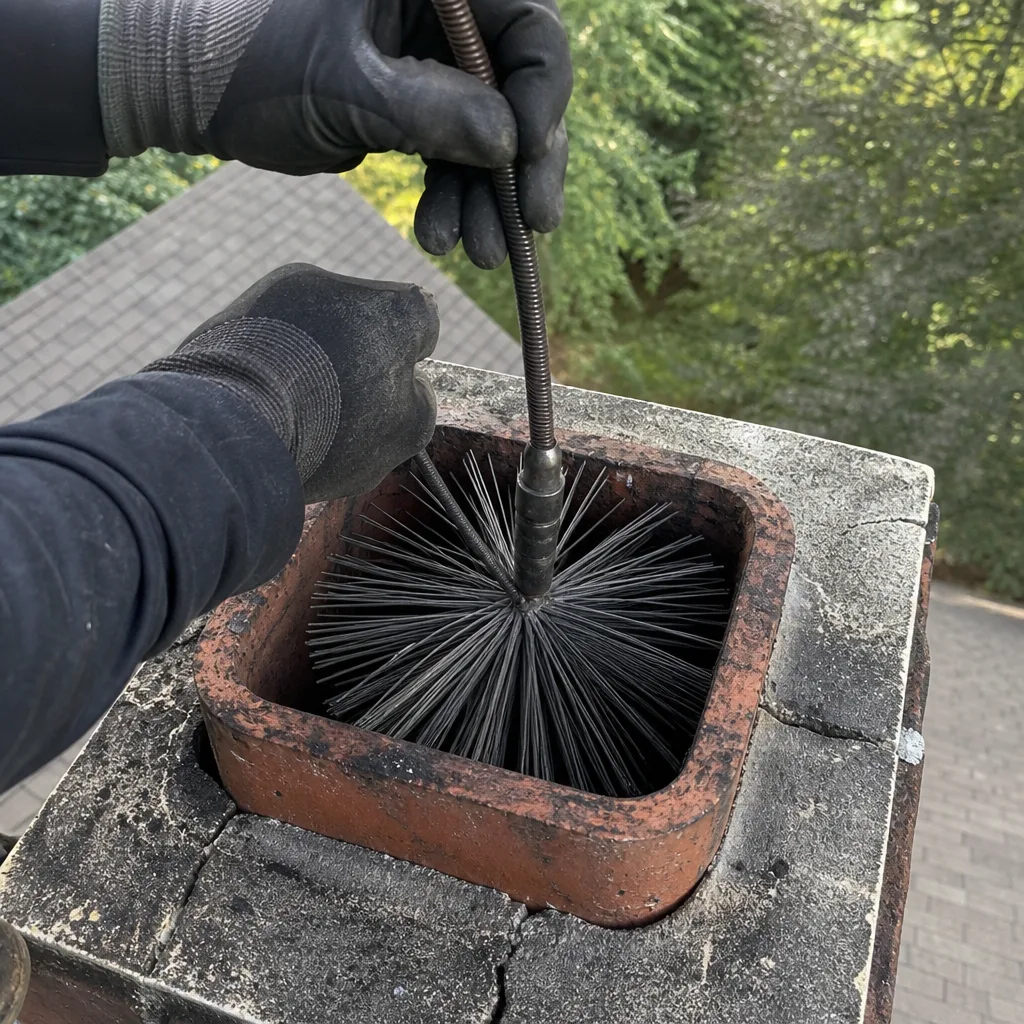
Phoenixville’s position in the Schuylkill River valley creates a specific moisture pattern. Prevailing winds carry humidity up from the river, and the freeze-thaw cycle between November and March is more pronounced here than in Philadelphia’s urban heat island. Your chimney’s exterior tells you how that’s going.
What to Look For
- Efflorescence staging. That white, powdery deposit on brick is salt migration from moisture moving through the masonry. Stage 1: light dusting that brushes off dry - indicates seasonal moisture, usually not urgent. Stage 2: crystalline buildup that’s thick enough to scrape with a fingernail - means water is entering regularly, likely through crown cracks or missing mortar. Stage 3: heavy, recurring efflorescence with accompanying spalling on the brick face - the masonry is saturated, freezing, and exfoliating. We’ve seen Stage 3 on chimneys in the Charlestown Oaks area where crown deterioration went unaddressed for three winters; the rebuild cost tripled what crown repair would have been.
- Crown integrity. The crown is the concrete or mortar cap that seals the chimney top. It should overhang the brick by at least 2 inches and have a drip edge. Hairline cracks are normal after five years. Cracks wider than 1/8-inch, or any crack that runs to the edge, allow water directly into the flue structure. A crown that has settled or separated from the brick course below it needs immediate attention.
- Flashing condition at the roofline. Step flashing and counterflashing should lie flat, with no gaps or lifted edges. Rust stains on the roof shingles below the chimney indicate flashing failure. In Phoenixville’s wind corridor, we’ve seen properly installed flashing work loose after severe weather events; the 2021 summer storms lifted flashing on a dozen chimneys we inspected in the following fall.
- Repointing needs. Mortar joints should be recessed no more than 1/4-inch. Deeper recession, or mortar that crumbles when scraped with a key, means water is penetrating the wall system.
Pass/Fail Thresholds
- Pass: Stage 1 efflorescence, hairline crown cracks under 1/8-inch, intact flashing, sound mortar.
- Monitor and note: Stage 2 efflorescence, crown cracks at 1/8-inch, minor flashing gaps, mortar recession to 3/8-inch.
- Schedule camera scan: Stage 3 efflorescence with spalling, crown cracks through to edge or settlement, rust stains from flashing, mortar that crumbles freely.
Moisture damage is cumulative and non-linear. A chimney that looks acceptable in October can be structurally compromised by April after a hard freeze winter. The photo record we provide under Haven Standard Clause 4 lets you compare year over year rather than relying on memory.
Cap and Spark Arrestor: Phoenixville’s Tree Canopy and Wind Corridor
Chimney caps are not decorative. They keep rain, animals, and debris out while containing sparks. In Phoenixville, two local factors make cap condition more critical than national averages suggest: dense mature canopy (oaks, maples, sycamores) and wind patterns off the Schuylkill that drive debris horizontally.
What to Look For
- Mesh screen condition. The spark arrestor mesh should be 5/8-inch or 3/4-inch grid, intact, and not clogged with creosote or leaf debris. In neighborhoods like Pickering Crossing and along the French Creek corridor, we regularly find screens packed with oak catkins in June and leaf litter in November. A clogged screen restricts draft and can force smoke into the home. Mesh that’s rusted through, torn, or missing sections allows animal entry. Squirrels in Phoenixville’s mature neighborhoods are persistent; we’ve removed nests from uncapped flues in January when the occupants noticed the smell.
- Cap body and attachment. The cap should sit squarely, not tilted, and be secured with screws or masonry anchors - not just gravity or a friction fit. Wind gusts in the Schuylkill valley can exceed 40 mph during storm events. We’ve found caps in yards after nor’easters, and the water damage to the flue below begins immediately.
- Clearance and sizing. The cap should cover all flue tiles with at least 1-inch overhang per side, but not be so oversized that it traps moisture. Multi-flue chimneys need a cap that covers all openings; partial coverage is common on 1970s Phoenixville splits we’ve inspected, and it fails the first design purpose.
- Material condition. Stainless steel caps last 15-20 years. Galvanized steel caps in Phoenixville’s humid valley environment often show rust in 5-7 years. We install caps from Famco and Copperfield sourced through Haven’s buying network; the material specification matters more than the brand name, but the buying network ensures we’re not marking up generic stock.
Pass/Fail Thresholds
- Pass: Clean mesh, secure attachment, proper coverage, no rust-through.
- Monitor and note: Seasonal debris buildup, minor rust spots, slight tilt.
- Replace or repair: Clogged mesh that doesn’t clean clear, rust-through, loose attachment, missing cap, improper coverage.
A missing or failed cap is one of the few conditions where we recommend addressing it before the next burning season regardless of other findings. Water entry accelerates every other form of deterioration.
Damper Operation: The One Sound That Means Warping
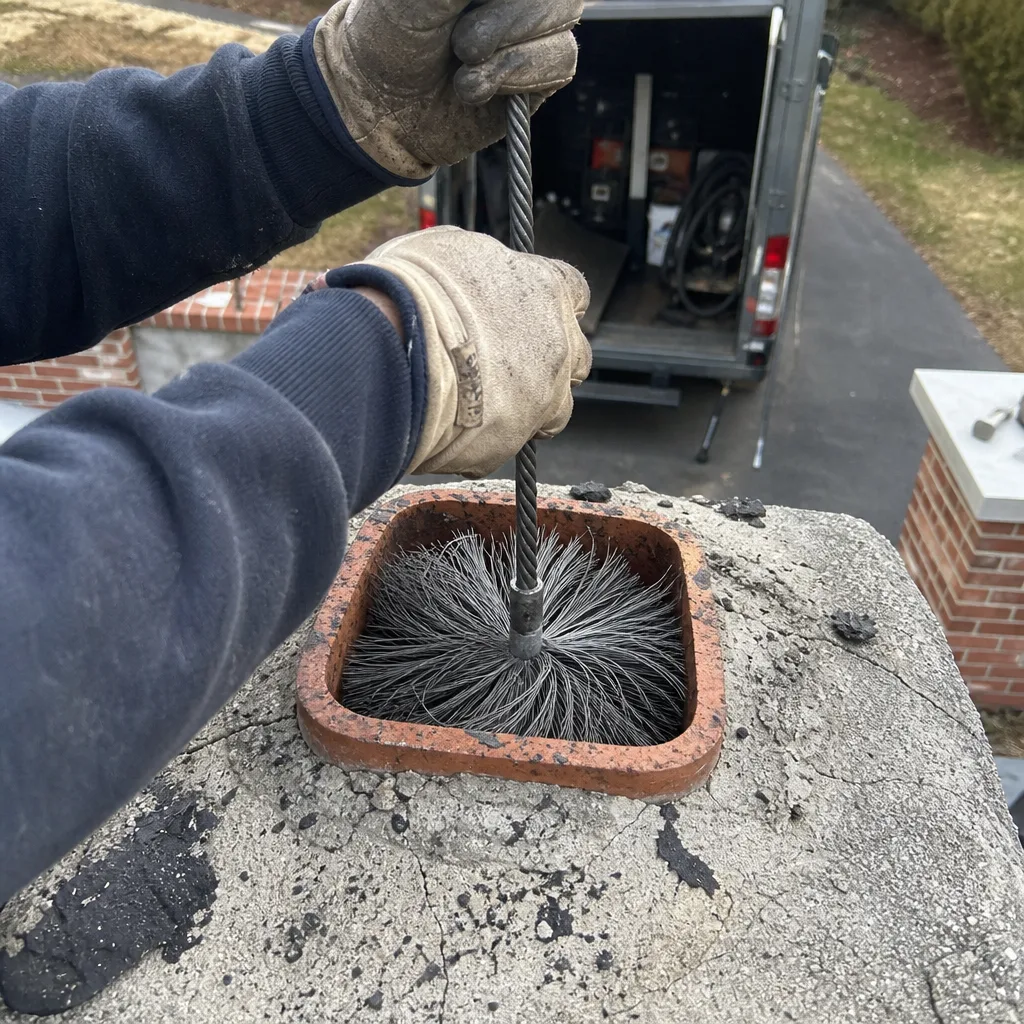
The damper controls draft and prevents heat loss when the fireplace isn’t in use. Most homeowners know to check if it opens and closes. Few know the specific sound that separates a stiff damper from a warped one that’s about to fail completely.
What to Look For
- Full range of motion. The damper should open fully - plate rotated 90 degrees to vertical - and close to a seal that’s tight enough to hold a tissue against the throat when you blow upward. Partial opening, common in older Phoenixville homes with throat dampers that haven’t been serviced, creates a smoking fireplace and poor combustion.
- The warping sound. A stiff damper grinds or scrapes consistently across its travel. A warped damper plate produces an irregular, intermittent scrape or catch - metal on metal at one point, then smooth, then catching again. This means the plate has distorted from heat cycling and is contacting the frame unevenly. It will eventually jam open (heat loss, animal entry) or jam closed (unusable fireplace, smoke backup). We’ve replaced dampers in Phoenixville’s historic district where the plate had warped into a visible curve; the homeowner had noted the “funny noise” for two seasons.
- Seal condition. Top-sealing dampers, common on installations after 2000, use a silicone or rubber gasket. Check for cracking, hardening, or gaps when closed. A failed seal on a top-sealing damper is equivalent to an open throat damper for heat loss purposes.
- Handle or chain operation. The control mechanism should move smoothly without binding. Rusted cables, stripped gears in rotary controls, or broken handles mean the damper can’t be operated reliably in an emergency.
Pass/Fail Thresholds
- Pass: Full motion, consistent sound, tight seal, smooth controls.
- Monitor and note: Stiff operation with consistent grinding, minor gasket wear.
- Schedule repair: Intermittent catching or scraping (warping), failed seal, binding controls, incomplete opening or closing.
Damper replacement is straightforward but requires proper sizing. We document throat dimensions and specify replacement dampers from our materials network; a mismatched damper creates the same problems it was meant to solve.
Seasonal Schedule: When to Check What in Chester County
Chimney maintenance isn’t a single October task. Spreading checks across the year catches problems when they’re cheaper to fix and aligns with how Phoenixville homes actually get used.
Spring (April-May): Post-Season Assessment
- Inspect firebox for winter damage while creosote is fresh and visible
- Check damper operation; humidity from spring rains swells warped plates
- Examine exterior for winter damage: crown cracks, flashing gaps, mortar loss from freeze-thaw
- Schedule sweep if you burned more than 1.5 cords - creosote is easier to remove before it hardens
Summer (June-August): Cap and Exterior Focus
- Check cap mesh for debris after spring seed drop and before summer storms
- Inspect crown and flashing during dry weather for accurate moisture assessment
- Book your sweep and inspection now - September-October availability tightens every year in Phoenixville
Fall (September-October): Pre-Season Verification
- Run through full checklist: firebox, damper, cap, exterior
- Test smoke and CO detectors with fireplace running
- Verify firewood supply is under 20% moisture - we check customer wood with a meter during fall inspections, and “seasoned” claims are often optimistic
Winter (November-March): In-Use Monitoring
- Note any smoke spillage at startup - indicates cold flue or blockage
- Listen for damper noise changes
- Watch for exterior ice buildup at the roofline, which can indicate flashing failure
- Never burn with a known defect; emergency calls in January cost more and fix less
The homeowners who avoid mid-winter failures are the ones who did their serious inspection in spring or summer, when scheduling is flexible and repairs can be completed without urgency pricing.
When Checklist Findings Need a Professional Camera Scan
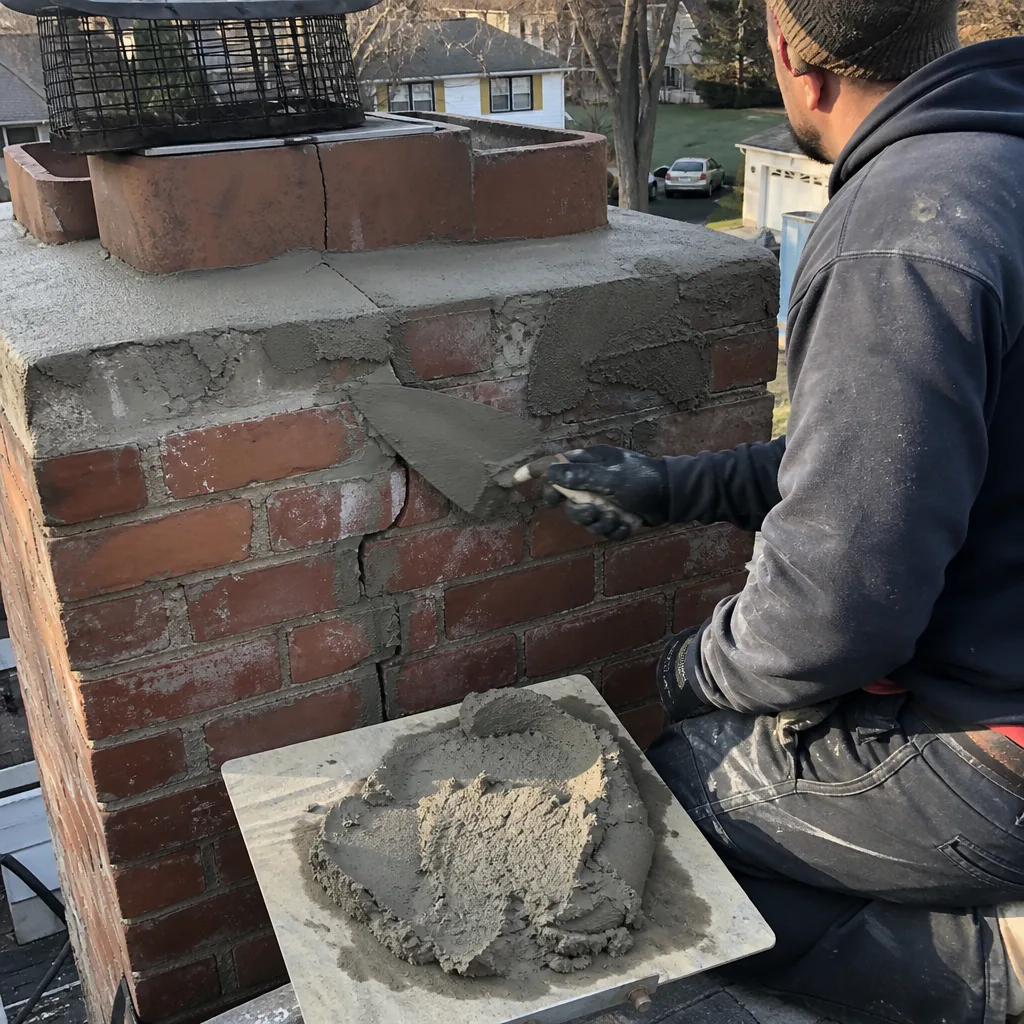
This is the critical decision point. A checklist is only useful if it tells you when to stop and call for the tool you don’t own: a chimney camera that can traverse the flue, document condition, and provide evidence for repair decisions or insurance claims. If you’re unsure whether you’ve reached that point, review our Chimney Cleaning Warning Signs: A Phoenixville Homeowner’s Reference Guide.
Camera Scan Required: These Findings
| Finding | Why It Needs a Camera |
|---|---|
| Class III creosote in firebox | Indicates severe buildup in flue; brush cleaning alone is insufficient |
| Smoke chamber debris over 1/2 inch | Blockage may extend into flue; camera verifies full passage |
| Any through-crack in firebox brick | Cracks likely continue into smoke chamber or flue liner |
| Stage 3 efflorescence with spalling | Water damage extent inside flue is invisible from exterior |
| Crown crack running to edge or settlement | Water intrusion path to flue liner; liner condition must be verified |
| Damper warping (intermittent scrape) | Warping often correlates with smoke chamber or flue damage from overfiring |
| Any smoke spillage during normal use | Indicates blockage, liner failure, or draft imbalance; camera locates the cause |
| Home purchase, sale, or insurance requirement | NFPA 211 Level 2 inspection is standard; camera documentation is Clause 4 of the Haven Standard |
Watch and Note: These Findings
- Stage 1 efflorescence without spalling
- Cosmetic firebox spalling without through-cracks
- Stiff damper with consistent grinding (not intermittent catching)
- Minor mortar recession under 3/8-inch
- Seasonal cap debris that cleans clear
The camera scan is non-destructive and takes 30-45 minutes. It provides dated, documented evidence of flue condition. In Phoenixville’s real estate market, where 2015-2025 home purchases are common in our customer base, this documentation has protected sellers from last-minute repair demands and given buyers negotiating clarity. Chimney Repair in Phoenixville should never be proposed without camera evidence; if a company recommends liner or masonry work without showing you the images, get a second opinion. Ours is free with any written estimate.
Common Mistakes to Avoid
- Using a shop vacuum for firebox cleanup without a HEPA filter. Fine particulate from creosote and soot is carcinogenic. Standard shop vacs blow it through the exhaust. We’ve seen homeowners in Phoenixville’s tighter new construction develop respiratory irritation from this mistake; the particles are too fine for standard filtration.
- Assuming no fireplace use means no inspection needed. Gas fireplaces, especially direct-vent inserts common in Kimberton Meadows builds, still require annual inspection. The venting system degrades, debris blocks terminals, and manufacturer warranties require documented service. “We never use it” is the most expensive sentence in chimney maintenance.
- Judging firewood by appearance. Oak that’s gray on the outside can read 30% moisture inside. We check with a meter during inspections. In Chester County’s humid summers, even properly stored wood absorbs moisture. Buy a $25 moisture meter or ask your supplier for a fresh split reading.
- Ignoring the smoke chamber. The area above the damper and below the flue liner is where most chimney fires start. It’s invisible without a camera and inaccessible for homeowner cleaning. National data shows 60% of chimney fires originate here; it’s why NFPA 211 Level 2 includes smoke chamber inspection as standard.
- Delaying cap replacement for aesthetic matching. A missing cap lets water in immediately. The $200-400 cap replacement prevents the $3,000-8,000 rebuild. We’ve documented this progression repeatedly in Phoenixville’s older neighborhoods where homeowners “meant to get to it.”
- Accepting “it looks fine” from a flashlight inspection. A flashlight from the top or bottom reveals 15% of flue surface at best. Camera scan documentation under Haven Standard Clause 4 is the only method that examines 100% of the flue liner interior. Any company that doesn’t offer this as standard is selling an incomplete inspection.
- Skipping inspection after a chimney fire. Even a small, self-extinguished fire causes liner damage that may not be visible. Thermal shock cracks clay tile liners, and the next fire finds the crack. We’ve found hairline fractures after “minor” fires that the homeowner didn’t report until we asked about unusual smoke patterns.
When to Call a Professional
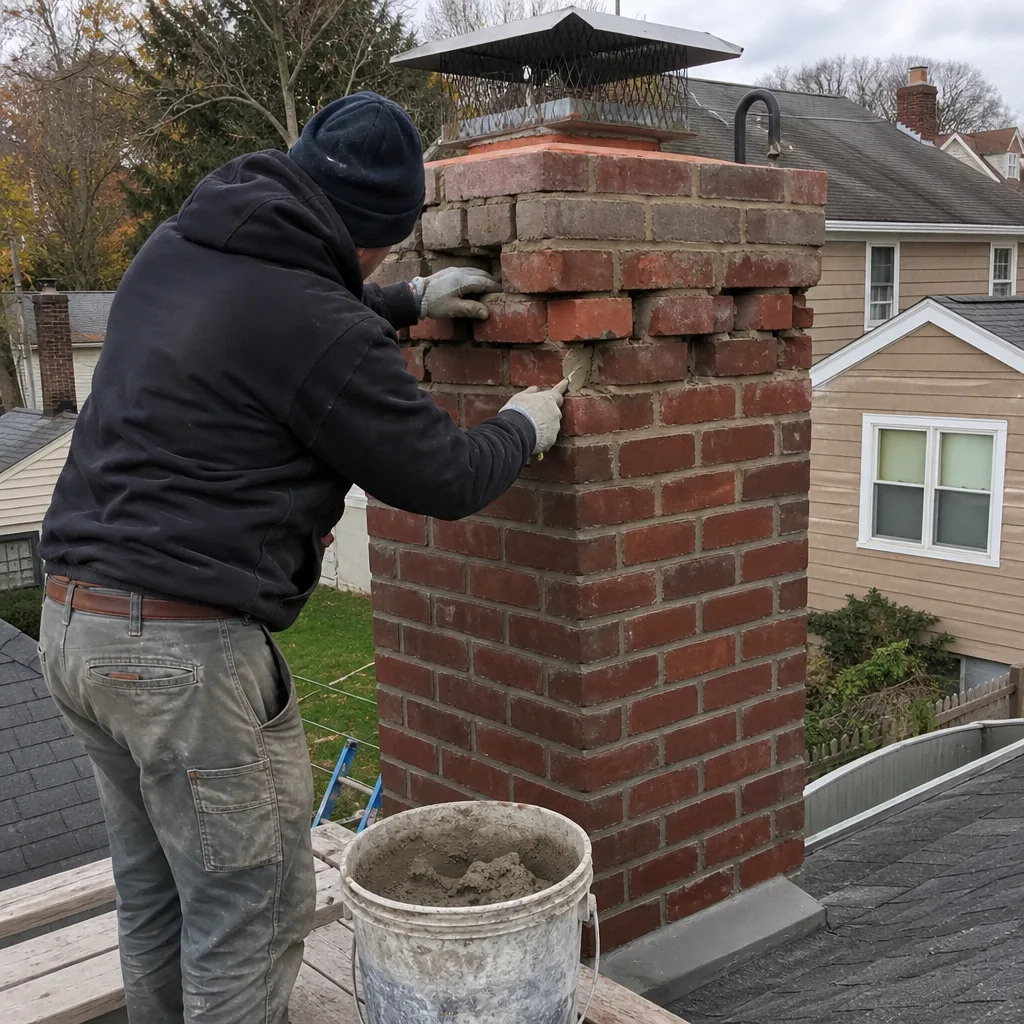
Call when any camera-scan threshold is met, when you smell smoke where it shouldn’t be, or when you’re buying or selling a home and need documented condition. In Phoenixville, where home values in the 19460 zip have appreciated significantly since 2015, pre-listing inspection protects your sale timeline and prevents buyer concessions.
Level Two Chimney Phoenixville offers free estimates with written pricing before any work begins. Every inspection includes NFPA 211 Level 2 camera documentation and a dated photo record under Haven Standard Clause 4. Call (610) 321-5157 to schedule our Chimney Cleaning & Sweep services. Our live phone support runs 24 hours a day, 7 days a week, and you’ll receive a text when your assigned technician is en route.
For fireplace-specific concerns, see our Fireplace Services in Phoenixville page. And for a full overview of our inspection standards, visit our Level Two Chimney Phoenixville home page.
Frequently Asked Questions
A Level 2 chimney sweep and inspection in Phoenixville typically ranges from $250 to $450, depending on flue accessibility, number of appliances vented, and whether chemical treatment for glazed creosote is required. We deliver a written price before any work starts, with no variance once you’re on the schedule. Call (610) 321-5157 for an exact quote - estimates are free.
NFPA 211 recommends annual inspection for all chimneys, and sweeping when creosote buildup exceeds 1/8-inch. In practice, Phoenixville homeowners burning 1-2 cords of seasoned hardwood annually need sweeping every year; those with gas inserts need inspection annually but sweeping only if debris is found. The 1/8-inch threshold is the standard, not the calendar.
A liner replacement should only be recommended with camera documentation you can see for yourself. Under Haven Standard Clause 4, we provide dated photos of any liner defect: cracks, gaps, missing tiles, or deterioration. If a company recommends liner work without showing you images, get our free second opinion on their written estimate. We’ve found that 15-20% of liner replacement recommendations we review are premature or unnecessary.
Three outcomes progress in order of severity: reduced draft and smoking fireplace (annoyance, incomplete combustion), chimney fire from ignited creosote (structural damage, insurance claim, potential house fire), and carbon monoxide intrusion from liner failure or blockage (odorless, lethal). The first is likely within two years of skipped maintenance. The second becomes probable after three to five years of heavy use with unseasoned wood. The third is rare but unforgiving; CO detectors are essential backup, not primary protection.
Firebox debris removal and cap cleaning are safe homeowner tasks. Flue sweeping requires proper brushes, rods, and knowledge of construction type; more importantly, without a camera scan, you cannot verify that the flue is clean or intact. We do not recommend DIY flue sweeping because the risk - undetected liner damage, improper reassembly, or fall from roof - outweighs the cost savings. The 365-Day Done Right Promise applies only to our work; we cannot warranty or inspect homeowner-performed maintenance.
A sweep removes combustible deposits from the flue and firebox. A Level 2 inspection, required by NFPA 211 for property transfers and after chimney fires or seismic events, includes the sweep plus camera examination of the full flue interior, smoke chamber, and accessible portions of the chimney exterior. At Level Two Chimney, every service visit includes both: we don’t clean without inspecting, and we don’t inspect without documenting. The photo record is your dated evidence of condition.
Phoenixville follows the Pennsylvania Uniform Construction Code, which adopts the International Residential Code and NFPA 211 standards. No additional local chimney ordinances exist beyond state requirements. However, Chester County’s older housing stock means many chimneys were built before current liner requirements and may not meet code for modern appliance connections. A Level 2 inspection verifies code compliance for your specific installation; this is particularly relevant for homeowners in pre-1950 homes considering gas insert installation.
The Bottom Line
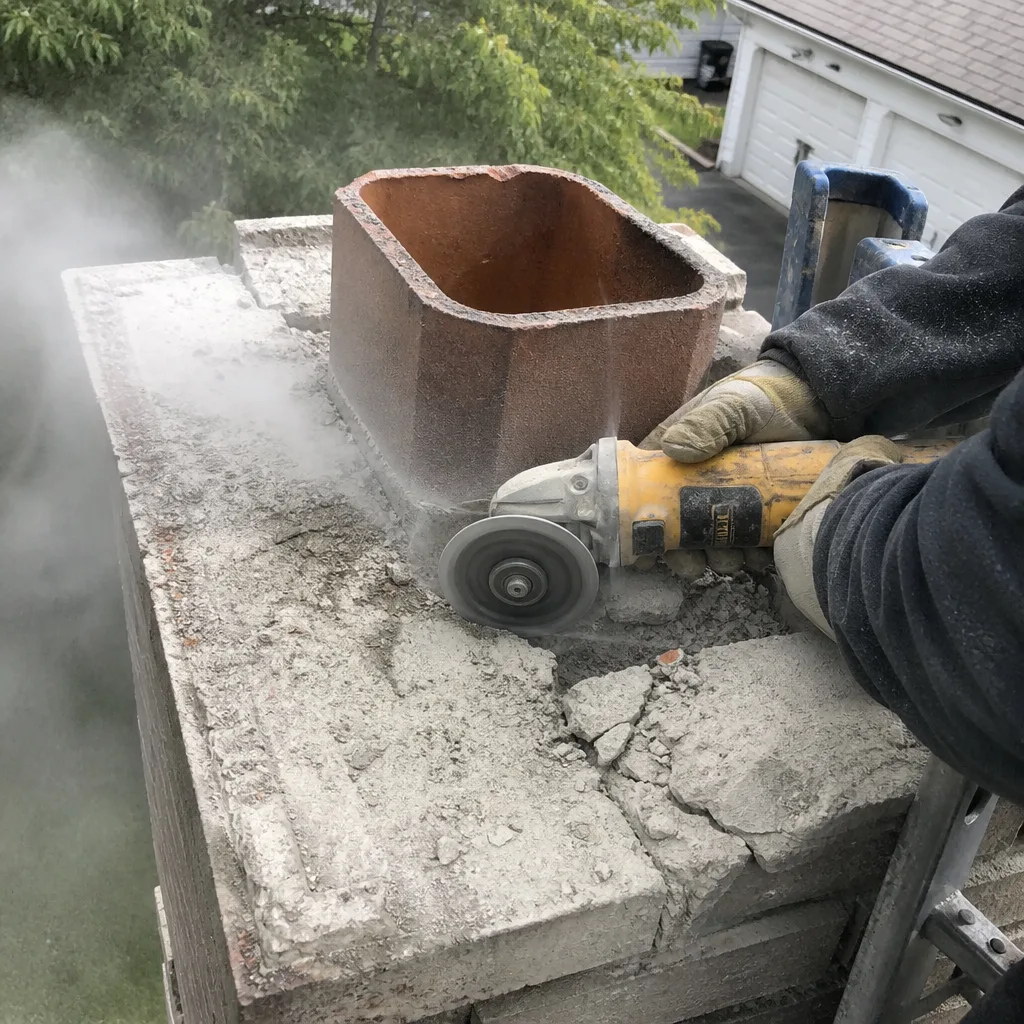
Effective chimney maintenance is twelve specific checks across four zones, done with a flashlight and honest assessment, then acted on with clear thresholds. Most Phoenixville homeowners can complete the firebox, damper, and cap items in under an hour per season. The exterior masonry check takes a ladder and comfort with heights, or a pair of binoculars and a willingness to call us for what you can’t verify. Camera scan documentation is the difference between guessing and knowing; we’ve provided it as standard since 2009 because evidence beats reassurance every time. Schedule your inspection, know your flue’s condition, and burn with confidence. For more guides & resources, visit our blog.
Written by Corrine Halstead, Owner at Level Two Chimney Phoenixville, serving Phoenixville since 2009.