
Last updated September 22, 2026
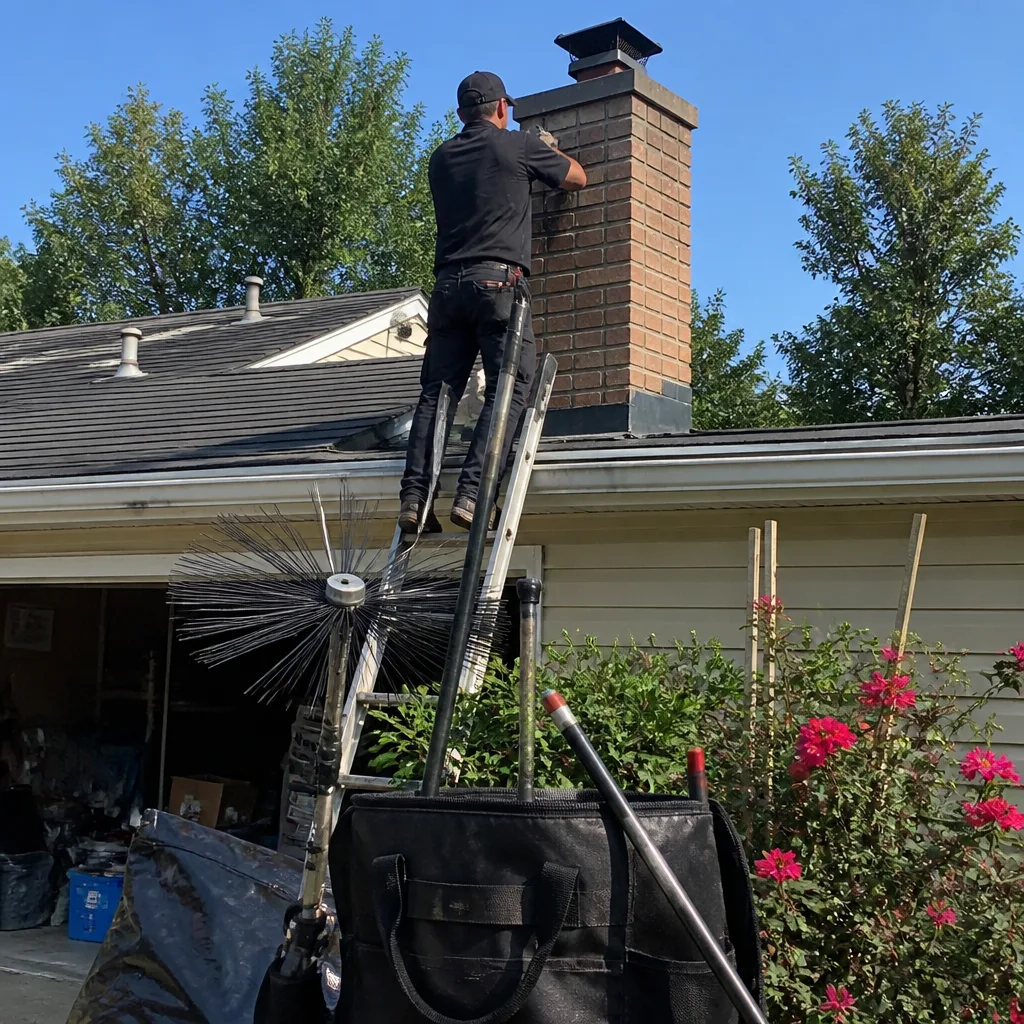
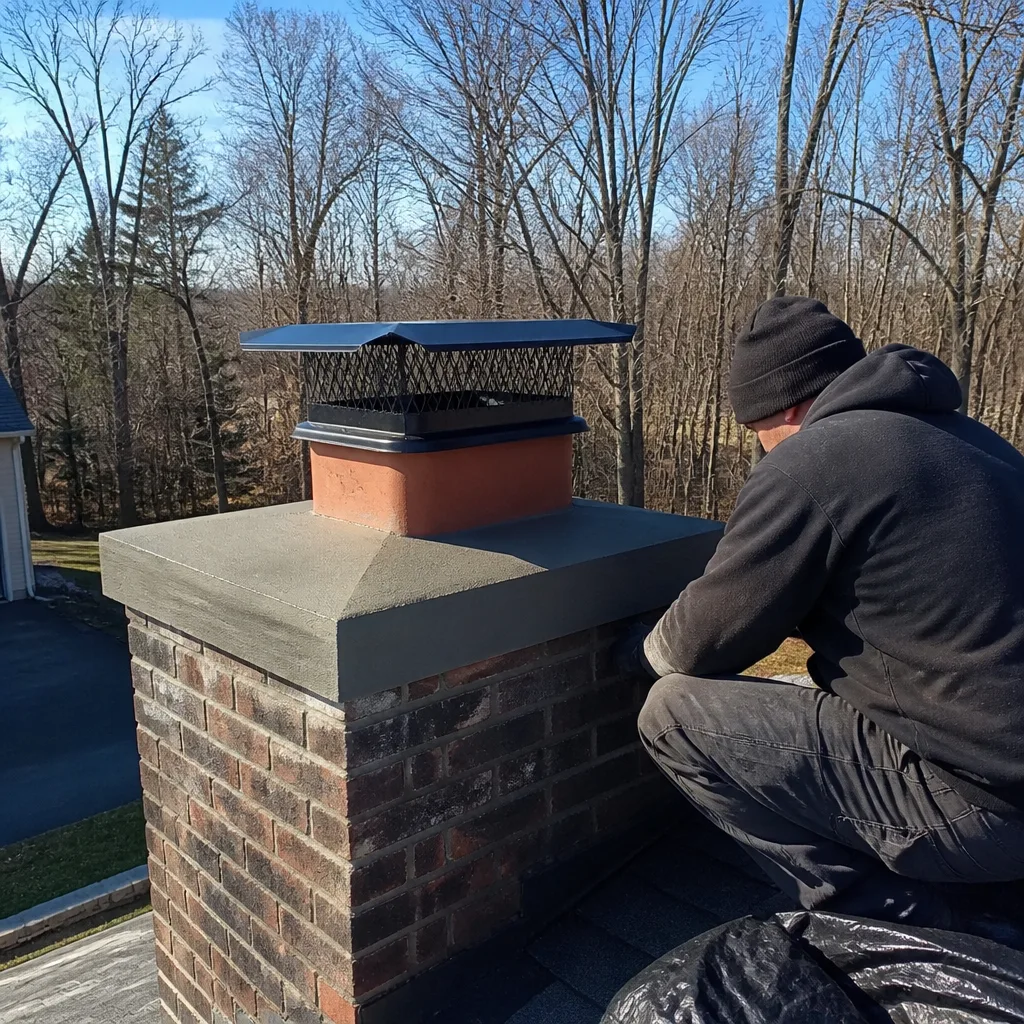
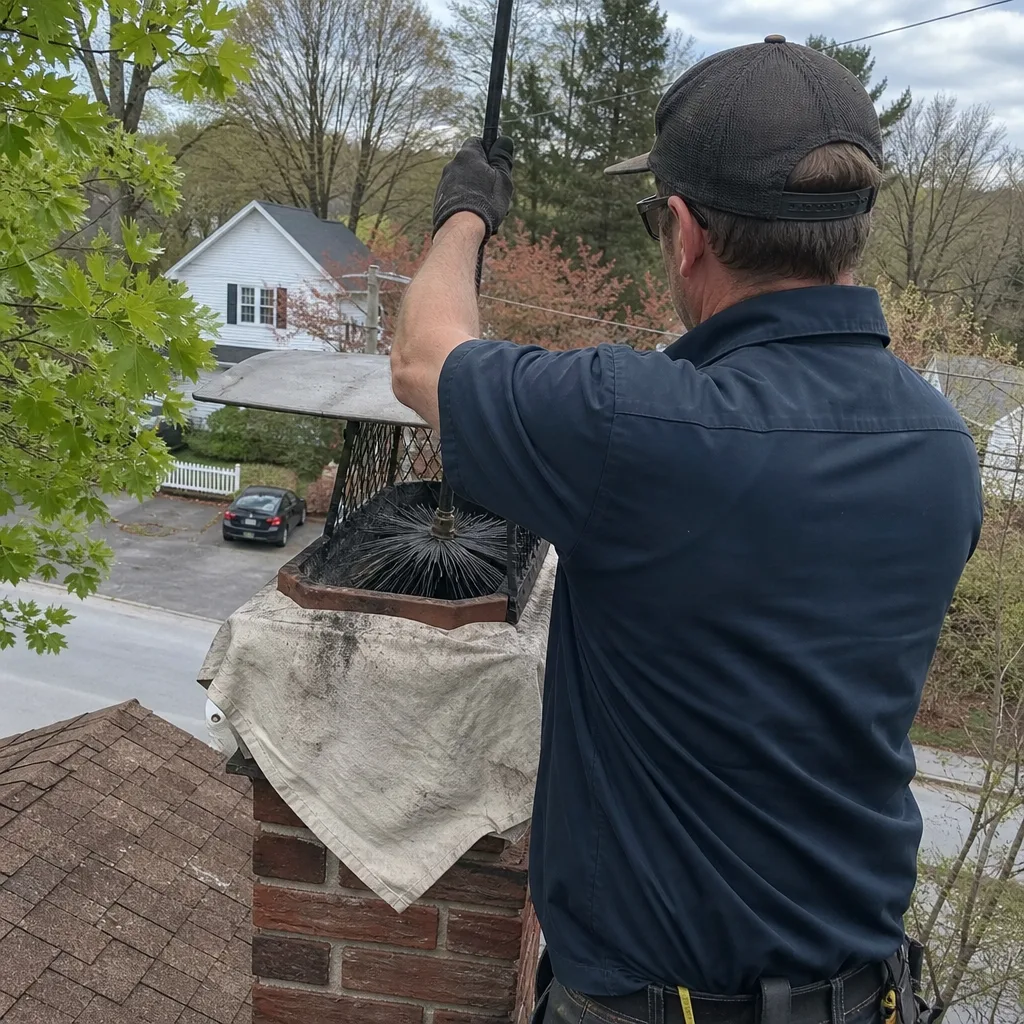
Level 1 sweep and inspection to the NFPA 211 annual standard - flue, crown, cap, and flashing checked and photographed
Chimney sweep logs do not sweep chimneys. They loosen some creosote - which then falls where a brush and vacuum still have to collect it.
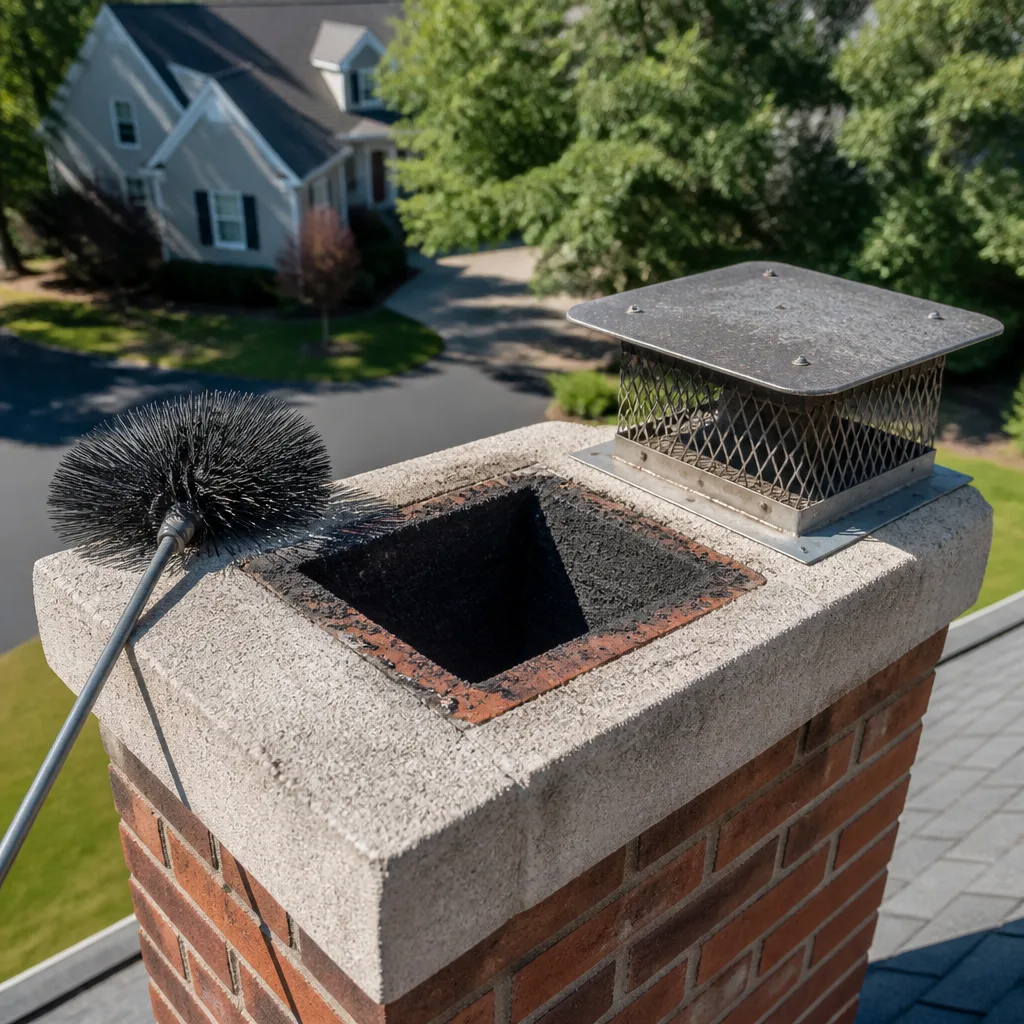
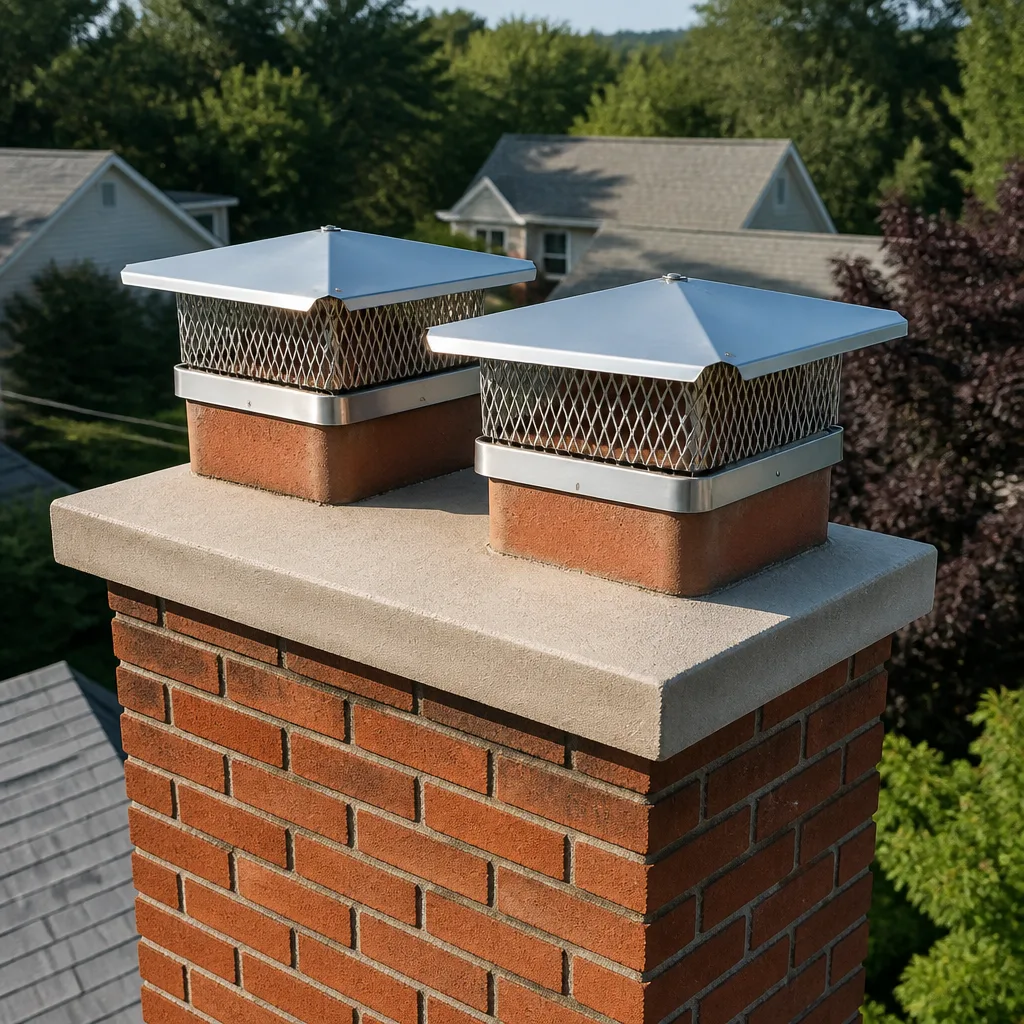
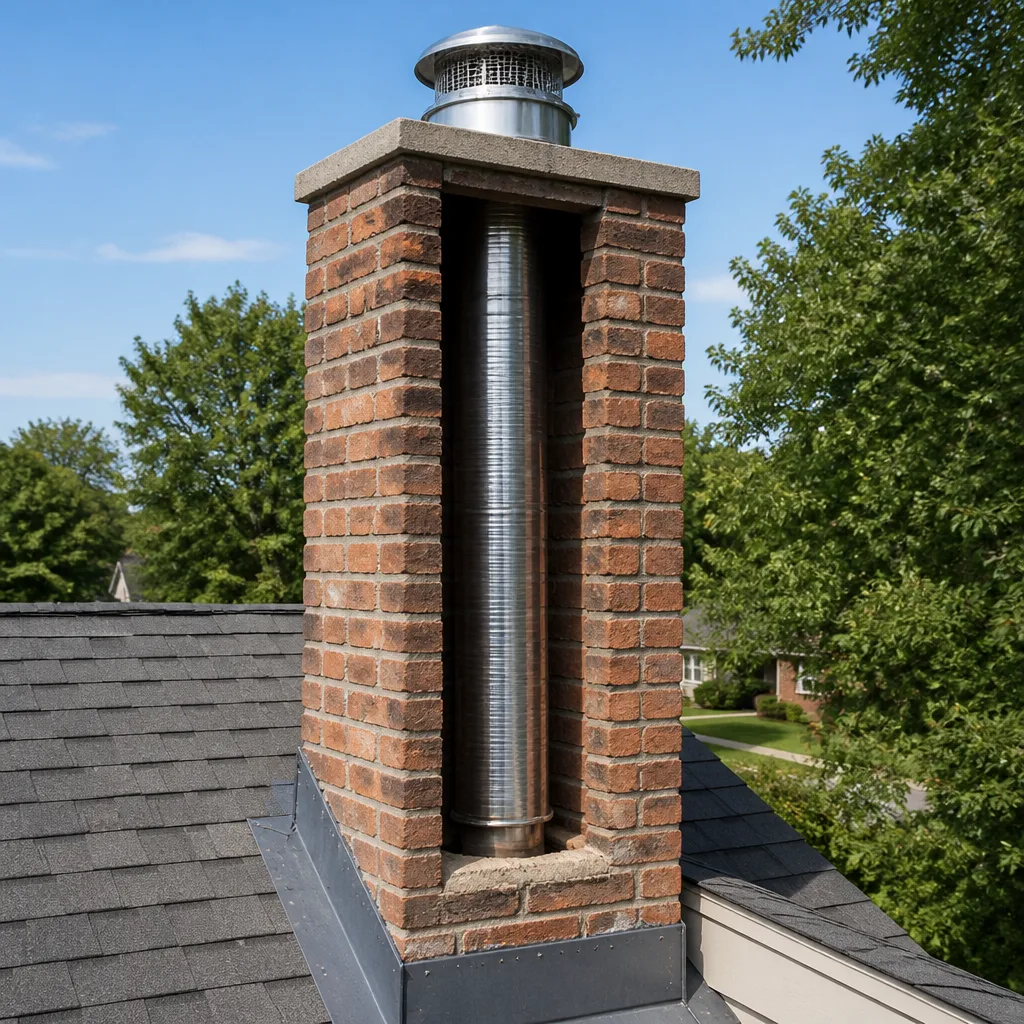
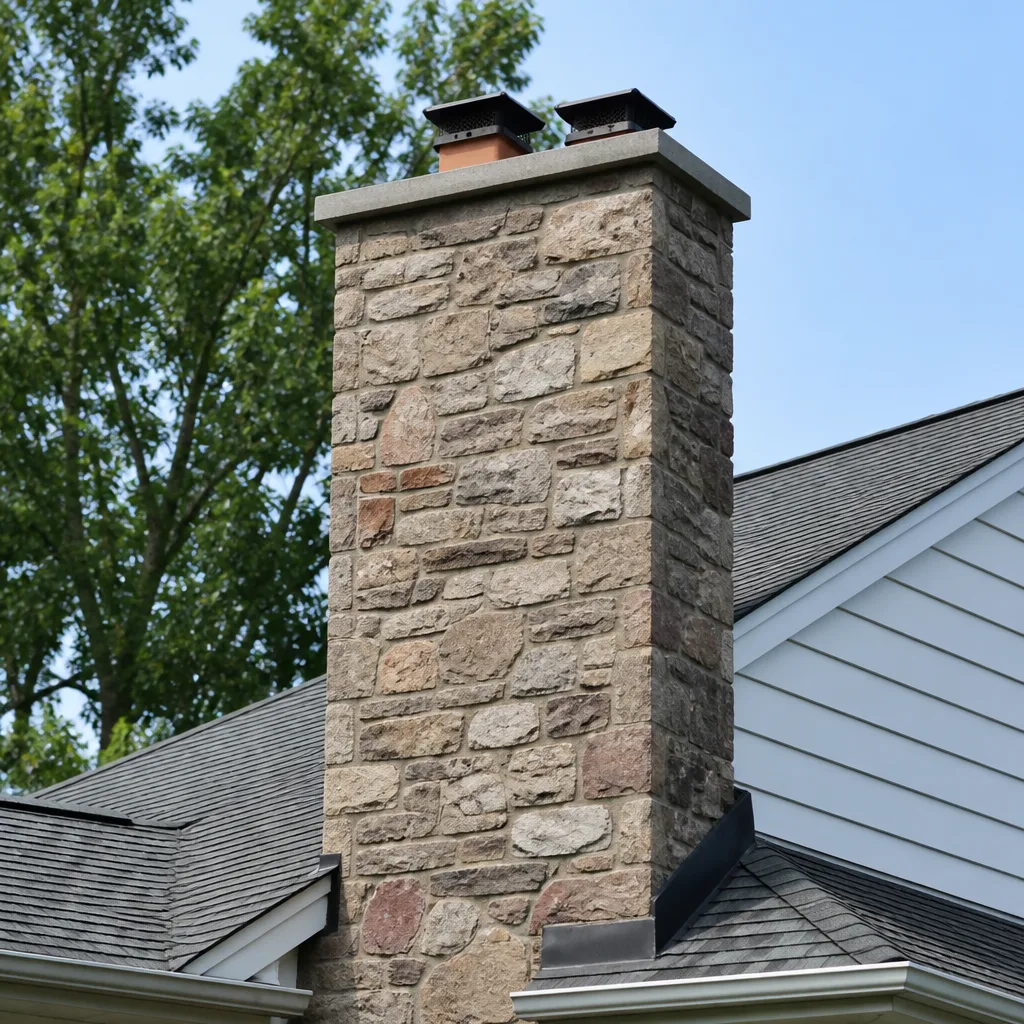
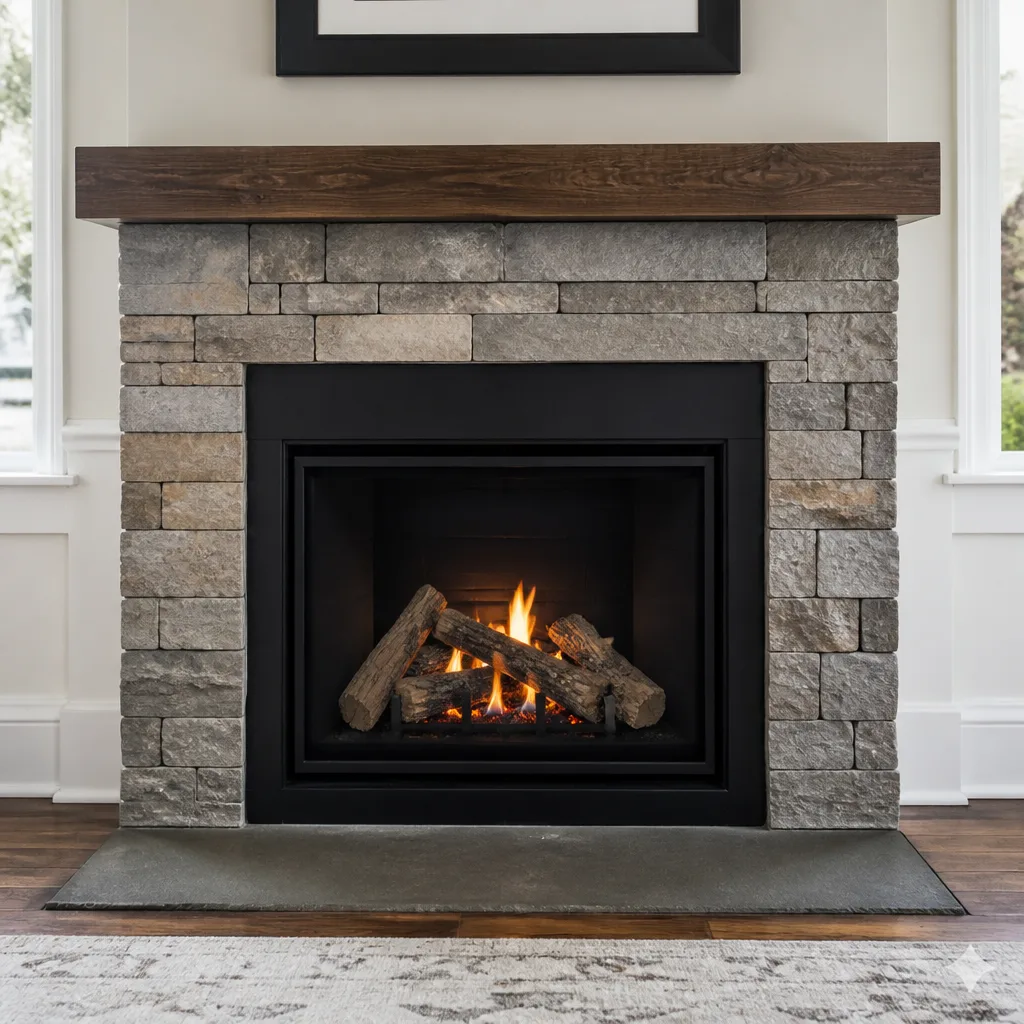
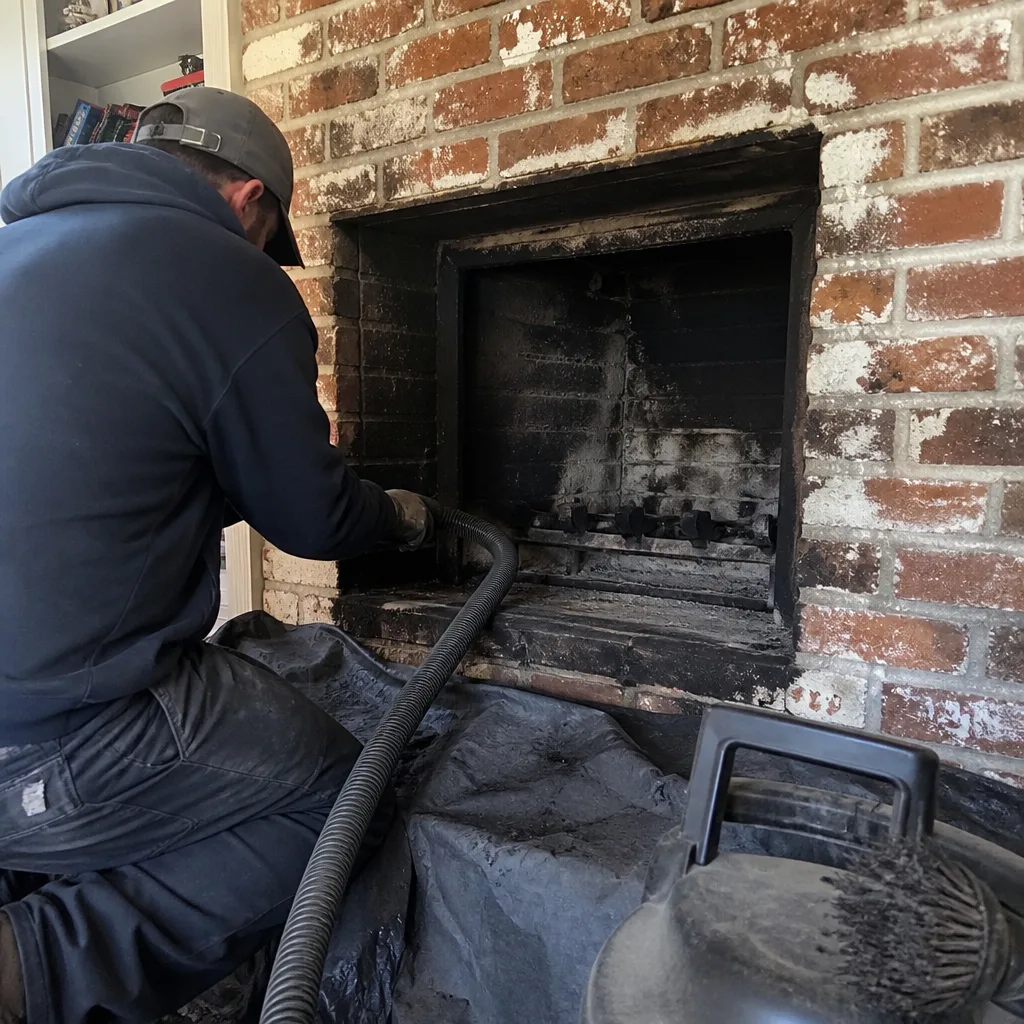 Before
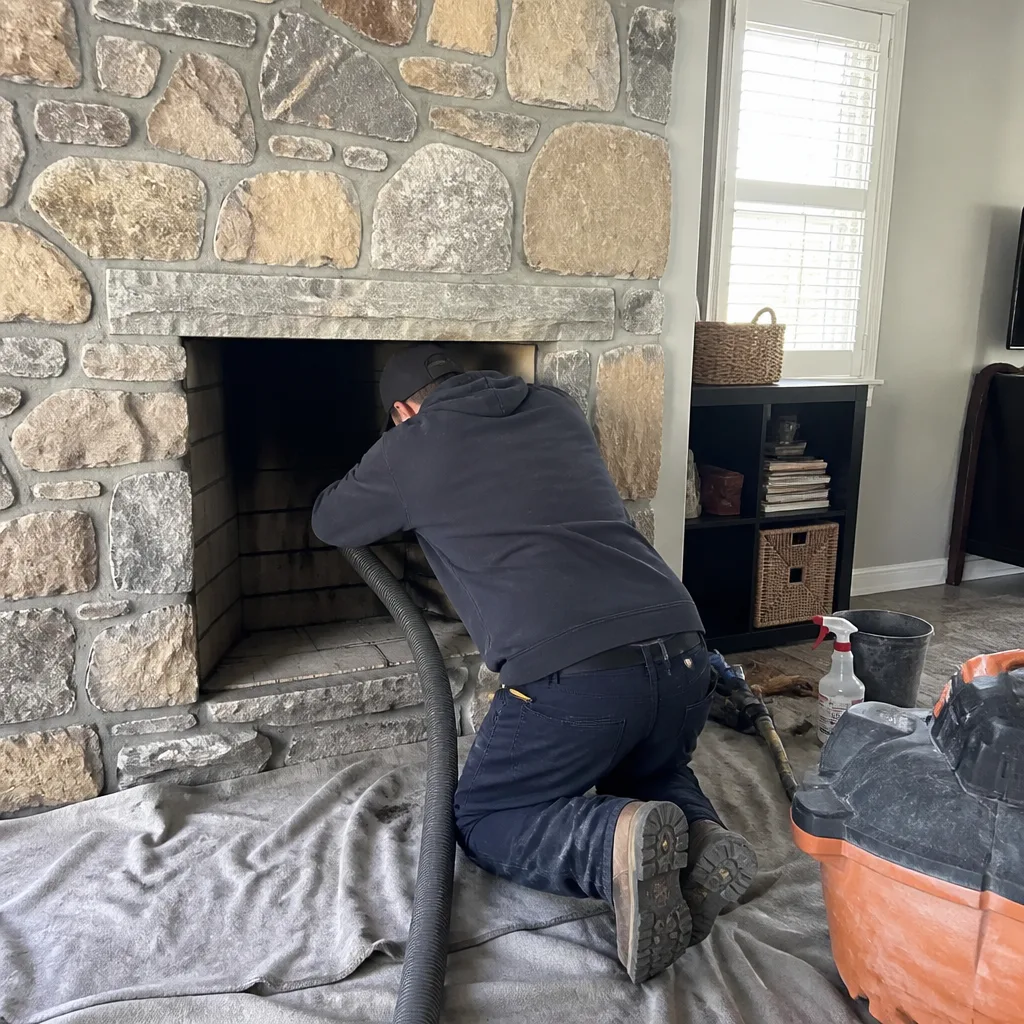 After
After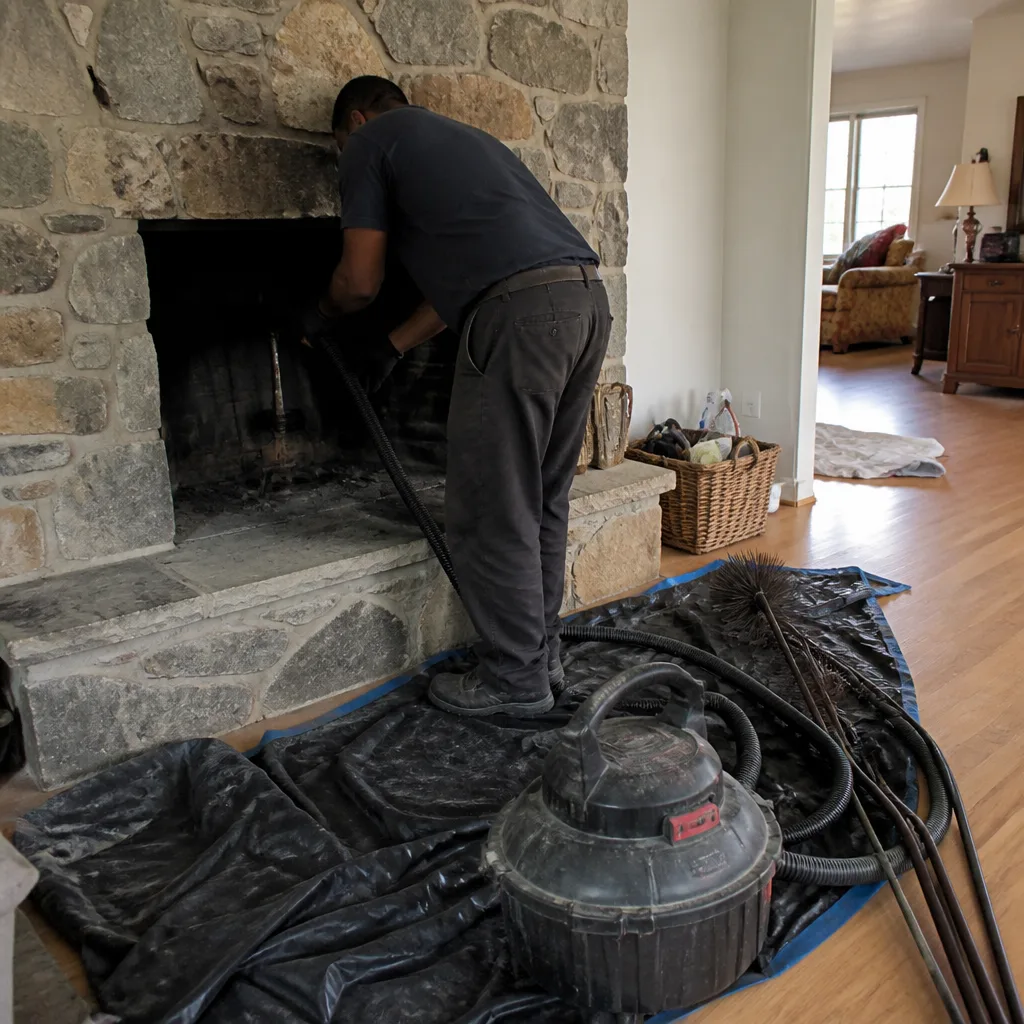 Before
 After
After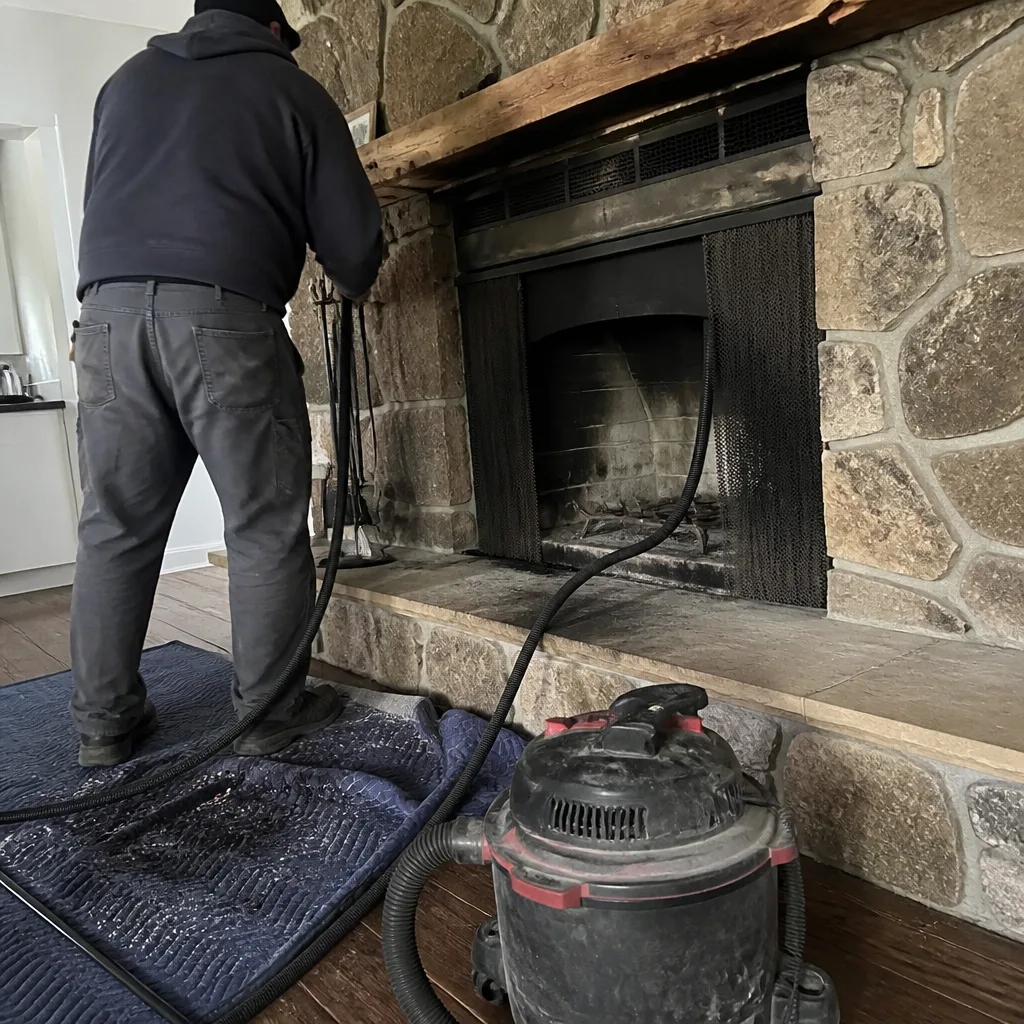 Before
 After
AfterChimney Cleaning Warning Signs: A Phoenixville Homeowner’s Reference Guide
Here’s a number that stops homeowners cold: roughly 22,000 chimney fires occur in the U.S. each year, and most start in systems that were “just swept last season.” In Phoenixville, where the housing stock spans 1890s Victorians near Reeves Park, mid-century brick colonials in Kimberton Woods, and newer builds in Worthington, the warning signs that precede these fires are rarely dramatic. They’re slow, quiet, and easy to explain away as normal aging. A sulfur smell on humid July afternoons. A white haze on the firebox back wall that wipes off with a finger. Rust streaks on the damper plate that look like “just old metal.” This guide maps each symptom to its cause so you can stop guessing and start making documented service decisions, and you can explore more guides & resources for ongoing chimney care.
Quick Answer
The most common chimney warning signs Phoenixville homeowners should watch for fall into four categories: smell-based signals (sulfur, creosote, or organic odors each point to different failures), visual changes inside the firebox (white haze, rust streaks, flaking tile), exterior staining patterns on brick or stone, and smoke behavior anomalies like persistent draft reversal. Most of these indicate conditions that a standard sweep alone will not resolve, as covered in our The Complete Guide to Chimney Cleaning in Phoenixville. Camera documentation of the flue liner, smoke chamber, and crown is required to distinguish a cleaning need from a repair need.
Table of Contents
- Smell-Based Warnings and What Each Type Indicates
- Visual Warning Signs Inside the Firebox
- Exterior Staining Patterns in Phoenixville’s Housing Stock
- Smoke Behavior and the One-Match Draft Test
- How to Document Warning Signs for Your Sweep
- What It Costs to Address Warning Signs in Phoenixville
- Common Mistakes to Avoid
- When to Call a Professional
- Frequently Asked Questions
 Before
 After
AfterSmell-Based Warnings and What Each Type Indicates
Smell is the most reported and most misdiagnosed chimney symptom we encounter in Phoenixville homes. Homeowners call us describing “a fireplace smell” and expect a standard sweep will eliminate it. The reality is that three distinct odors indicate three distinct failure modes, and only one responds to sweeping alone.
Sulfur Odor (Rotten Egg or Burnt Match Smell)
This is the odor that should trigger immediate action. Sulfur compounds form when moisture interacts with soot deposits in a flue with poor draft or a compromised liner. In Phoenixville’s older homes, particularly the masonry structures near Bridge Street and Main Street with original clay flue liners, we’ve seen sulfur odor indicate advanced liner deterioration where gases are condensing in the flue rather than exhausting. The smell intensifies on humid days and when the central air runs, pulling house air past the fireplace opening.
A standard sweep removes the soot but does not fix the liner or the draft problem. Camera inspection is mandatory here. Under Chimney Cleaning & Sweep in Phoenixville, our NFPA 211 Level 2 inspection includes documentation of liner condition that determines whether the issue is cleaning, repair, or liner replacement.
Creosote Odor (Sharp, Tar-Like, Asphalt Smell)
This is the one that sweeping does fix, but with a critical caveat. Creosote odor indicates active buildup, typically Class I or II creosote (sooty or flaky) that a rotary sweep can remove. However, if the odor persists after sweeping, you’re likely smelling Class III creosote, a hardened, glazed deposit that requires chemical treatment or mechanical removal with specialized chains. In Phoenixville, where many homeowners burn seasoned hardwood from Chester County suppliers, Class III buildup is less common than in regions with softer woods, but we see it regularly in systems that were “swept” with a brush-only method that never contacted the flue walls-one reason we published DIY vs Professional Chimney Cleaning: The Phoenixville Homeowner’s Decision Guide.
Organic or Musty Odor
This indicates moisture intrusion and potential biological growth in the flue or smoke chamber. The source is usually a failed crown, deteriorated mortar joints, or a missing or improperly sized chimney cap. In Phoenixville’s climate, with freeze-thaw cycles from late October through April, water enters through small crown cracks, expands when frozen, and widens the breach. The musty smell is often seasonal, strongest in spring after snowmelt and summer humidity.
Organic odor requires camera documentation to locate the water entry point. A sweep without addressing the moisture source invites recurrence. We source crown repair materials from HeatShield and cap hardware from Gelco through our Haven buying network, installed only after photo-documented diagnosis.
Key distinction for your records: Sulfur odor = liner/draft problem (camera required). Creosote odor = buildup (sweep, but verify Class). Organic odor = moisture intrusion (repair, not sweep).
Visual Warning Signs Inside the Firebox
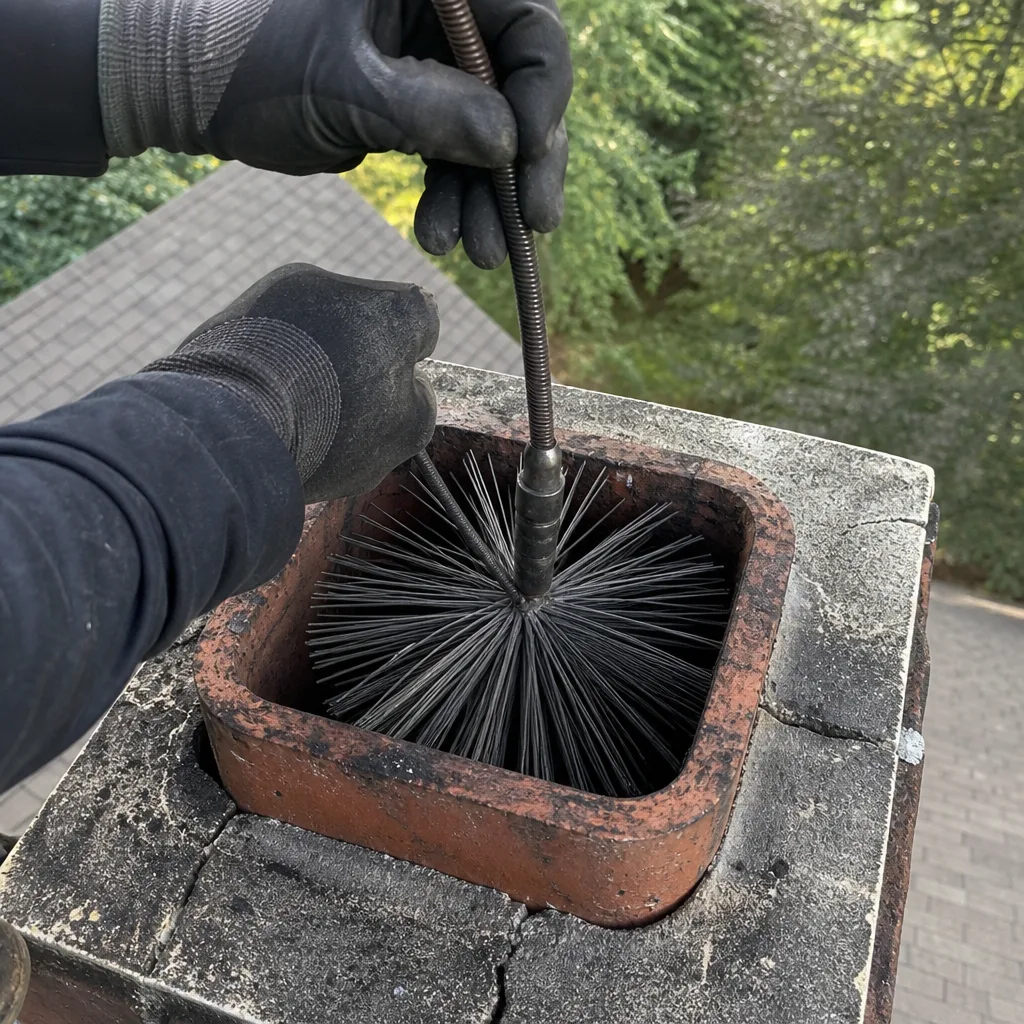
The firebox is where most homeowners look and where few know what to see. Three visual markers, all commonly dismissed, indicate progression toward serious failure.
White Haze on the Firebox Back Wall
That chalky white film that wipes off with a damp finger is efflorescence, mineral salts deposited by migrating moisture. It means water is moving through the masonry from the outside in, carrying dissolved minerals from the mortar and brick. In Phoenixville homes with painted brick exteriors, this moisture often enters through failed pointing or crown cracks and travels down the back wall of the flue. The white haze is early-stage evidence. Left unaddressed, the same moisture cycle causes spalling (surface flaking) of the brick face and eventual structural compromise.
We’ve documented this pattern repeatedly in the 1920s and 1930s homes near Charlestown Township, where original lime mortar has eroded and modern Portland cement repointing has accelerated moisture trapping. A sweep removes surface deposits but does not stop the water. Camera inspection of the flue above the smoke chamber identifies the entry path.
Rust Streaks on the Damper Plate
Rust on the damper plate is not “just old metal.” It is condensation evidence. When warm, moist exhaust gases cool too rapidly in the flue, water vapor condenses on the coldest metal surface, the damper, and corrodes it. This occurs when the flue is oversized for the appliance, when the liner is damaged creating turbulent flow, or when exterior chimney temperatures drop below the dew point of the exhaust. Phoenixville’s winter temperature swings, with single-digit nights and 40-degree days, exacerbate this cycle.
A rusted damper plate can seize partially open, wasting heated air, or partially closed, restricting draft and causing smoke spillage. Replacement is straightforward, but the underlying condensation cause must be identified or the new damper rusts within two seasons. Our inspections include damper operation video and flue temperature readings to diagnose the root condition.
Flaking Tile or Spalling Clay Liner
Clay flue tiles, standard in homes built before 1980, degrade through thermal cycling and moisture exposure. Flaking tile inside the firebox or visible from the hearth opening means the liner is shedding material into the flue, creating obstructions and exposing combustible framing. In Phoenixville’s historic districts, we’ve removed tile fragments that completely blocked the flue throat.
This condition is not sweepable. It is repair-or-replace territory, documented with camera footage showing the full liner length. DuraFlex stainless steel liners and HeatShield cerfractory resurfacing are the two primary repair paths, selected based on liner damage pattern and appliance type. Both are quoted in writing before work begins under Haven Standard Clause 1.
Exterior Staining Patterns in Phoenixville’s Housing Stock
Phoenixville’s architectural variety creates distinct moisture failure signatures. Recognizing which pattern matches your home type saves diagnostic time and prevents misdirected repairs.
Painted Brick: Look for Horizontal Banding
On painted brick chimneys, which are common in the post-war neighborhoods between Nutt Road and Township Line Road, moisture failure shows as horizontal staining bands at the mortar joint level. Paint traps water that would otherwise evaporate through the brick face. When the paint film fails at the joints, water exits in bands, carrying salts that discolor the paint from behind. The pattern looks like “the paint is just old,” but the location at joints reveals the source: failed mortar pointing or crown wash.
We’ve seen homeowners in the Borough spend thousands on exterior repainting while the underlying moisture source continues degrading the structure. The correct sequence is: camera inspection to rule out internal damage, then crown and pointing repair, then repaint with breathable masonry coating.
Raw Stone or Unpainted Brick: Look for Differential Weathering
On raw stone chimneys, found in the 18th and 19th century farmhouses and converted barns in the surrounding townships, moisture failure shows as differential weathering, some stones eroding faster than neighbors, or as dark vertical streaks from specific mortar joints. This indicates localized water entry, often from a failed flashing at the chimney-roof intersection or from a crown that has lost its drip edge.
Stone chimneys require different repair materials than brick. We specify Copperfield flashing components and lime-based mortars matched to the original masonry chemistry, sourced through our Haven network to maintain honest pricing on materials that big-box retailers don’t stock.
Stucco or Synthetic Siding: Bulging or Cracking Near the Chimney
On homes with stucco or synthetic siding, moisture intrusion at the chimney often manifests as bulging, cracking, or delamination of the wall finish near the chimney structure. This indicates that water is migrating from the chimney into the wall cavity, a condition that can progress to structural rot and mold growth before any interior symptom appears.
In newer Phoenixville construction, particularly the 2000s-era developments, we’ve traced this pattern to improper chimney flashing integration with synthetic siding systems. The repair requires both chimney-side and siding-side correction, documented with photos of the wall cavity condition.
Smoke Behavior and the One-Match Draft Test
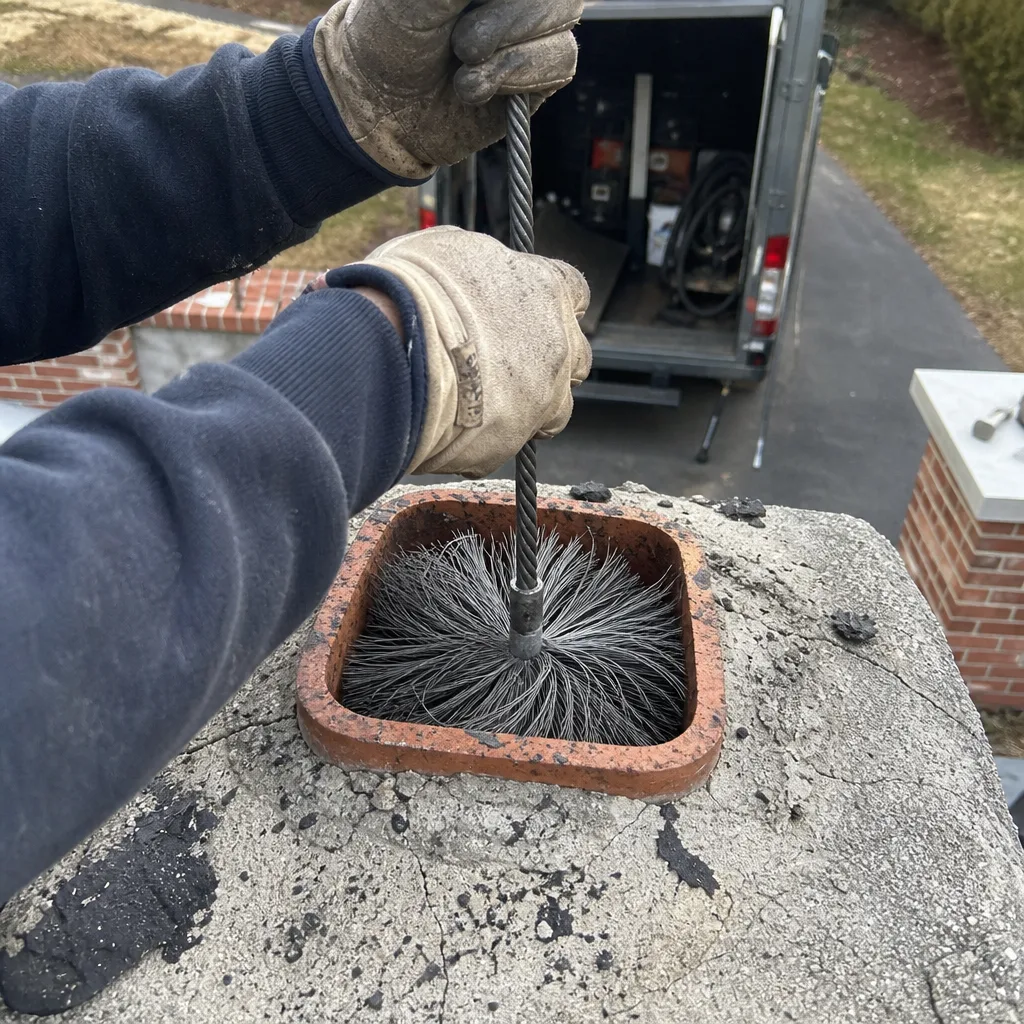
Smoke behavior is the most immediate warning sign, and the most commonly misattributed. Homeowners blame “windy days” or “the house being too tight” for smoke spillage that is actually a structural symptom. The one-match test distinguishes weather events from system failures.
How to Perform the One-Match Draft Test
- Open the damper fully and wait five minutes with the firebox door or screen open to equalize temperatures.
- Light a single wooden match and hold it at the firebox opening, approximately six inches inside the throat.
- Observe the flame direction for 30 seconds.
- A healthy draft pulls the flame toward the flue. A neutral or reversed draft pushes the flame outward or causes it to flicker randomly.
- Repeat on a calm day (winds under 10 mph) and again on a day with typical winter conditions.
Interpretation: If the draft reverses only on high-wind days, the issue is likely a missing or undersized chimney cap, or excessive tree cover creating pressure zones. If the draft is weak or reversed under calm conditions, the cause is structural: flue obstruction, liner damage, improper flue sizing, or negative pressure from mechanical ventilation (kitchen range hoods, bathroom fans, dryer exhaust) competing with the chimney.
In Phoenixville’s tighter new construction, negative pressure is increasingly common. We’ve diagnosed systems where the combined exhaust of a 400 CFM range hood and two bathroom fans creates sufficient negative pressure to overcome a 25-foot chimney draft. The solution is not sweeping; it’s combustion air supply or mechanical draft correction, documented with pressure readings and quoted in writing before any modification.
When Smoke Spillage Is Normal (Briefly)
Minor smoke spillage during fire startup, before the flue warms and establishes draft, is normal and lasts under two minutes. Persistent spillage beyond this window, or spillage when adding fuel to an established fire, is never normal and requires inspection.
How to Document Warning Signs for Your Sweep
The most effective service calls we receive include a brief, documented symptom history. This does not require technical knowledge; it requires observation and timestamps. A documented record transforms a generic “something’s wrong” call into a targeted diagnostic visit.
The Warning Sign Inventory Format
Create a simple log with four columns: Date/Time, Symptom, Conditions, Photo (Y/N). Example entries:
- 10/15, 6:30 PM: Smoke spilled into living room when adding oak log. Damper open. Outdoor temp 34F, calm. Photo: yes.
- 11/3, 2:00 PM: Sulfur odor detected in upstairs hallway, strongest near return air vent. HVAC running. Outdoor temp 58F, humid. Photo: no.
- 11/3, 2:15 PM: White haze visible on firebox back wall, wipes off with damp cloth. Photo: yes.
This format allows us to correlate symptoms with weather patterns, system operation, and time-of-day factors that narrow the diagnostic field. Under Haven Standard Clause 4, we add our own dated photo record to yours, creating a complete documentation chain.
What to Photograph
- Firebox back wall, full width, with flash
- Damper plate from below, showing rust or corrosion pattern
- Exterior chimney, full height, from ground level
- Any staining pattern, close-up and context shot
- Smoke behavior during fire (video if possible)
- Hearth area after suspected spillage event
Photos should include a timestamp and, if possible, a common object for scale (ruler, coin, hand). Send these when booking at Level Two Chimney Phoenixville home and we arrive with preliminary diagnostic focus, reducing time and uncertainty on site.
What It Costs to Address Warning Signs in Phoenixville
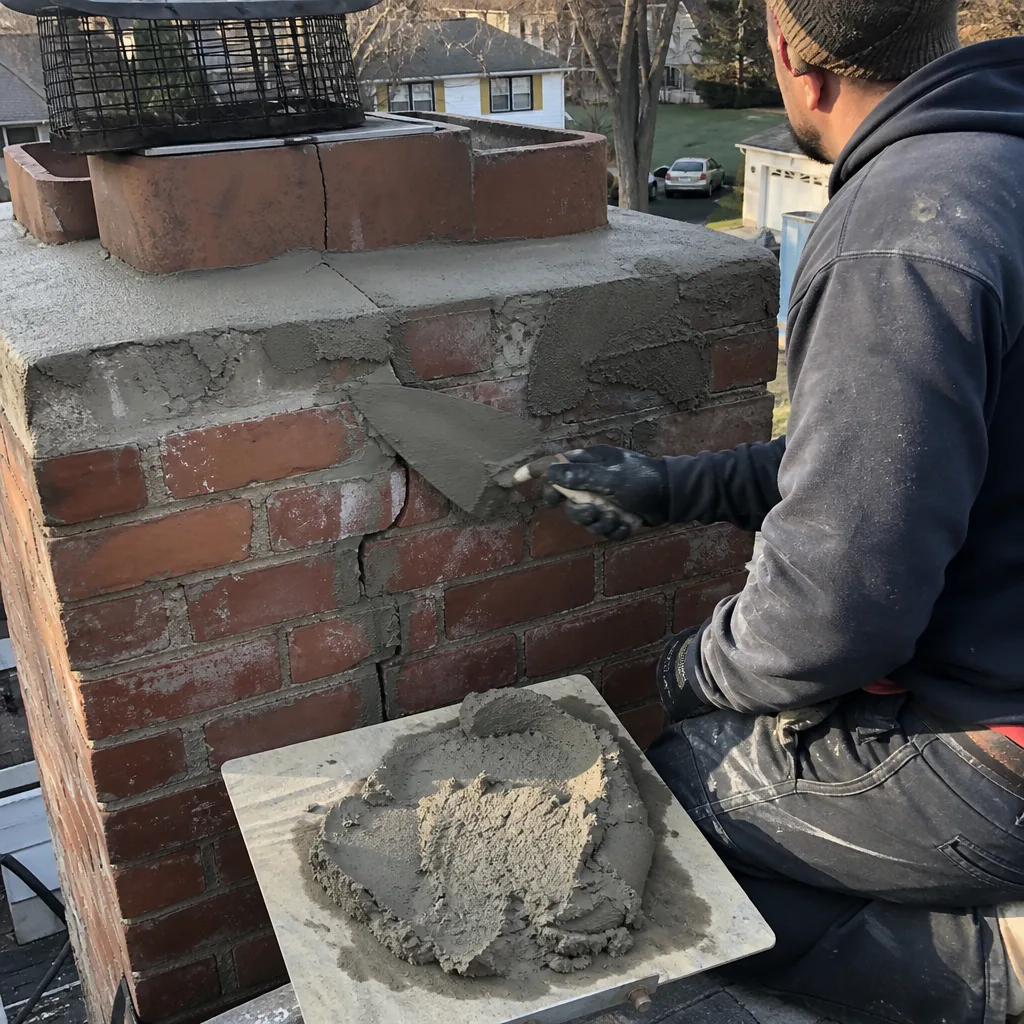
Cost transparency is central to how we operate. Every price below reflects Phoenixville-area market conditions for 2024-2025 and is quoted in writing before work begins, with no exceptions.
| Service | Typical Range | What Determines Price |
|---|---|---|
| NFPA 211 Level 2 Inspection with Camera | $275 - $425 | Chimney height, accessibility, number of flues |
| Standard Chimney Sweep (Class I/II Creosote) | $225 - $325 | Flue length, appliance type, accessibility |
| Class III Creosote Removal (Glazed) | $450 - $750 | Extent of glazing, chemical treatment cycles needed |
| Crown Repair (HeatShield or similar) | $650 - $1,400 | Crown size, damage extent, accessibility |
| Stainless Steel Liner Installation (DuraFlex) | $2,800 - $5,500 | Flue length, diameter, appliance type, connection complexity |
| Smoke Chamber Parging | $1,200 - $2,400 | Chamber size, access, material specification |
| Damper Replacement | $450 - $950 | Type (throat vs. top-mount), size, control mechanism |
These ranges are current for Phoenixville and surrounding Chester County markets. We do not charge for the estimate, and our Free Second Opinion on any written competitor quote applies to all repair recommendations. If another company has provided a written scope and price, bring it to us for comparison under the same documentation standards.
The 365-Day Done Right Promise applies to all work: if it’s not done right, we make it right, with the correction documented under the same Clause 4 photo record as the original job.
Common Mistakes to Avoid
- Treating odor with air fresheners or chimney deodorants. These mask symptoms while the underlying condition progresses. We’ve inspected Phoenixville flues where deodorant crystals masked sulfur odor for two seasons while liner deterioration advanced to the point of requiring full replacement.
- Assuming a sweep fixes all problems. A sweep removes combustible deposits. It does not repair liners, correct draft, or stop water intrusion. The NFPA 211 Level 2 inspection determines which services are actually needed.
- Ignoring seasonal patterns. Symptoms that appear only in specific conditions (humid July afternoons, first cold snap in October, during heavy rain) are diagnostic gold. Dismissing them as “random” loses critical information.
- Hiring based on lowest sweep price alone. Brush-only sweeping without camera inspection cannot detect Class III creosote, liner damage, or crown deterioration. The $99 sweep that misses a $4,000 liner repair need is not a savings.
- Delaying until “burning season.” In Phoenixville, chimney professionals are fully scheduled from October through January. Booking inspection in spring or summer allows time for repairs before the first fire, and often at better availability.
- Accepting verbal estimates. Haven Standard Clause 1 requires written price, written scope, and written warranty before work starts. Verbal quotes create disputes and enable scope expansion after arrival.
- Neglecting exterior inspection. Interior symptoms often originate from exterior failures. A complete diagnostic includes crown, flashing, and masonry evaluation from the roof or ladder, photo-documented.
When to Call a Professional
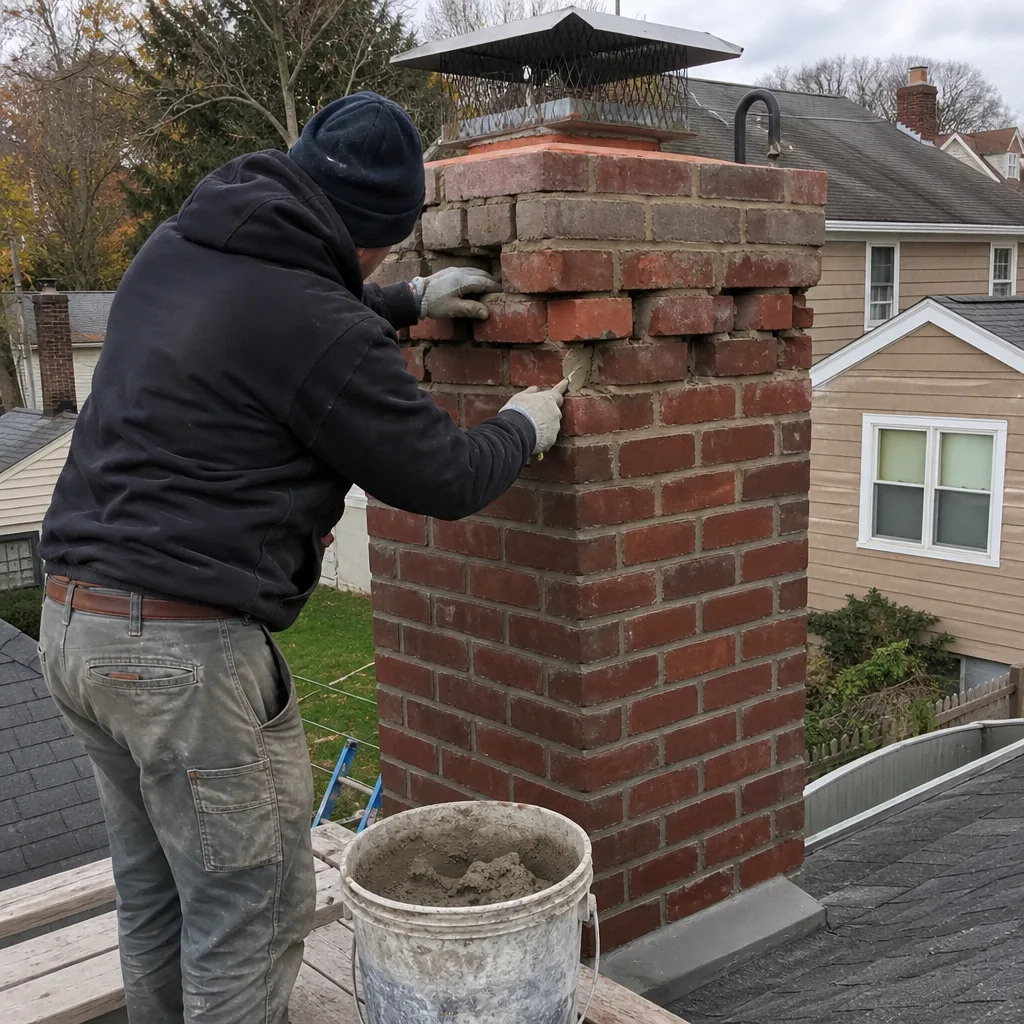
Call for inspection when any warning sign persists beyond a single occurrence, when multiple symptoms appear simultaneously, or when you cannot confidently identify the odor type or stain source. Specific triggers: sulfur odor at any time, visible tile fragments in the firebox or hearth, smoke spillage beyond two minutes of fire startup, or exterior staining that changes pattern or expands.
Level Two Chimney Phoenixville offers free estimates in Phoenixville. Call (610) 321-5157 to schedule an NFPA 211 Level 2 inspection with camera documentation. Live phone support is available 24 hours a day, 7 days a week. You’ll receive a text when your technician is en route, with name, photo, and license verification. The written price, scope, and warranty arrive before any work begins.
Frequently Asked Questions
An NFPA 211 Level 2 inspection with camera documentation typically runs $275 to $425 in the Phoenixville market, depending on chimney height, accessibility, and number of flues. This includes a complete photo record delivered on completion. Call (610) 321-5157 for an exact quote - estimates are free.
You need a new liner only if camera inspection documents damage that compromises safety: cracked or missing clay tiles, gaps between tile sections, or corrosion holes in a metal liner. A sweep removes deposits but does not repair structural liner damage. We provide the camera footage and explain what we found before recommending any repair. Call (610) 321-5157 for a Free Second Opinion on any written liner replacement quote.
The NFPA recommends annual inspection for all chimney systems, with sweeping frequency determined by deposit accumulation, not calendar time. Most Phoenixville homeowners burning seasoned hardwood 2-3 times weekly require sweeping every 1-2 years. Systems with gas inserts or pellet stoves have different schedules based on manufacturer specification and venting configuration. Annual inspection with camera documentation determines actual need rather than assuming it.
Skipped maintenance allows creosote accumulation to progress from Class I (sooty, easily removed) to Class III (glazed, hardened, requires specialized removal). Simultaneously, moisture intrusion degrades liners, crowns, and masonry without visible interior symptoms until failure occurs. The result is typically a mid-winter service call at premium rates, with a blocked or unsafe flue and repair costs that exceed years of preventive inspection expense. In Phoenixville’s competitive real estate market, undocumented chimney condition also complicates home sales.
Summer humidity reactivates creosote and soot deposits, and warm outdoor temperatures reduce natural draft, allowing odors to settle in the flue rather than exhausting. In Phoenixville’s humid July and August conditions, this is common. However, persistent sulfur or organic odors indicate liner or moisture problems that require camera inspection, not just seasonal explanation. A standard sweep may reduce creosote odor but will not address the other causes.
A flashlight inspection from below can reveal obvious obstructions or large debris, but it cannot evaluate liner condition above the smoke chamber, crown integrity, or creosote class throughout the flue length. The NFPA 211 Level 2 inspection requires camera documentation of the full flue interior. We’ve found critical damage in flue sections invisible from below in homes where homeowners reported “it looked fine with a flashlight.” For safety-critical components, professional camera inspection is the appropriate standard.
The Bottom Line
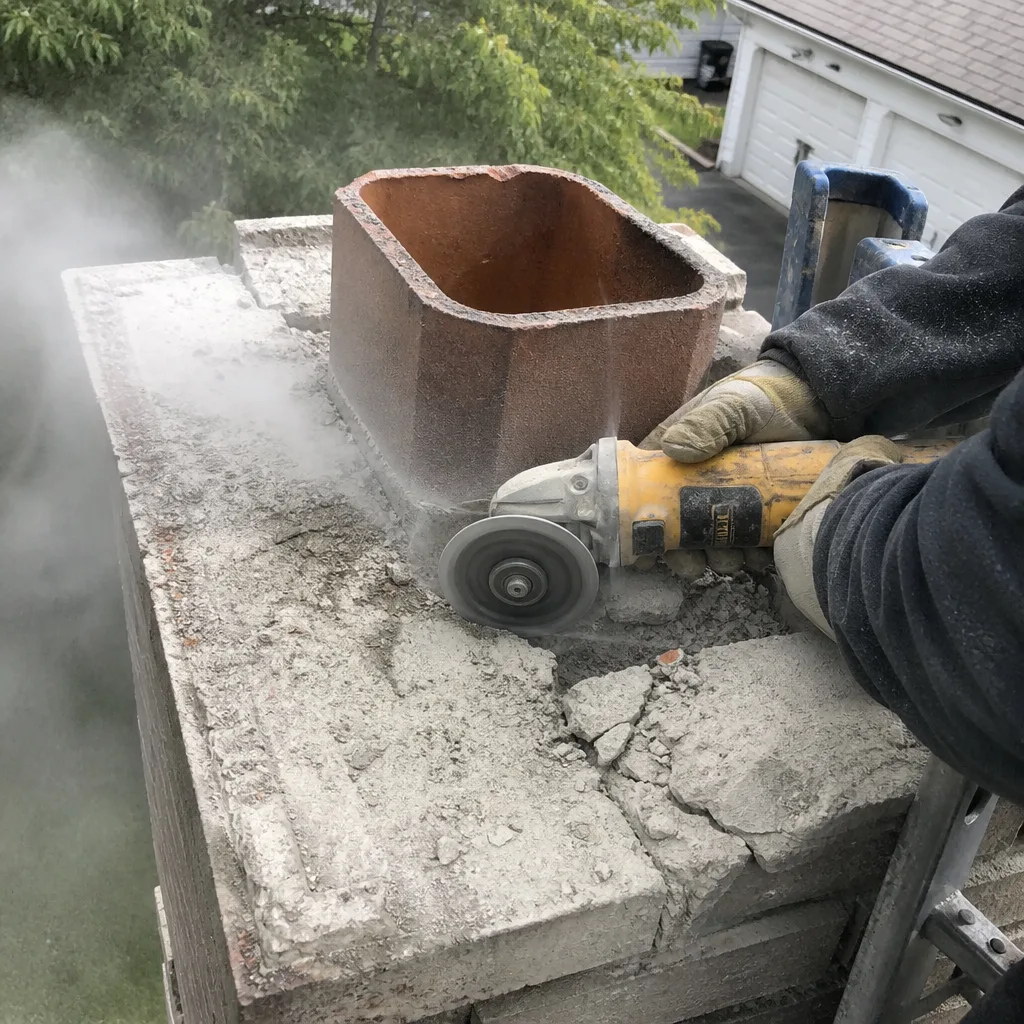
Chimney warning signs in Phoenixville homes are rarely dramatic, but they are specific. Sulfur odor points to liner or draft failure. White haze on the firebox back wall signals moisture migration. Rust on the damper plate indicates condensation that will destroy the replacement if uncorrected. Exterior staining patterns differ between painted brick and raw stone, directing repair strategy. Smoke behavior, tested with the one-match method, separates weather effects from structural problems. Documenting what you observe, when, and under what conditions transforms a vague concern into a diagnostic path. The correct response to most warning signs is not a sweep alone but an NFPA 211 Level 2 inspection with camera documentation, written price, and written scope before any work begins.
Written by Corrine Halstead, Owner at Level Two Chimney Phoenixville, serving Phoenixville since 2009.