
Last updated September 22, 2026
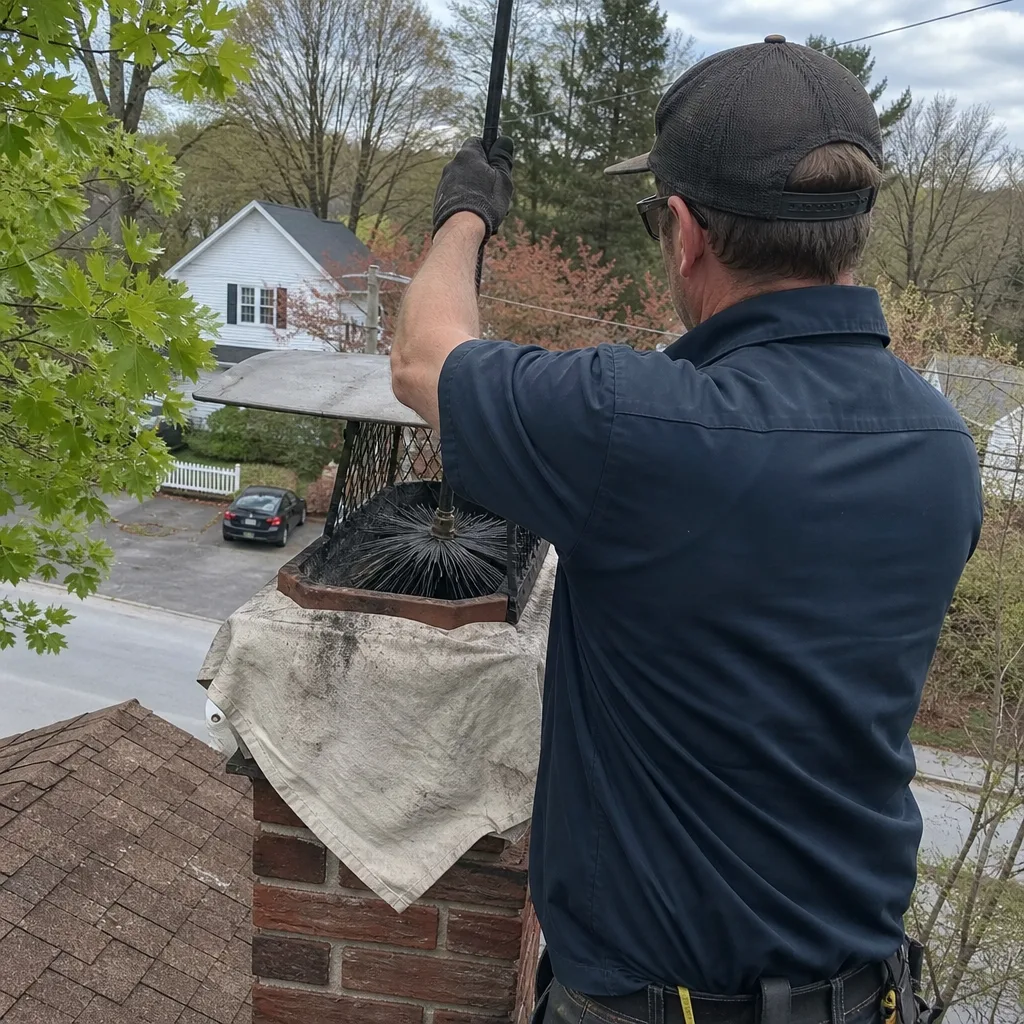
Level 1 sweep and inspection to the NFPA 211 annual standard - flue, crown, cap, and flashing checked and photographed
Chimney sweep logs do not sweep chimneys. They loosen some creosote - which then falls where a brush and vacuum still have to collect it.
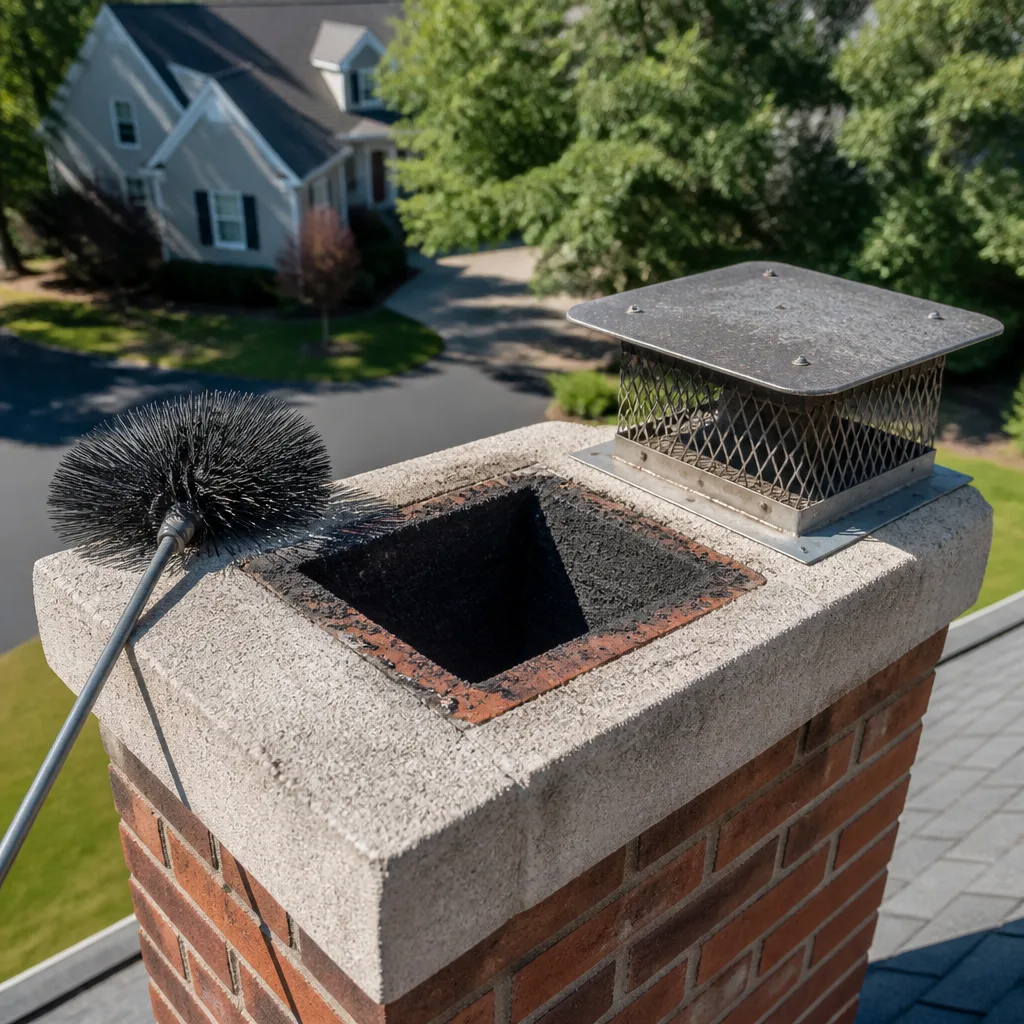
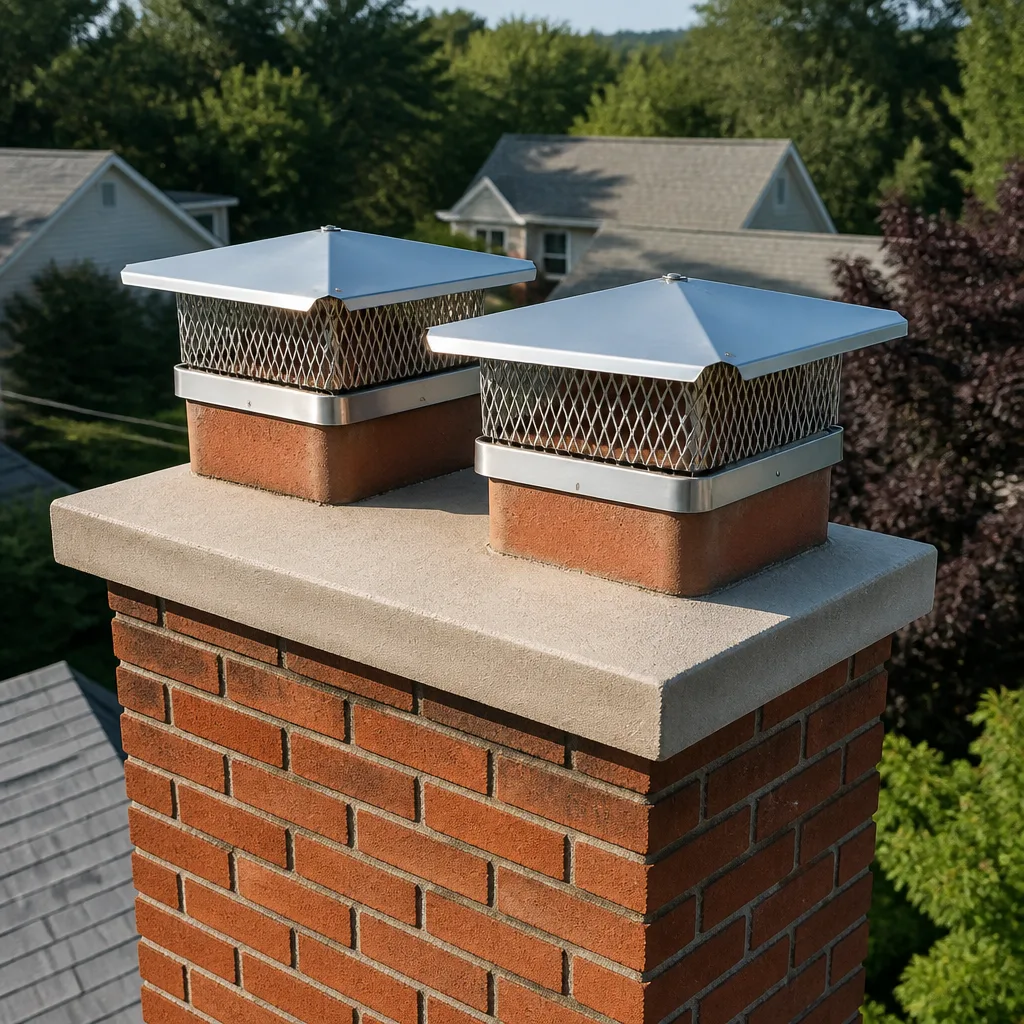
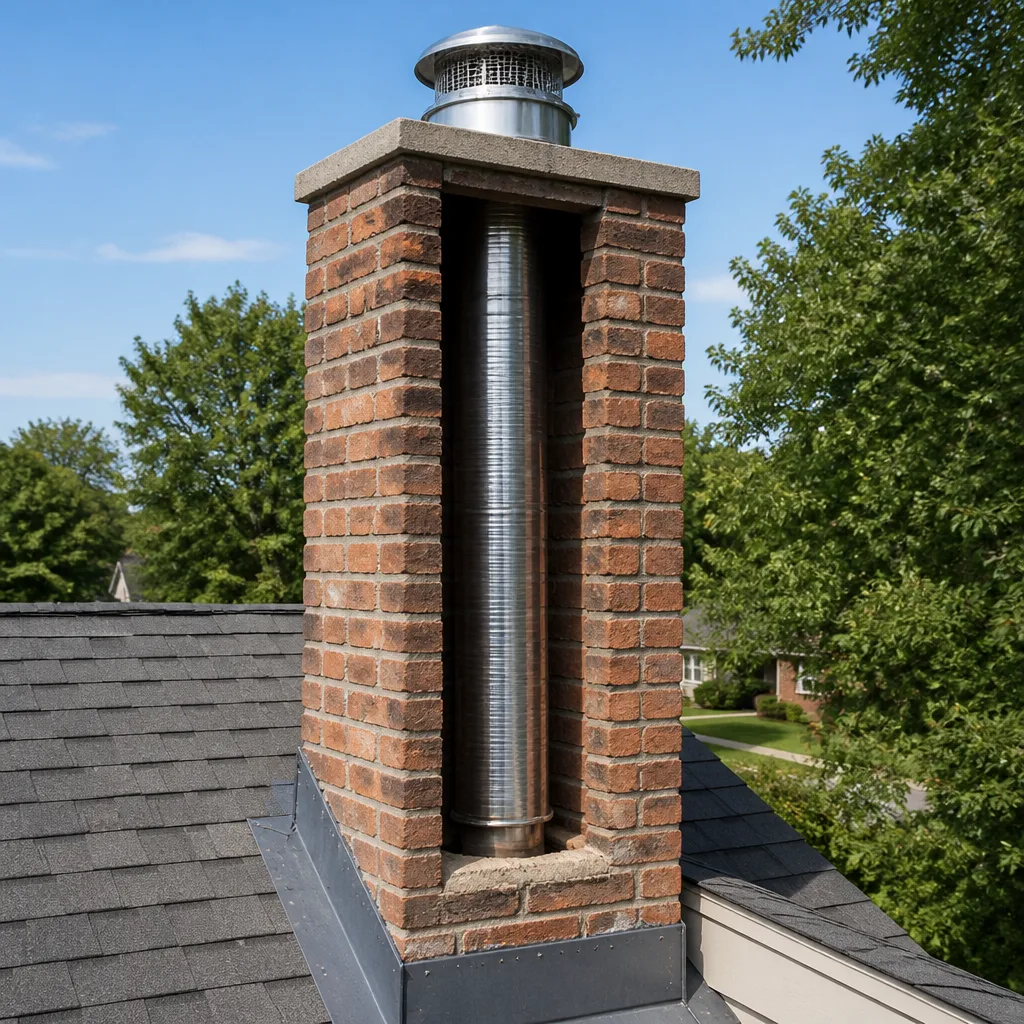
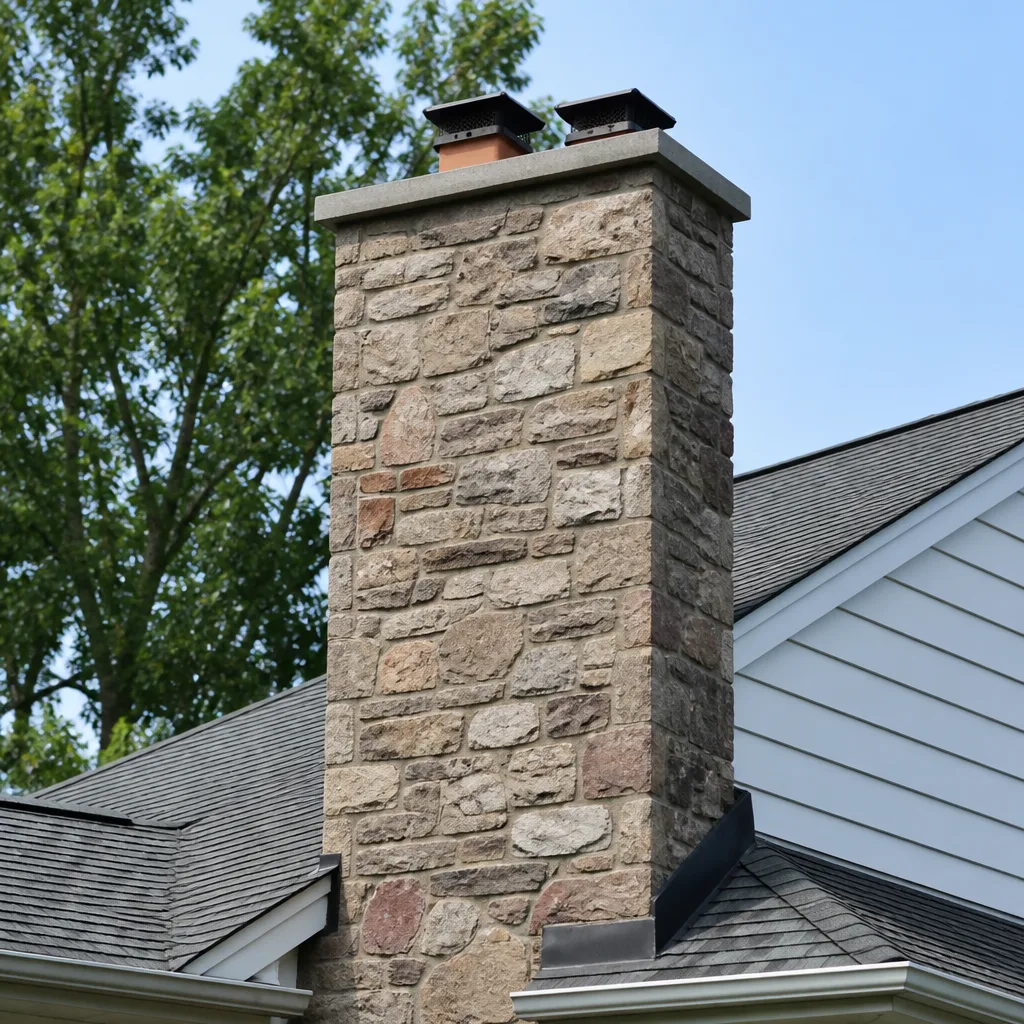
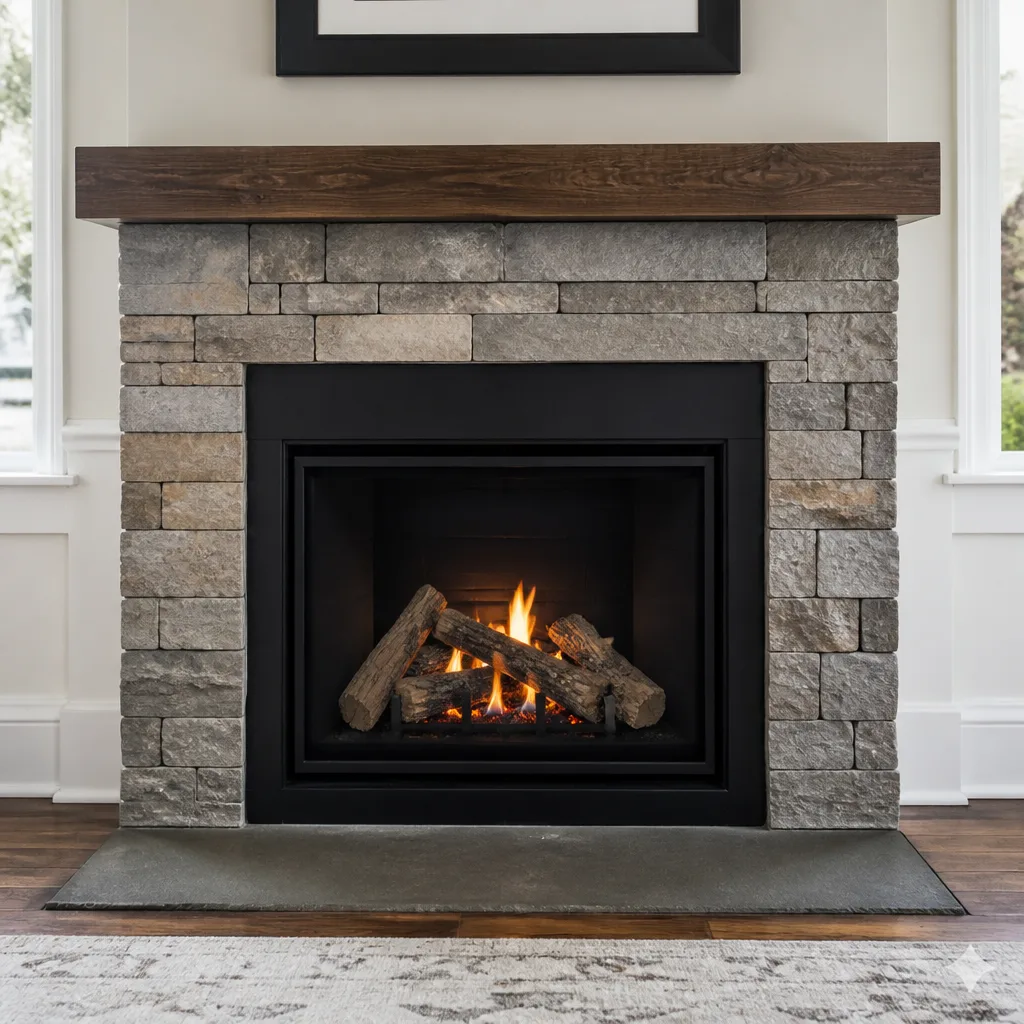
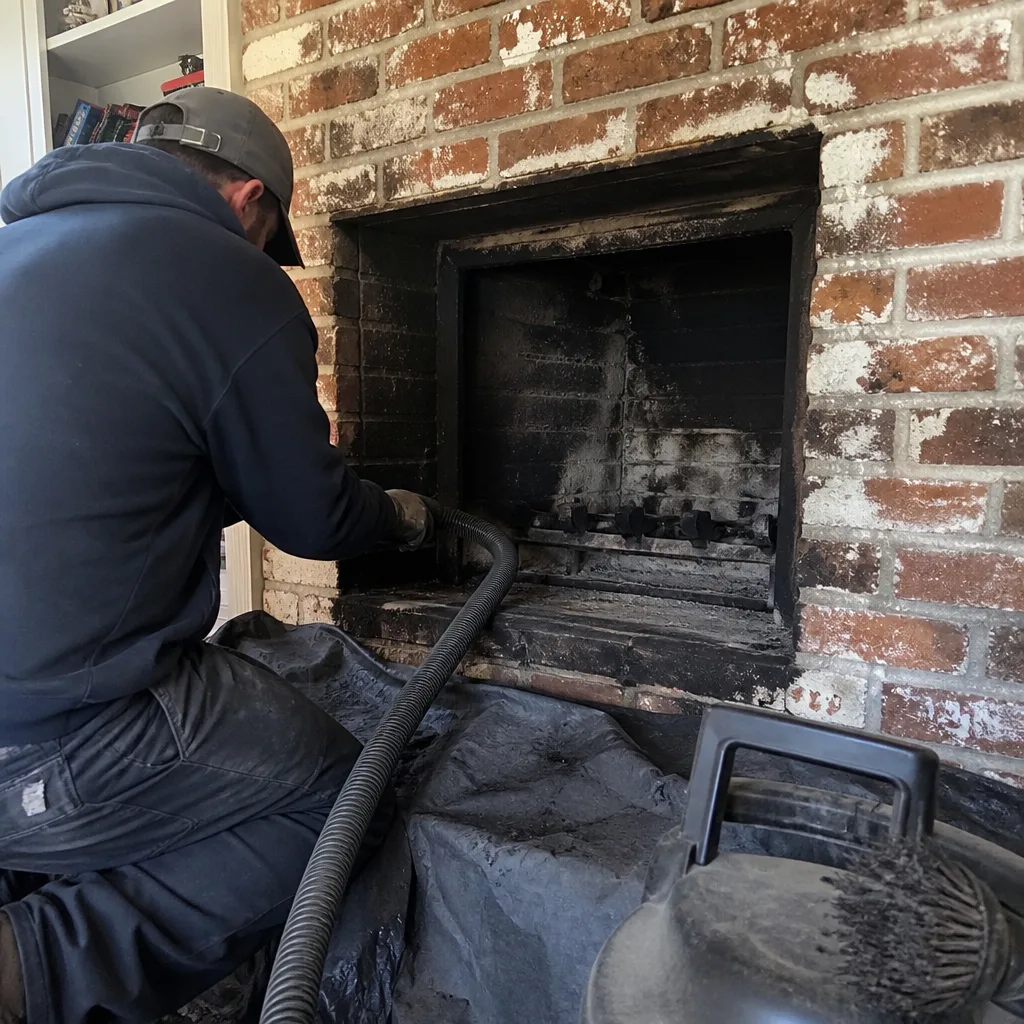 Before
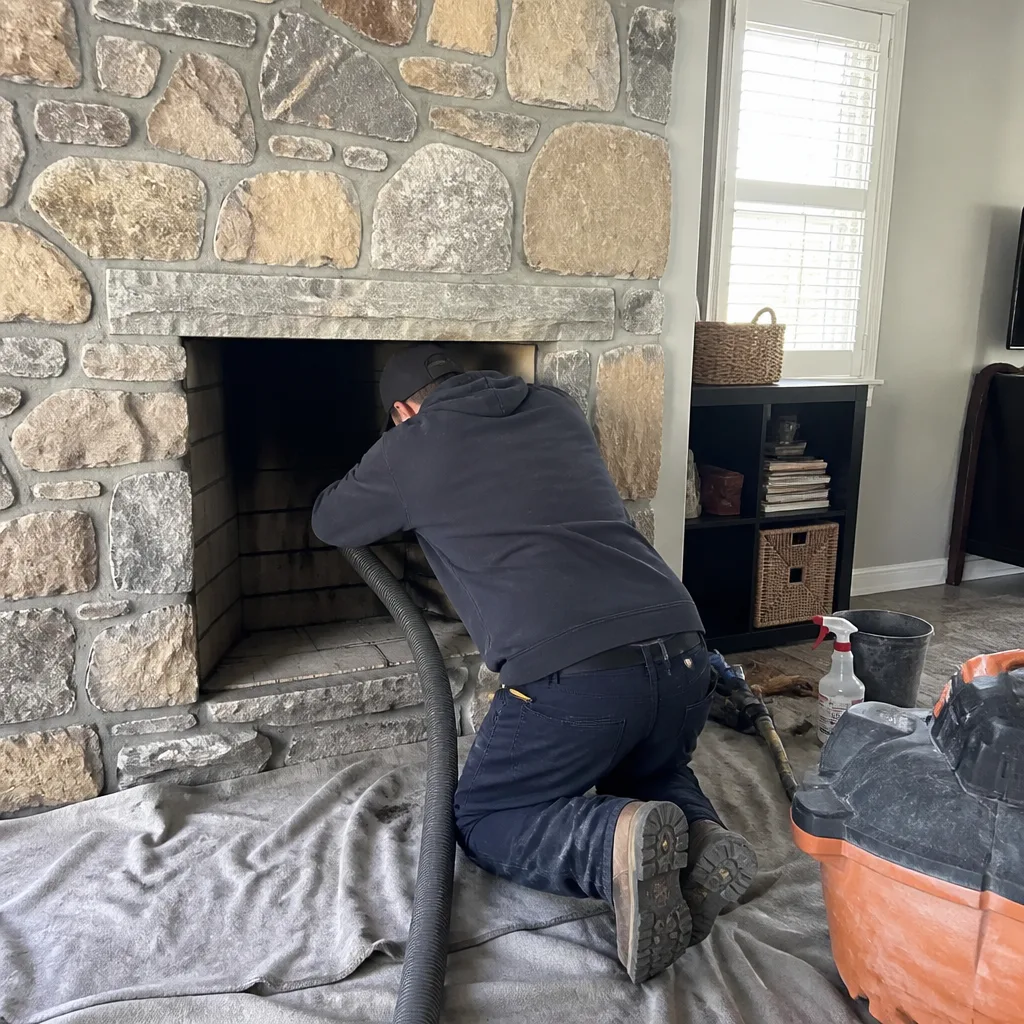 After
After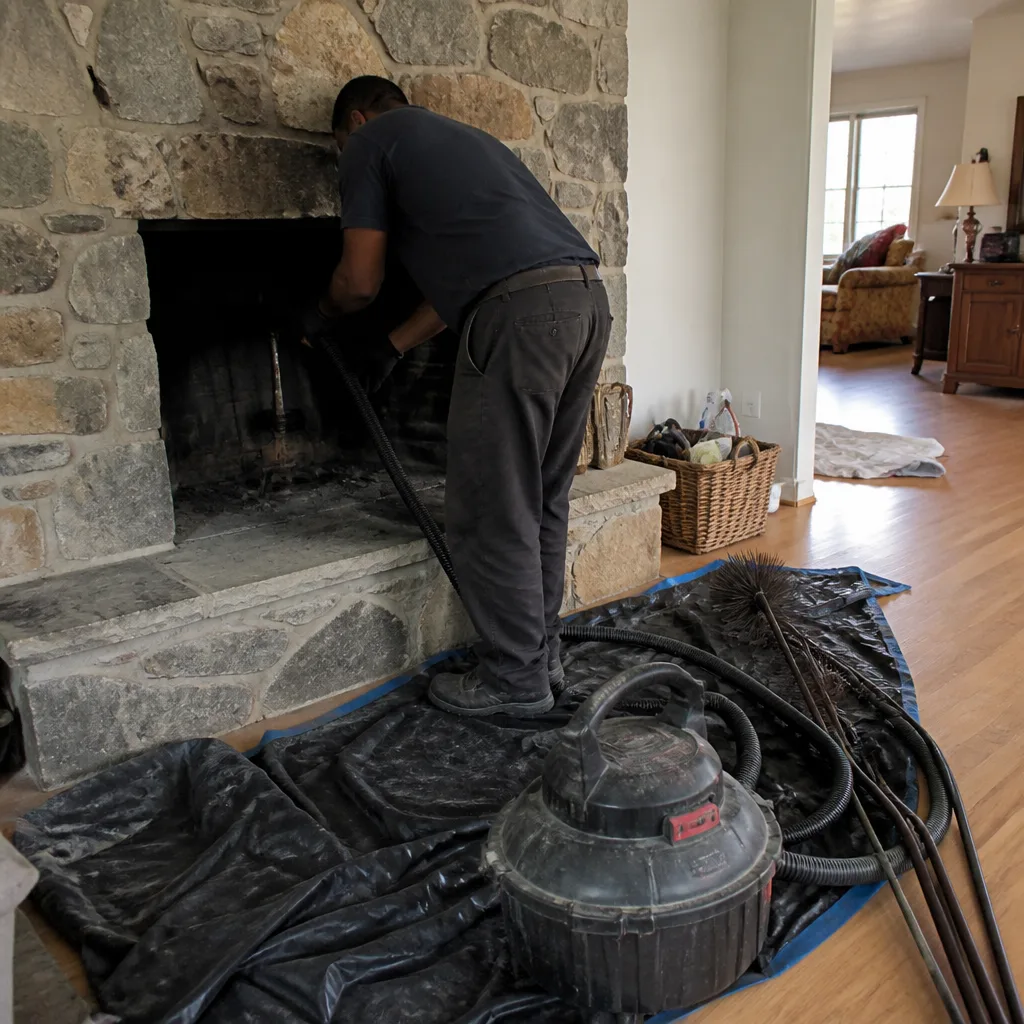 Before
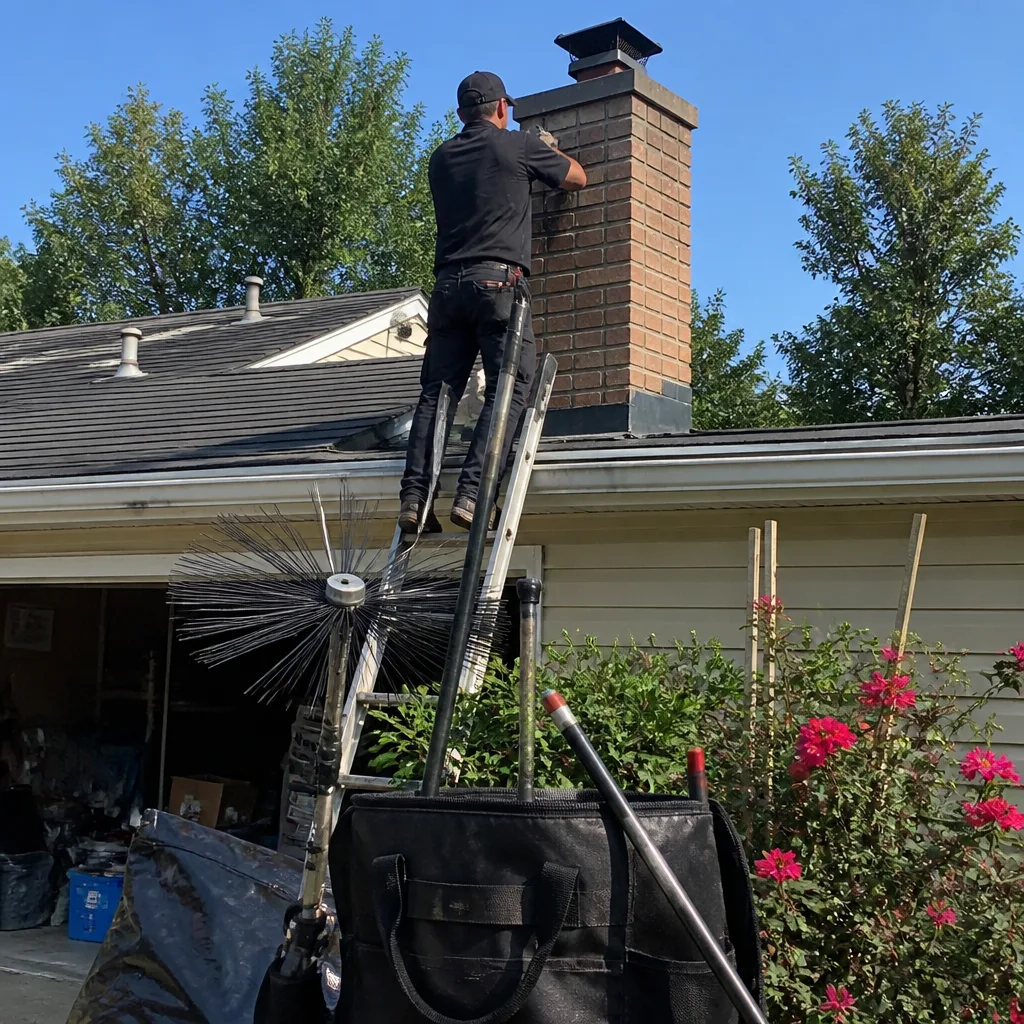 After
After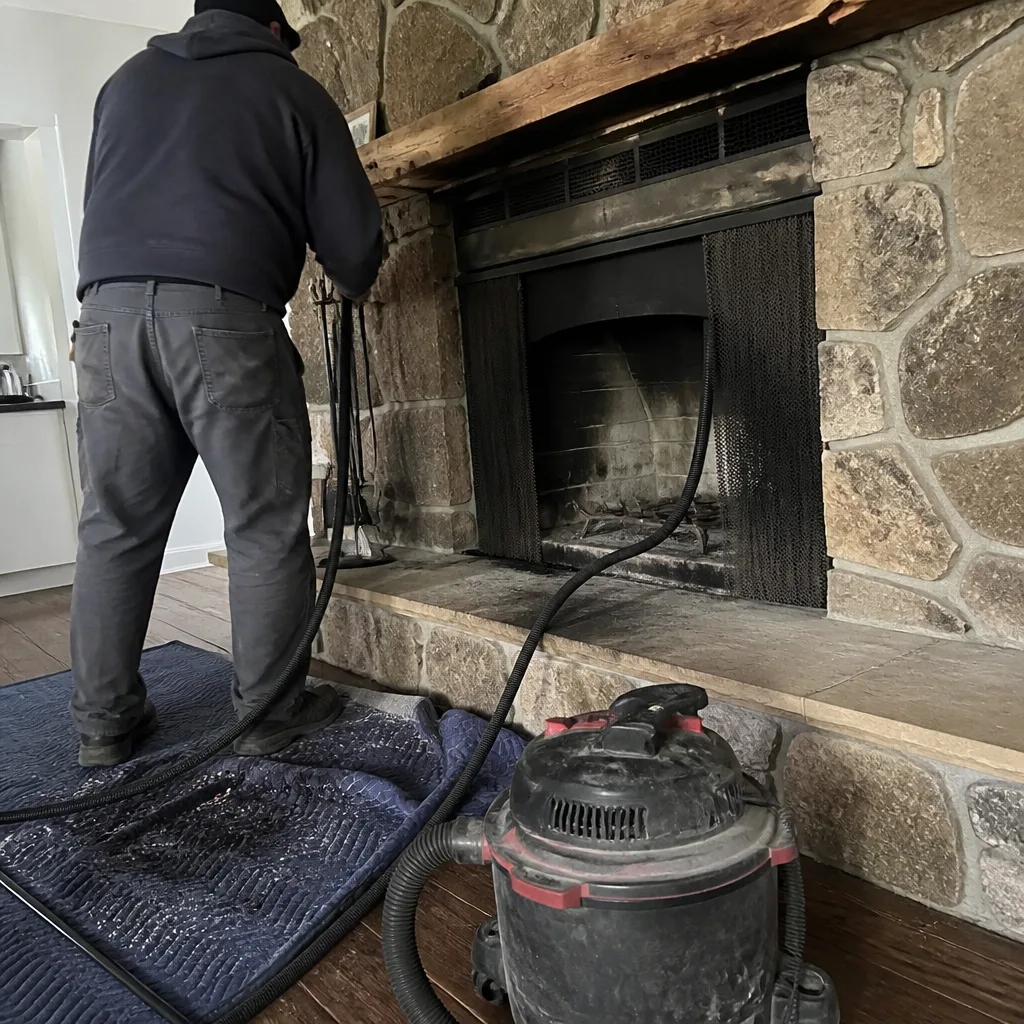 Before
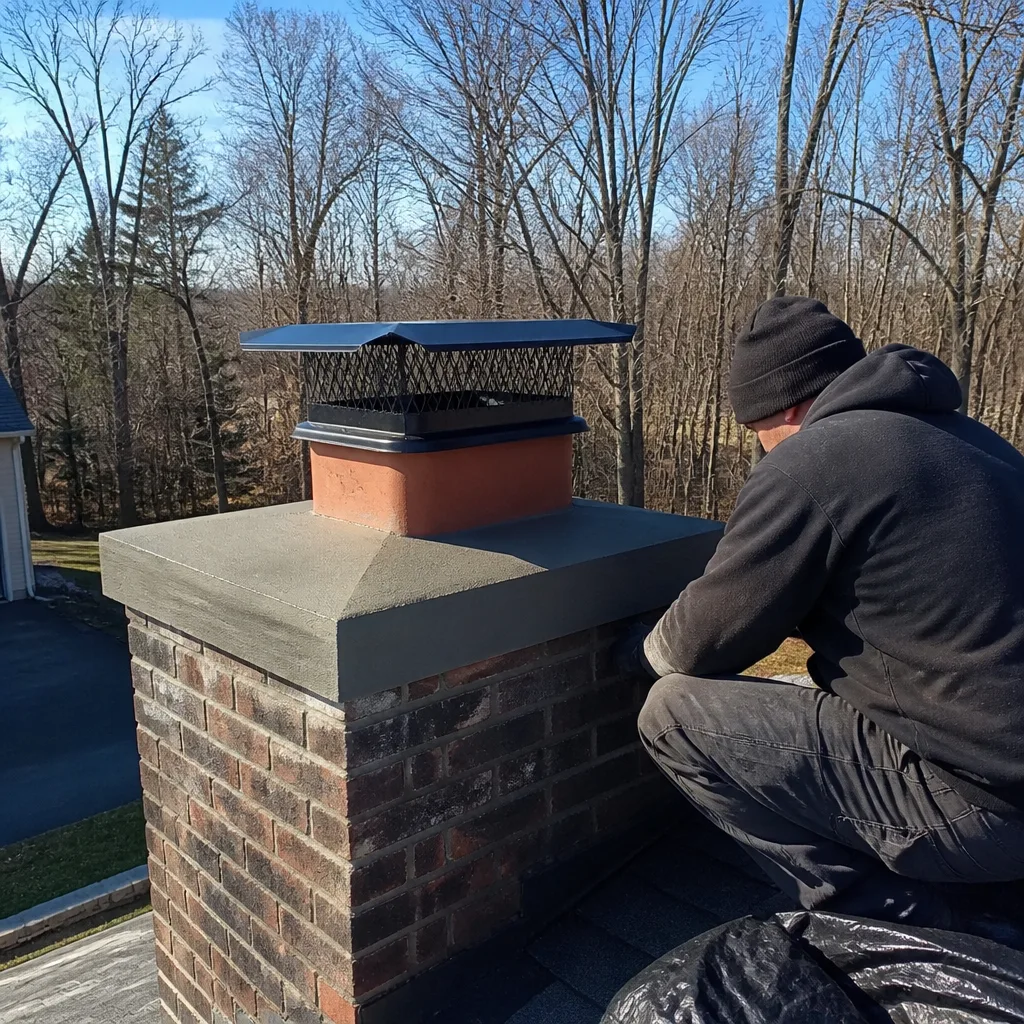 After
AfterThe Complete Guide to Chimney Cleaning in Phoenixville
A chimney can pass a visual sweep inspection and still harbor Stage 3 creosote glaze that no standard brush will touch. The Chimney Safety Institute of America estimates this condition exists in roughly 1 in 12 wood-burning flues that were “cleaned” the prior season. In Phoenixville, where pre-1960s stone and brick housing stock dominates neighborhoods like the Old Borough and Mont Clare, the gap between what a sweep looks like and what a flue actually needs is often wider than homeowners realize. This guide breaks down the five components of your flue system, what cleaning actually addresses for each, and how to read the documentation that proves the job was done right - or browse more guides & resources for related homeowner advice.
Quick Answer
Chimney cleaning in Phoenixville typically costs $199-$349 for a standard sweep with NFPA 211 Level 2 camera inspection included. A proper cleaning removes combustible creosote deposits from the flue liner, smoke chamber, and firebox, but it does not repair cracked liners, deteriorated mortar, or damaged caps. In Phoenixville’s older housing stock, we recommend combining every sweep with a camera-scan inspection to document liner offset conditions that brushing alone cannot detect.
Table of Contents
- What Chimney Cleaning Actually Does (and Doesn’t Do)
- The Five Flue Components: A Component-by-Component Breakdown
- Why Phoenixville’s Older Housing Stock Changes the Equation
- Sweep Visit vs. Level 1 vs. Level 2: Knowing What You’re Paying For
- How to Read a Post-Cleaning Report: Three Items That Must Appear in Writing
- What Documented Cleaning Records Mean for Insurance and Real Estate
- Chimney Cleaning Costs in Phoenixville: What’s Typical and What Drives Price
- Common Mistakes to Avoid
- When to Call a Professional
- Frequently Asked Questions
- The Bottom Line
 Before
 After
AfterWhat Chimney Cleaning Actually Does (and Doesn’t Do)
Chimney cleaning is the mechanical removal of combustible deposits - primarily creosote, soot, and debris - from the interior surfaces of a flue system. The goal is straightforward: reduce fuel for a chimney fire. What it is not is a repair service, a structural assessment, or a guarantee that your system is safe to operate.
We separate what happens during a cleaning into three categories:
- Removal of deposits: Brushes, rods, and vacuum systems dislodge Class I (sooty), Class II (granular), and limited Class III (glazed) creosote from accessible flue surfaces. Class III glaze, which forms when fresh creosote layers burn and harden over existing deposits, often requires chemical treatment or rotary removal - not standard brushing.
- Obstruction clearance: Nests, leaf accumulation, and collapsed liner sections get identified and documented. Actual removal depends on the obstruction type and location.
- Visual access creation: Cleaning opens the flue surface so that inspection - especially camera inspection - can reveal what brushing could not.
What cleaning does not do: seal cracked flue tiles, rebuild deteriorated smoke chamber parging, replace rusted dampers, or install missing caps. These are separate services with separate pricing. At Level Two Chimney Phoenixville home, we quote each scope in writing before any work begins - Haven Standard Clause 1. We’ve seen too many Phoenixville homeowners pay for a sweep and assume their system was “cleared” for another season, only to discover a deteriorated liner or spalling crown that a brush never touched.
The National Fire Protection Association Standard 211, which governs our industry, requires annual inspection of all chimney systems. Cleaning frequency depends on use: heavy wood-burning (three or more cords per season) typically needs annual sweeping; gas systems may go two to three years between cleanings unless debris or moisture issues develop.
The Five Flue Components: A Component-by-Component Breakdown
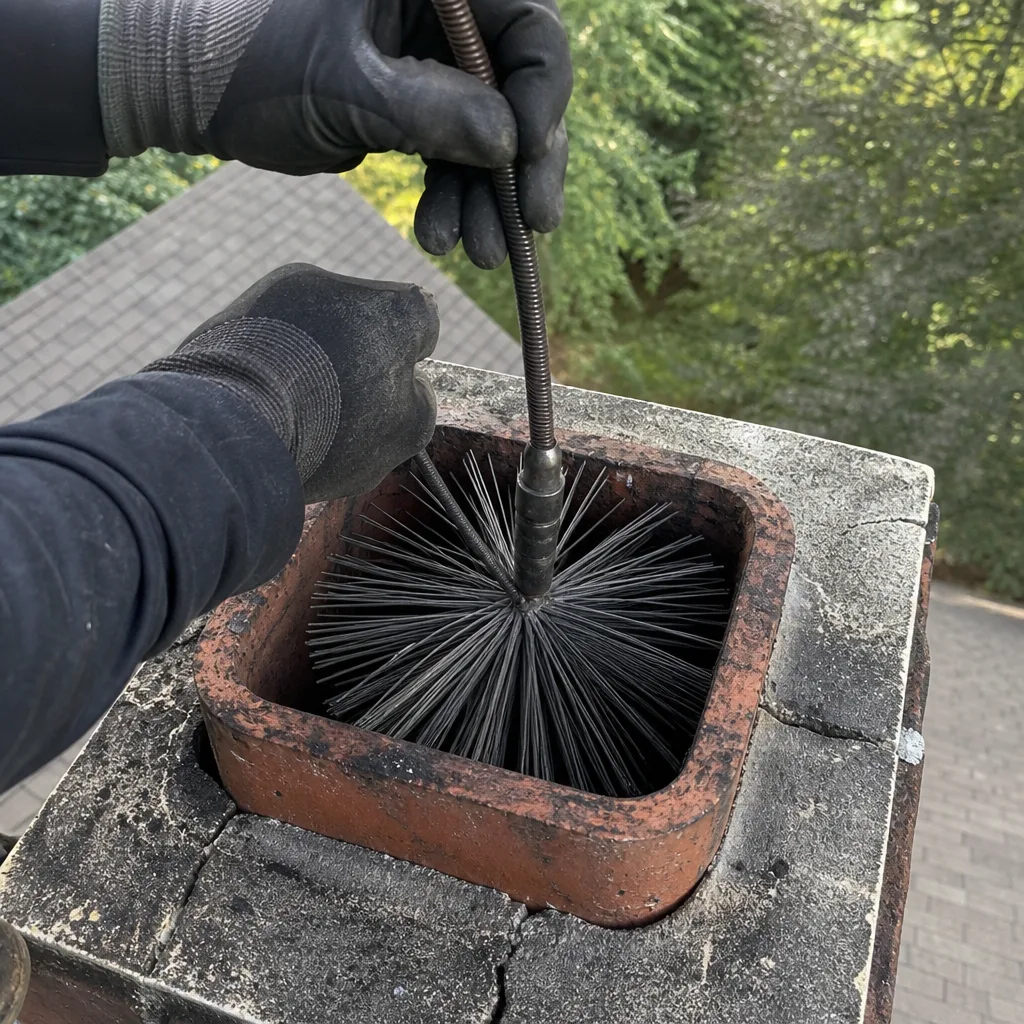
Your flue system is not a single pipe. It’s five distinct zones that fail on different schedules, accumulate different deposits, and require different tools to assess properly. Here’s what cleaning addresses for each - and where it falls short.
1. Firebox
The firebox is the visible chamber where combustion occurs - refractory panels in prefab units, firebrick in masonry construction. Cleaning removes ash, ember residue, and surface soot. It does not repair cracked refractory panels or deteriorated mortar joints between firebricks. In Phoenixville’s older homes, we’ve found fireboxes with mortar erosion so advanced that gaps exceed half an inch - a condition no amount of sweeping corrects. HeatShield refractory repair materials, which we source through our Haven buying network, address this when the scope is quoted separately.
2. Smoke Chamber
The smoke chamber is the inverted funnel above the firebox that channels gases into the flue liner. It’s the most overlooked component in standard sweep visits because it’s difficult to access and impossible to evaluate without a camera from below or a drop-light from above. Cleaning removes loose soot and creosote from chamber walls. It does not restore deteriorated parging (the smooth mortar coating that encourages laminar flow) or correct corbelled brick steps that create turbulence. NFPA 211 recommends smoke chamber parging when significant deterioration is found; we document this with photos under Haven Standard Clause 4.
3. Flue Liner
The liner is the critical protective layer - clay tile, stainless steel, or cast-in-place - that contains combustion gases and protects surrounding structure from heat transfer. Cleaning removes interior deposits but cannot repair cracked tiles, separated joints, or corrosion in metal liners. Here’s where Phoenixville’s housing stock creates specific risk: pre-1960s chimneys often have unlined brick flues or liners with offset joints (misaligned tiles caused by settling or freeze-thaw cycles). A standard brush passes right past these gaps. Only a camera inspection documents them. We use DuraFlex and Olympia Chimney liner materials when replacement is needed, quoted in writing before installation.
4. Damper
The damper regulates draft and seals the flue when not in use. Cleaning removes soot and debris from the damper frame and plate. It does not repair warped plates, broken springs, or frames corroded by condensing flue gases. A damper that doesn’t fully close costs Phoenixville homeowners significant heating dollars each winter - we’ve measured temperature differentials of 15-20 degrees at the firebox throat when dampers fail to seal.
5. Cap and Crown
The cap blocks debris and animals; the crown (masonry chimneys) or chase cover (prefab) sheds water from the flue opening. Cleaning clears debris from the cap screen. It does not rebuild cracked crowns, replace rusted chase covers, or install missing caps. Water intrusion from crown failure is the single largest cause of accelerated chimney deterioration in Chester County’s freeze-thaw climate. We document crown condition in every post-cleaning report; replacement uses Gelco or Famco materials through our Haven network.
Why Phoenixville’s Older Housing Stock Changes the Equation
Phoenixville’s building stock skews older than much of Chester County. The Old Borough, Mont Clare, and sections of Kimberton contain significant pre-1960s construction - stone farmhouses, Victorian brick twins, and early 20th-century workers’ housing. These structures create specific chimney conditions that newer homes rarely face.
Unlined or partially lined flues: Many pre-1940 chimneys were built without clay tile liners. Combustion gases contact bare brick, accelerating mortar deterioration. A standard sweep removes surface deposits but cannot create a liner where none exists. We recommend stainless steel liner installation when NFPA 211 clearance requirements aren’t met.
Offset clay tile joints: Decades of settlement, especially in stone chimneys with less uniform foundations, create stepped misalignments between tile sections. Brushes glide past these gaps; cameras catch them. In a 2022 inspection on Main Street, we documented a 3-inch offset in a liner that had received annual “cleanings” for a decade without camera verification.
Exterior spalling from freeze-thaw: Phoenixville’s 25-30 annual freeze-thaw cycles (USDA Zone 6b/7a boundary) accelerate brick and mortar deterioration on exposed chimney exteriors. Cleaning doesn’t address this; it may actually reveal it more clearly once interior deposits are removed.
Modified flue paths: Older homes often have chimneys adapted for insert installations, oil-to-gas conversions, or multiple appliance connections. Each modification creates new junction points where creosote accumulates and standard brushes may not reach.
The practical implication: if your Phoenixville home was built before 1960, treat a sweep visit as incomplete without camera documentation of the full liner length. The brush tells you what came out. The camera tells you what stayed behind or what the brush missed.
Sweep Visit vs. Level 1 vs. Level 2: Knowing What You’re Paying For
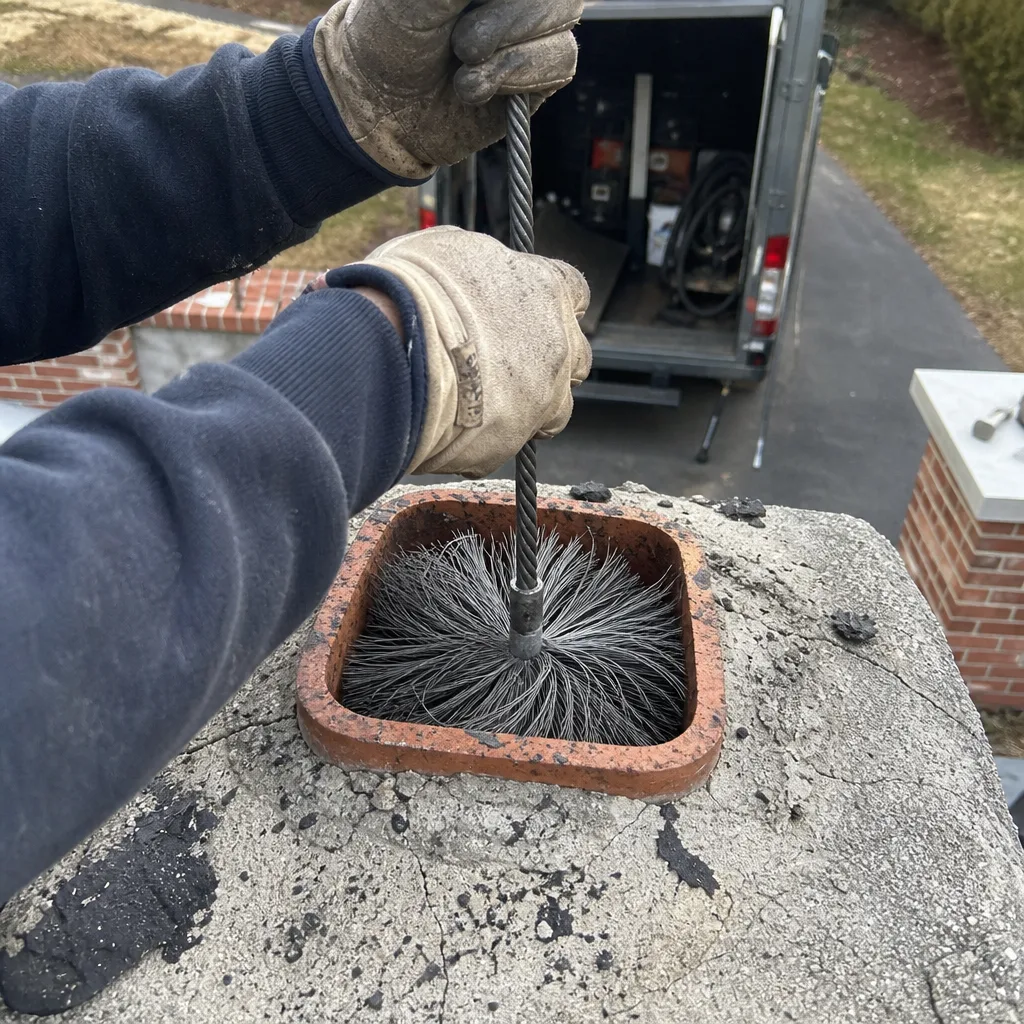
These three service levels are defined by NFPA 211, but chimney companies apply the terms inconsistently. Here’s the actual distinction.
| Service Level | What Happens | What Gets Documented | Typical Phoenixville Price Range |
|---|---|---|---|
| Sweep Only | Mechanical brushing of accessible flue surfaces; visual check from top and bottom | Minimal or none; verbal report common | $129-$189 |
| Level 1 Inspection | Visual examination of readily accessible portions; no tools or ladders required beyond standard access | Written checklist; no interior flue images | $149-$219 |
| Level 2 Inspection | Camera-scan of full flue interior; examination of accessible attics, crawl spaces, exterior; required for real estate transactions, appliance changes, or suspected damage | Photo/video record, written condition report, written scope and price for any recommended work | $199-$349 (often includes sweep) |
At Chimney Cleaning & Sweep in Phoenixville, our standard visit combines sweep with Level 2 inspection. We made this the default in 2009, before insurers or regulators required it, and it became Haven Standard Clause 4: documented photo record on every job. The additional cost over a sweep-only visit is typically $70-$100, but the documentation it produces - timestamped images of every flue section, written condition assessment, written price for any recommended work - is what protects you in insurance claims, real estate transactions, and warranty disputes.
When to require Level 2:
- Buying or selling a home in Chester County (most real estate contracts now specify it)
- Changing appliance type (wood to gas, oil to pellet, etc.)
- After a chimney fire, lightning strike, or seismic event
- When a Level 1 inspection suggests concealed damage
- Any pre-1960s chimney that hasn’t been camera-inspected in the past five years
How to Read a Post-Cleaning Report: Three Items That Must Appear in Writing
We’ve reviewed thousands of competitor invoices and reports from Phoenixville homeowners seeking how to hire a chimney cleaning contractor in Phoenixville and requesting second opinions. Most are single-line charges - “Chimney sweep: $225” - with no documentation of what was found, what was done, or what condition the system remains in. Under Haven Standard Clause 1, we deliver three written items before any work starts and three more when it concludes. Here’s what to demand from any provider.
Item 1: Written Scope of Work
Before anyone touches your system, you should receive a document stating exactly what will be done: “Sweep flue liner from firebox to crown, Level 2 camera inspection of full liner length, photo documentation, debris containment and removal.” Vague language - “standard cleaning,” “annual service” - is a red flag. It allows the company to define down what they deliver after you’ve paid.
Item 2: Written Price for Proposed Work
The price for the documented scope, with line-item breakdown if multiple services are recommended. At Level Two, this includes the sweep/inspection price and separate line items for any repair or installation work - liner replacement, crown rebuild, damper repair - with a clear “decline” option for each. No homeowner should face a revised invoice after work begins because “we found something else.”
Item 3: Photo or Video Record of Flue Condition
After cleaning and inspection, you should receive timestamped images or video of the full flue interior, smoke chamber, and firebox. This is Haven Standard Clause 4, and it’s the only proof that the inspection actually occurred and covered the full flue length. We archive these records and can reproduce them for insurance or real estate purposes years later. Competitor reports with no images, or a single “representative” photo, leave you without evidence if a claim arises.
What we additionally include: a written condition summary rating each component (firebox, smoke chamber, liner, damper, cap/crown) as “satisfactory,” “monitor,” or “repair recommended,” with specific observations and the basis for each rating. If we recommend work, we cite the code or standard that supports it - NFPA 211 section, manufacturer specification, or local code reference.
What Documented Cleaning Records Mean for Insurance and Real Estate
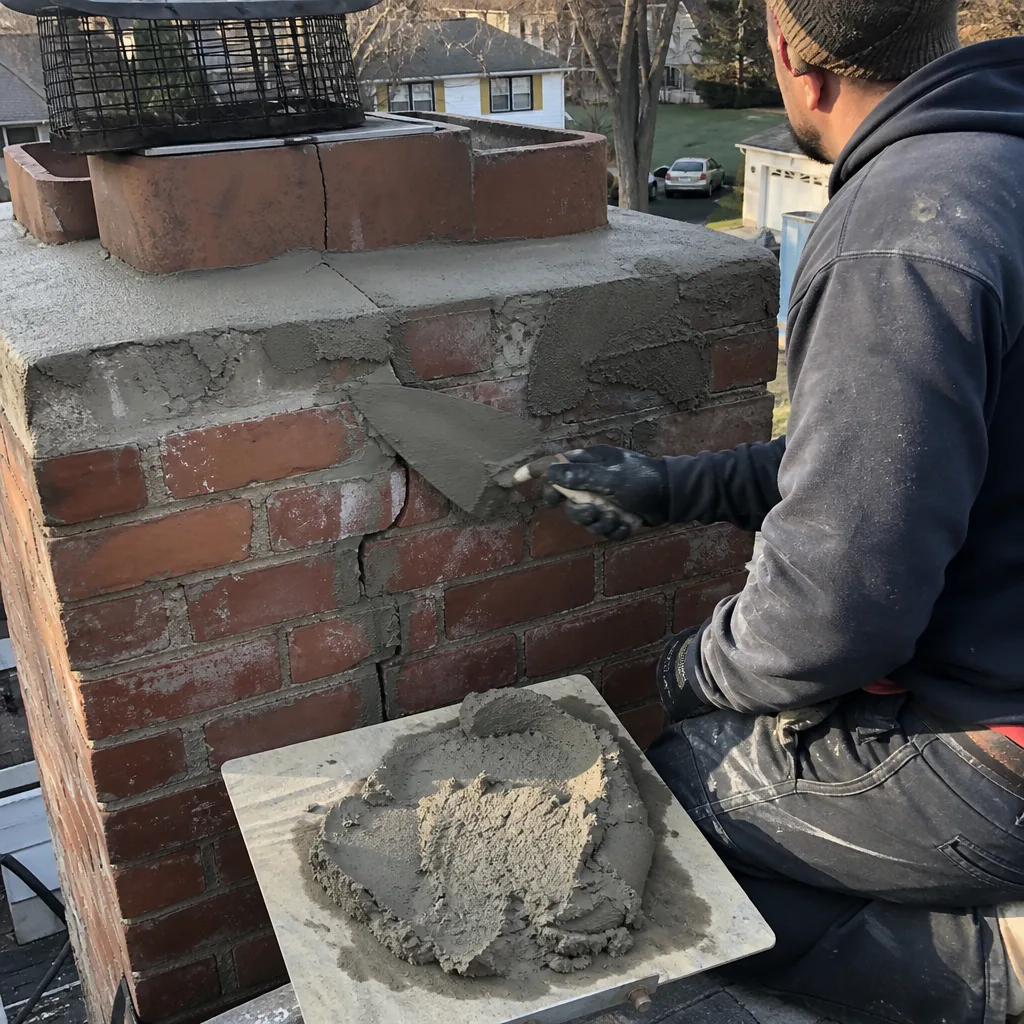
Documentation isn’t paperwork for its own sake. In Chester County’s active real estate market and increasingly stringent insurance environment, it has concrete value.
Homeowners insurance: After a chimney fire, insurers increasingly request proof of maintenance. A dated invoice for “chimney sweep” proves payment, not performance. A Level 2 report with photo documentation proves the flue was inspected, the condition was documented, and any recommended work was communicated to the homeowner. We’ve assisted Phoenixville clients in claims where our Clause 4 documentation distinguished between a maintenance issue (denied) and a sudden, unforeseeable failure (covered).
Real estate transactions: Pennsylvania’s standard residential purchase agreement doesn’t mandate chimney inspection, but Chester County buyers and their insurers frequently require it. A seller with recent Level 2 documentation can list with confidence; a buyer without it should negotiate inspection contingencies carefully. We’ve provided retrospective documentation for Phoenixville homeowners who had work done years prior and needed records for a current sale - possible only because we archive every Clause 4 record.
Warranty and dispute protection: Our 365-Day Done Right Promise covers workmanship on any service we perform. The before-and-after photo record establishes the baseline condition and proves what was actually done. Without this documentation, warranty claims devolve into he-said-she-said disputes that help no one.
Chimney Cleaning Costs in Phoenixville: What’s Typical and What Drives Price
Price transparency is Haven Standard Clause 1. Here’s what chimney cleaning costs in the Phoenixville market and what moves the number.
| Service | Typical Range | What’s Included |
|---|---|---|
| Standard sweep with Level 2 inspection | $199-$349 | Mechanical cleaning, camera-scan, photo record, written report |
| Heavy creosote removal (Class III glaze) | $150-$400 additional | Chemical treatment or rotary chain removal, may require return visit |
| Gas fireplace cleaning | $149-$249 | Glass, burner, pilot cleaning; vent inspection; no flue brush typically needed |
| Insert/pellet stove cleaning | $199-$299 | Disconnection, flue liner cleaning, reconnection, operational test |
| Chimney cap installation (basic stainless) | $199-$399 | Cap, installation, critter guard; does not include crown repair |
Price drivers specific to Phoenixville:
- Access difficulty: Steep-pitch roofs on Victorian homes, especially in the Old Borough, require additional safety equipment and time.
- Liner configuration: Multiple bends, offsets, or insert adapters increase cleaning time and tool requirements.
- Debris volume: Chimneys unused for multiple seasons, common in recently purchased foreclosures or estate properties, may require extended cleaning.
- Height: Two- and three-story masonry chimneys on older homes exceed standard equipment reach.
What should never drive price: “we found something unexpected” after work begins. Our written price is fixed for the documented scope. If we discover conditions that require additional work, we stop, document, and provide a separate written quote before proceeding. No exceptions.
We also offer a Free Second Opinion on any written estimate from a competitor. Bring us their quote - we’ll review the scope, explain what we agree and disagree with, and quote our own price if we can improve on value. No charge, no obligation.
Common Mistakes to Avoid
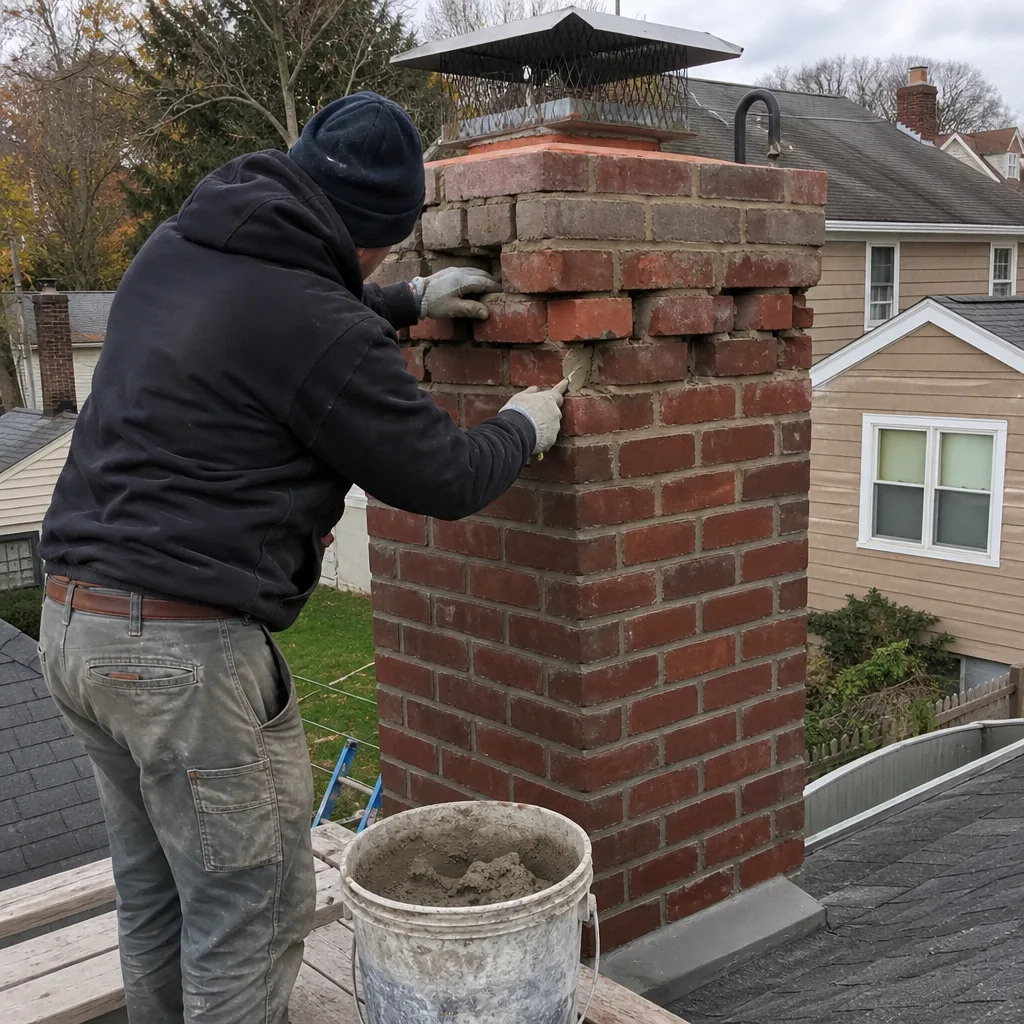
- Booking a sweep without specifying inspection type. Many Phoenixville homeowners request “a cleaning” and receive a brush run with no documentation. Specify Level 2 camera inspection when you call, or confirm it’s included in the quoted price.
- Assuming a clean flue means a safe system. We’ve cleaned flues that passed visual inspection, then camera-documented cracked tiles at the third course from the top - invisible from below, undetectable by brush resistance. Cleaning and safety assessment are separate functions; insist on both.
- Ignoring the smoke chamber. This component isn’t visible during casual fireplace use and is often omitted from basic sweep visits. Ask specifically whether your smoke chamber was inspected and documented.
- Skipping maintenance on gas systems. Gas fireplaces and furnaces don’t produce creosote, but they do produce corrosive condensation and can suffer vent blockages from debris or animal intrusion. Annual inspection remains important; cleaning every 2-3 years depending on use.
- Accepting verbal recommendations without written documentation. “Your liner looks bad” means nothing in an insurance claim or dispute. Every recommendation should arrive in writing, with photographic evidence, cited standard or code basis, and separate price.
- Choosing by price alone. The lowest sweep quote often excludes inspection, documentation, or proper debris containment. We’ve corrected competitor work where soot escaped into living spaces because containment wasn’t in the quoted scope. The $50 saved becomes $500 in cleaning and a health hazard.
- Waiting for visible problems. By the time you see staining, smell smoke, or hear dripping, damage is advanced. In Phoenixville’s freeze-thaw climate, water intrusion accelerates rapidly once it begins.
When to Call a Professional
Call a certified chimney professional when: you notice smoke entering the room during fireplace use; you see visible cracks in the firebox or exterior masonry; you hear animal activity in the flue; you’ve had a chimney fire (even a small one - thermal damage to liners is often invisible); you’re buying or selling a home; or your system hasn’t been inspected in over 12 months. For gas systems, call if the pilot won’t stay lit, you smell combustion gases, or the glass doors show unusual soot patterns.
Level Two Chimney Phoenixville offers free estimates in Phoenixville - call (610) 321-5157. Every estimate includes a written scope and written price before any work begins. Our technicians are background-checked, uniformed, and licensed; you’ll receive a text when yours is en route. Live phone support runs 24 hours a day, 7 days a week, so you reach a person, not a voicemail.
Frequently Asked Questions
A standard chimney sweep with NFPA 211 Level 2 camera inspection in Phoenixville typically runs $199-$349. Heavy creosote removal, difficult roof access, or multi-story chimneys may increase this. We deliver a written price before any work starts - call (610) 321-5157 for an exact quote; estimates are free.
Wood-burning systems used regularly should be swept annually, per NFPA 211. In Phoenixville, where many homeowners burn 2-4 cords per season, we often find significant creosote accumulation after a single heating season. Gas systems can go 2-3 years between cleanings but should be inspected annually. The specific answer depends on fuel type, burn habits, and flue configuration - a Level 2 inspection establishes your actual interval.
You need a new liner when the existing one is damaged, improperly sized, or absent - conditions that cleaning cannot correct. Cracked clay tiles, separated joints, or corrosion in metal liners create fire and carbon monoxide hazards that brushing doesn’t address. We document liner condition with camera evidence you can see yourself, explain whether the condition requires immediate action or can be monitored, and quote replacement only when code or safety standards require it. Call (610) 321-5157 for a free second opinion on any liner replacement recommendation.
Skipped cleaning allows creosote to accumulate. Stage 1 creosote (sooty) becomes Stage 2 (granular) and potentially Stage 3 (glazed, tar-like) with continued use. Stage 3 glaze ignites at lower temperatures and burns intensely - chimney fires can exceed 2,000 degrees and damage liners, surrounding structure, or ignite the roof. Even without fire, accumulated deposits restrict draft, causing smoke backup, carbon monoxide risk, and inefficient combustion. In Phoenixville’s older homes with tighter construction than their original design, restricted draft is a particular concern.
A sweep is mechanical cleaning. An inspection is systematic evaluation of condition. They are separate services, though we combine them as standard practice. A sweep without inspection tells you what came out, not what condition remains. An inspection without cleaning may miss conditions concealed by deposits. For complete assessment, you need both - which is why our standard visit includes both, documented under Haven Standard Clause 4.
We don’t recommend DIY chimney cleaning. Roof access on multi-story homes presents fall hazards; improper brush selection can damage liners; and without camera inspection, you cannot verify what the brush reached or missed. More critically, DIY cleaning provides no documentation for insurance or real estate purposes. The cost of professional service with written record is modest compared to the risk of undetected damage or uninsured loss. For firebox ash removal and glass cleaning between professional visits, basic maintenance is reasonable; flue cleaning and condition assessment should be left to equipped professionals.
The Bottom Line
Chimney cleaning in Phoenixville is not a single service but a combination of mechanical cleaning, systematic inspection, and documented record-keeping - each serving a distinct purpose. The five components of your flue system require different attention; Phoenixville’s older housing stock demands camera verification that brushing alone cannot provide; and the documentation you receive matters as much as the work itself for insurance, real estate, and warranty protection. Demand written scope, written price, and photo documentation before any work begins. Anything less leaves you without proof of what was done and what condition your system is actually in.
For Chimney Repair in Phoenixville or Fireplace Services in Phoenixville, we apply the same documentation standards. Every job since 2009 - more than 38,000 chimney inspections and cleanings - has carried a written price before work started and a documented record when finished. The 365-Day Done Right Promise backs every service we perform.
Written by Corrine Halstead, Owner at Level Two Chimney Phoenixville, serving Phoenixville since 2009.