
Last updated September 22, 2026
Level 1 sweep and inspection to the NFPA 211 annual standard - flue, crown, cap, and flashing checked and photographed
Chimney sweep logs do not sweep chimneys. They loosen some creosote - which then falls where a brush and vacuum still have to collect it.
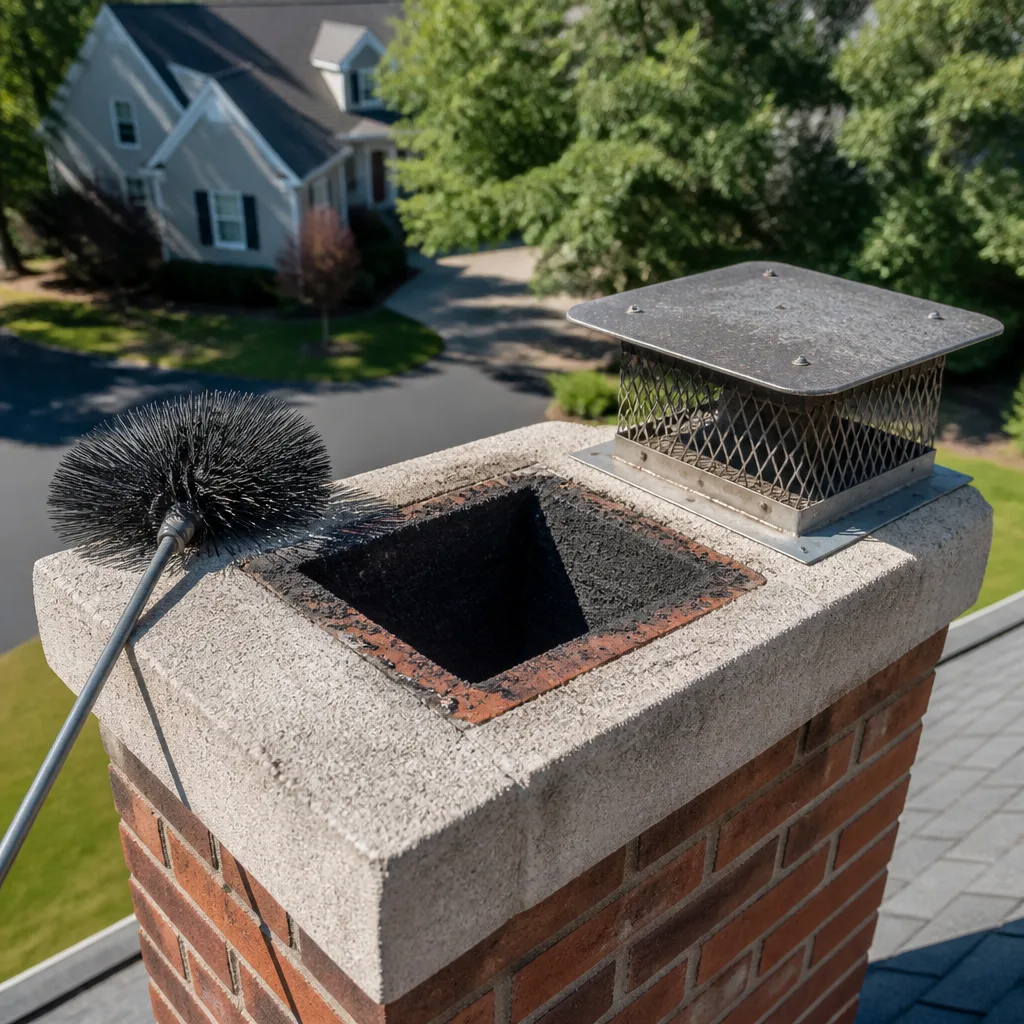
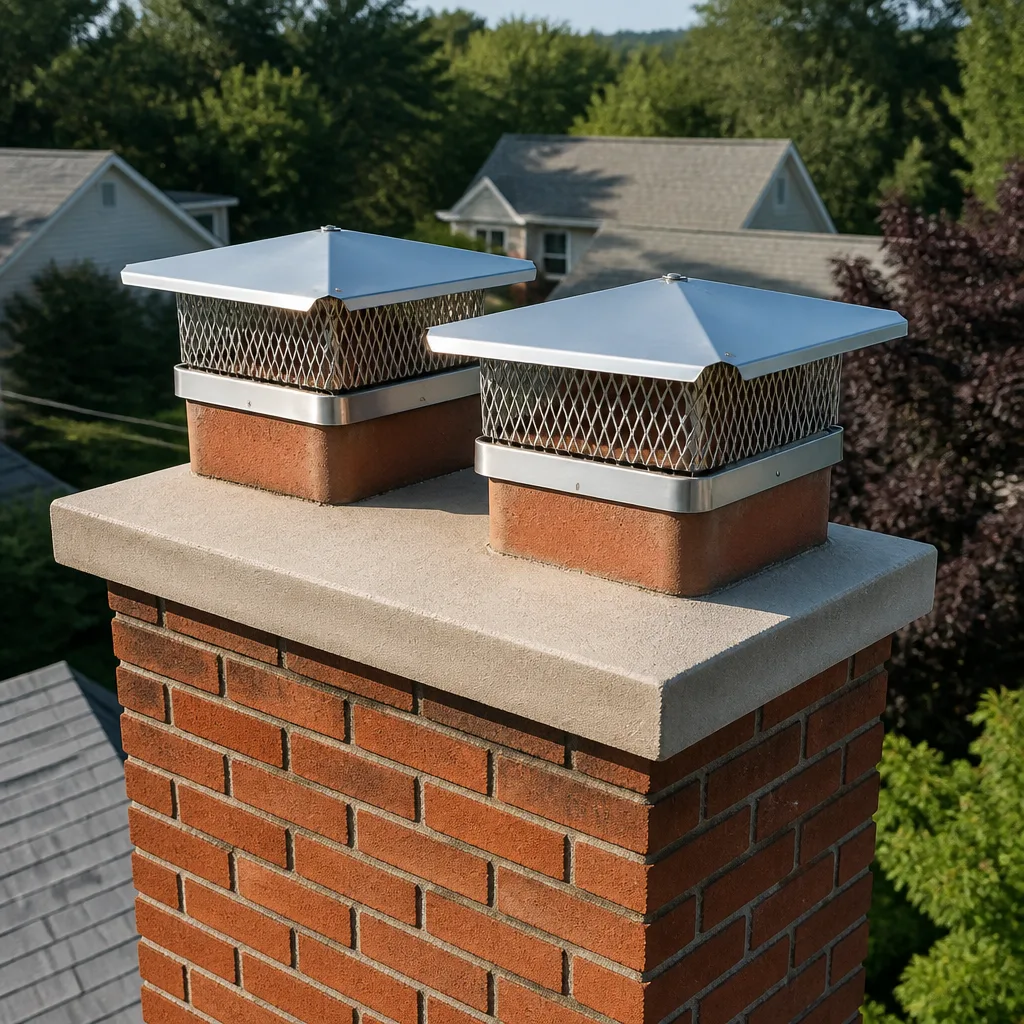
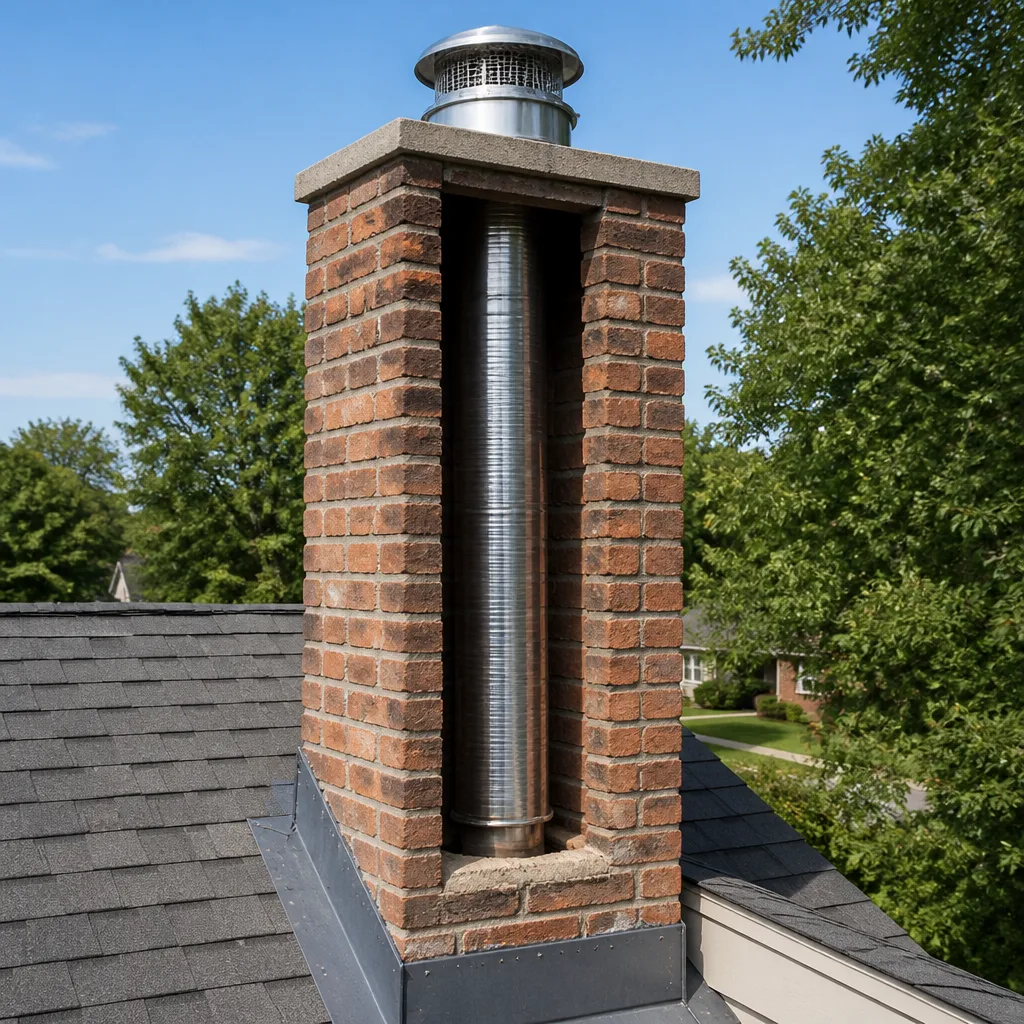
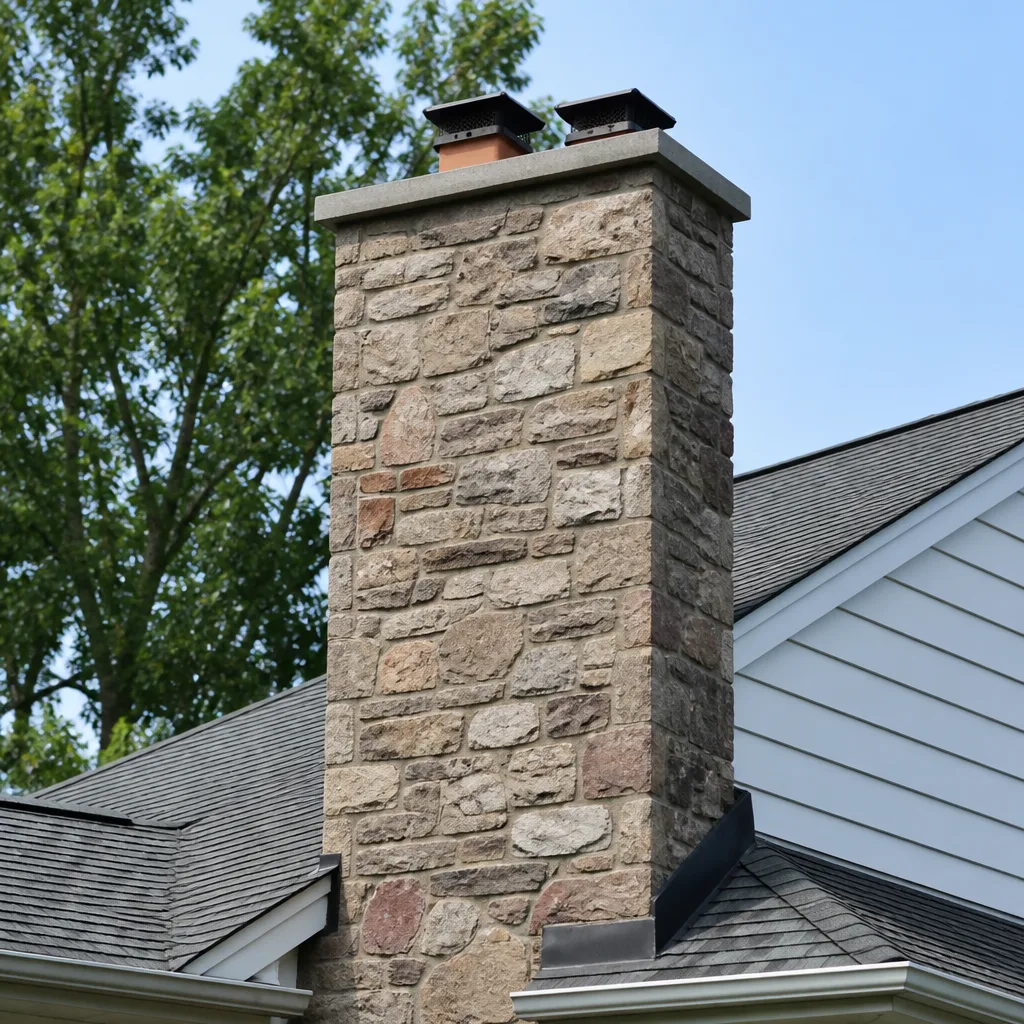
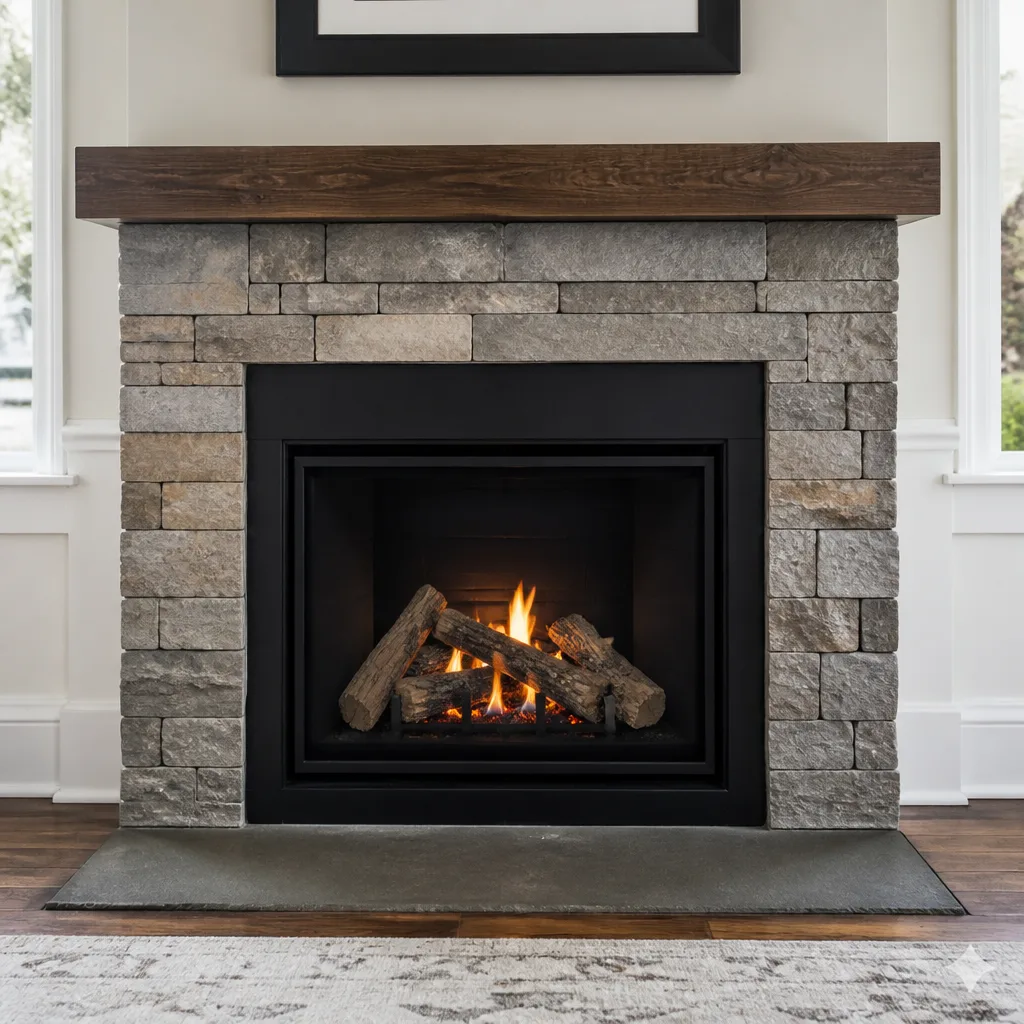
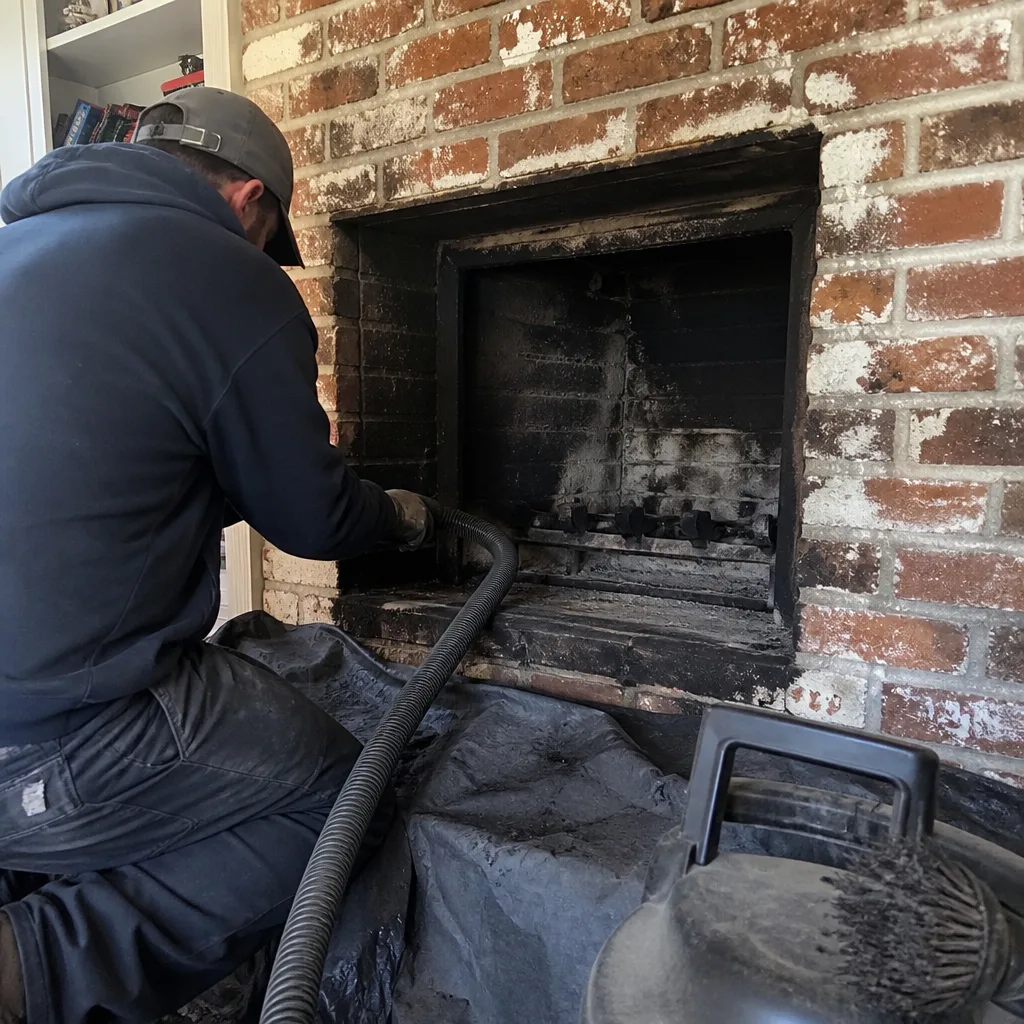 Before
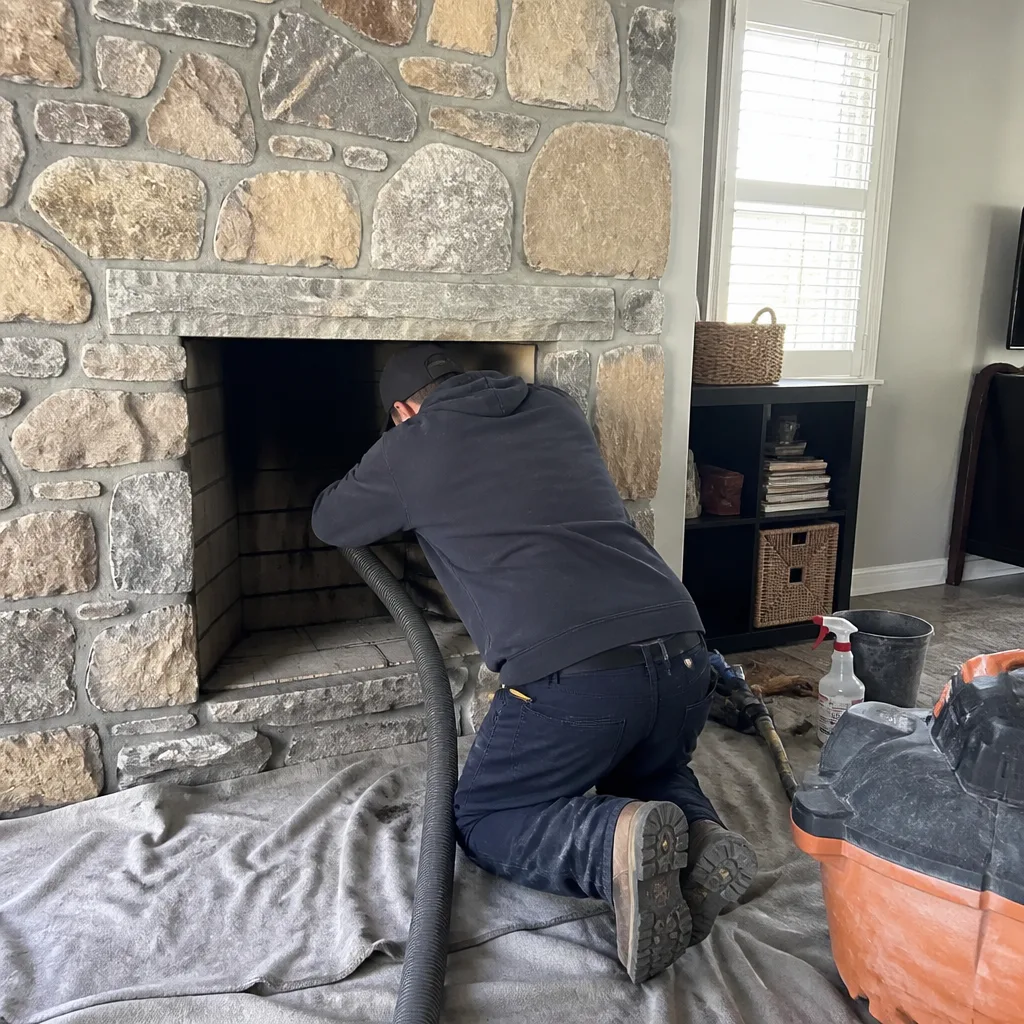 After
After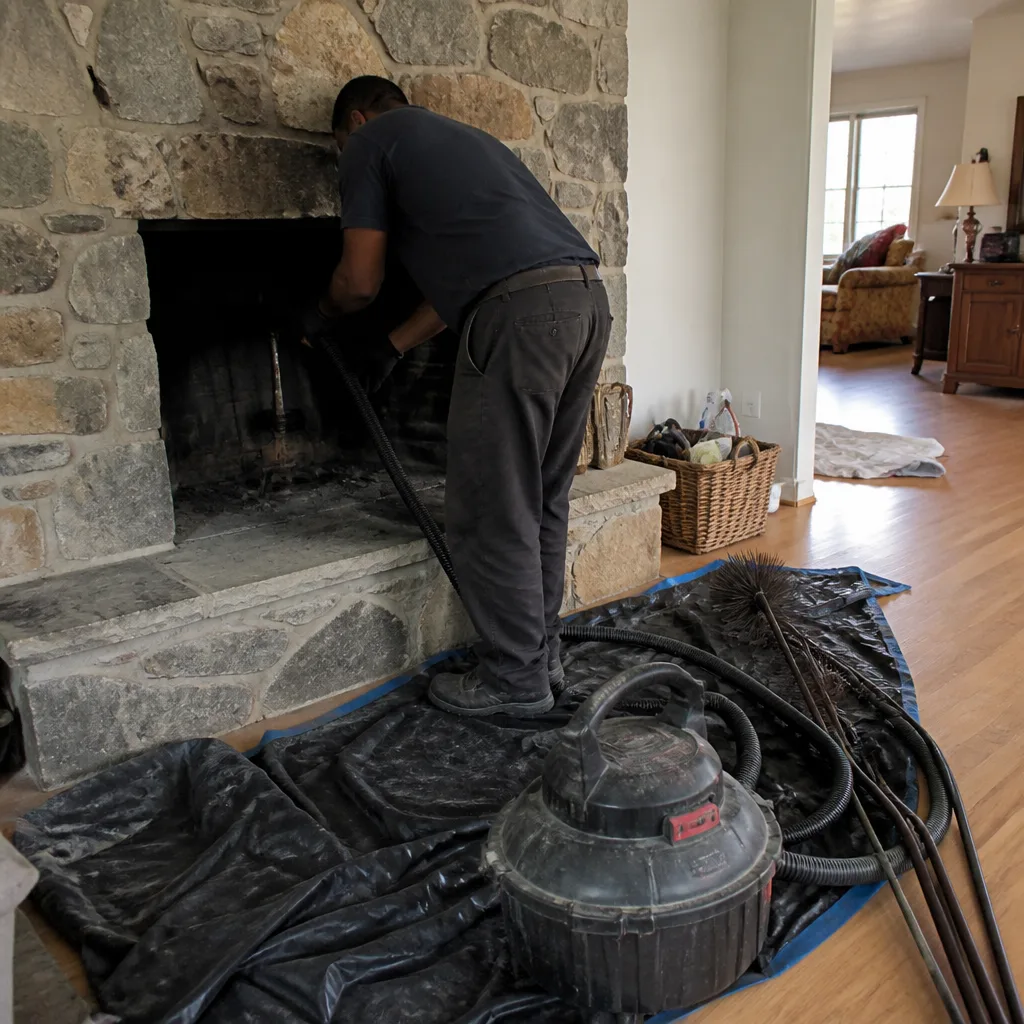 Before
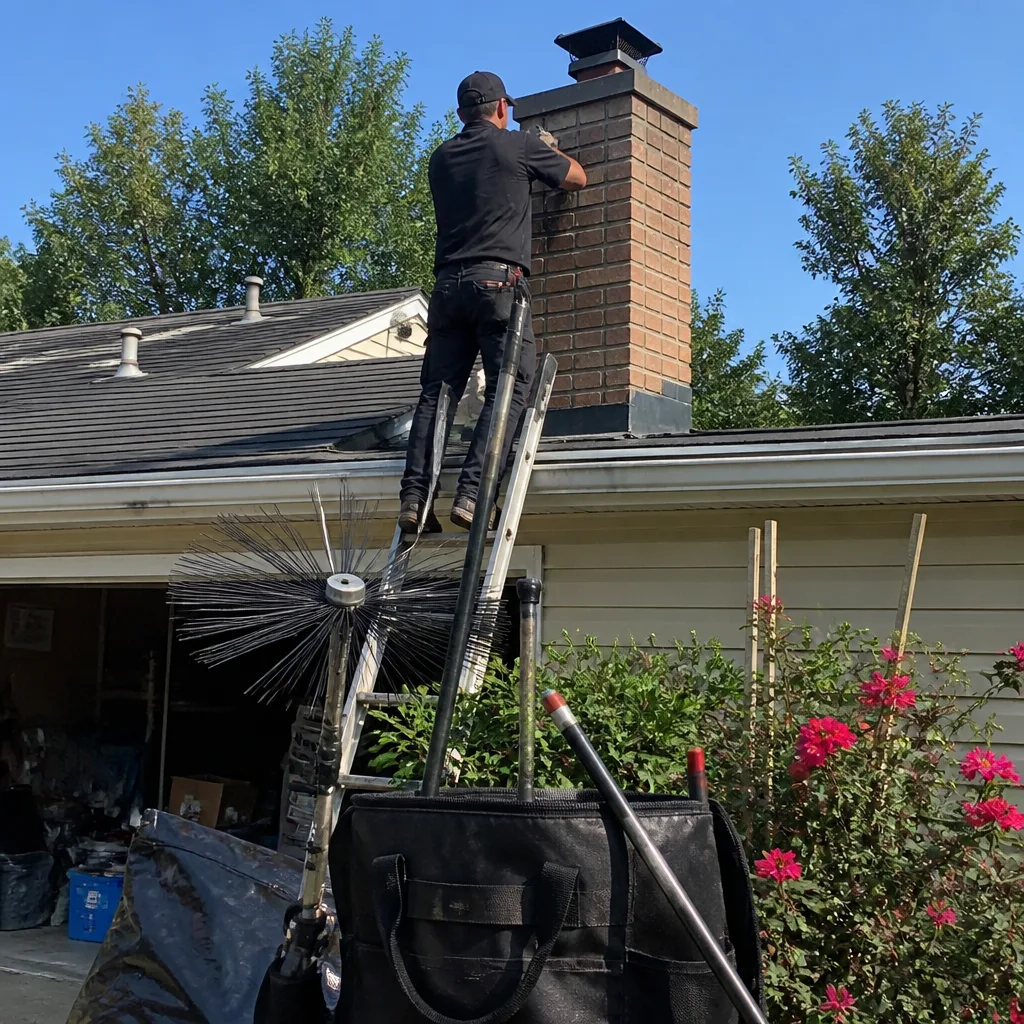 After
After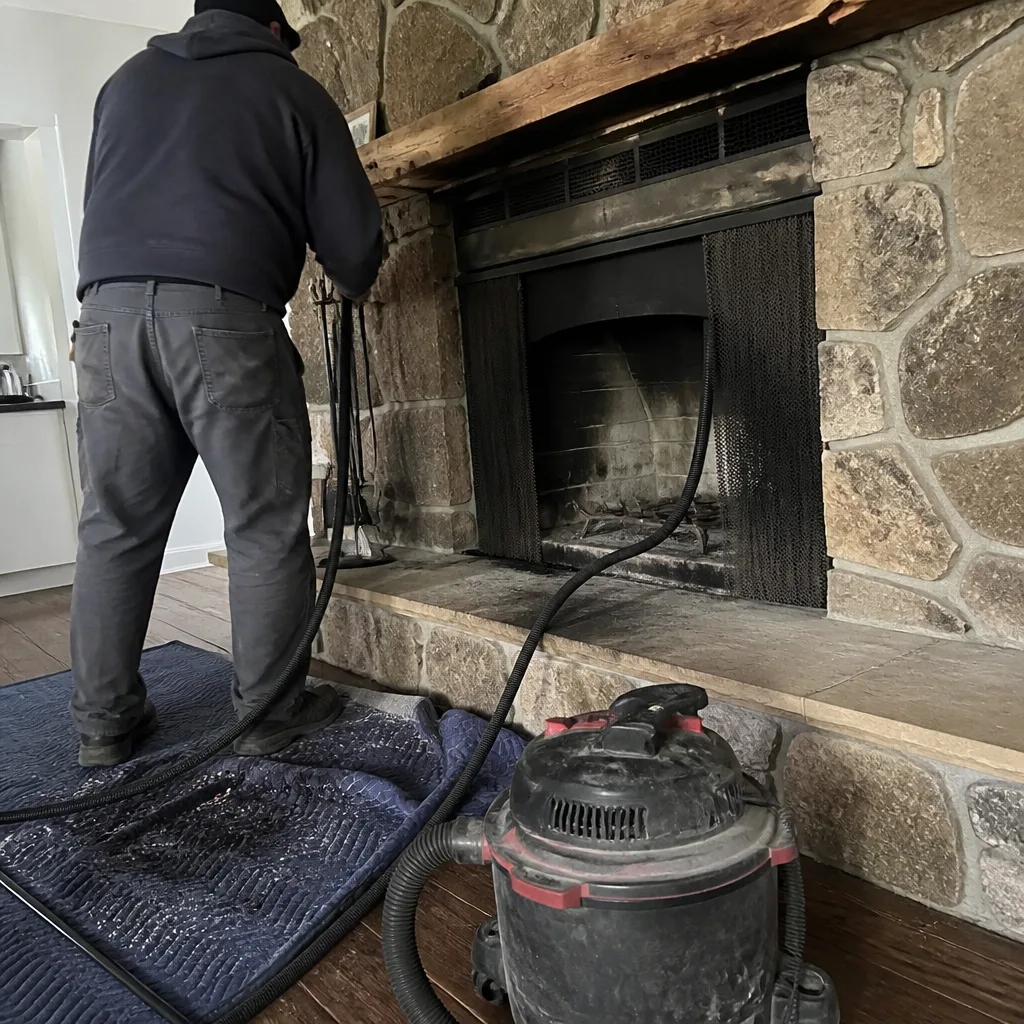 Before
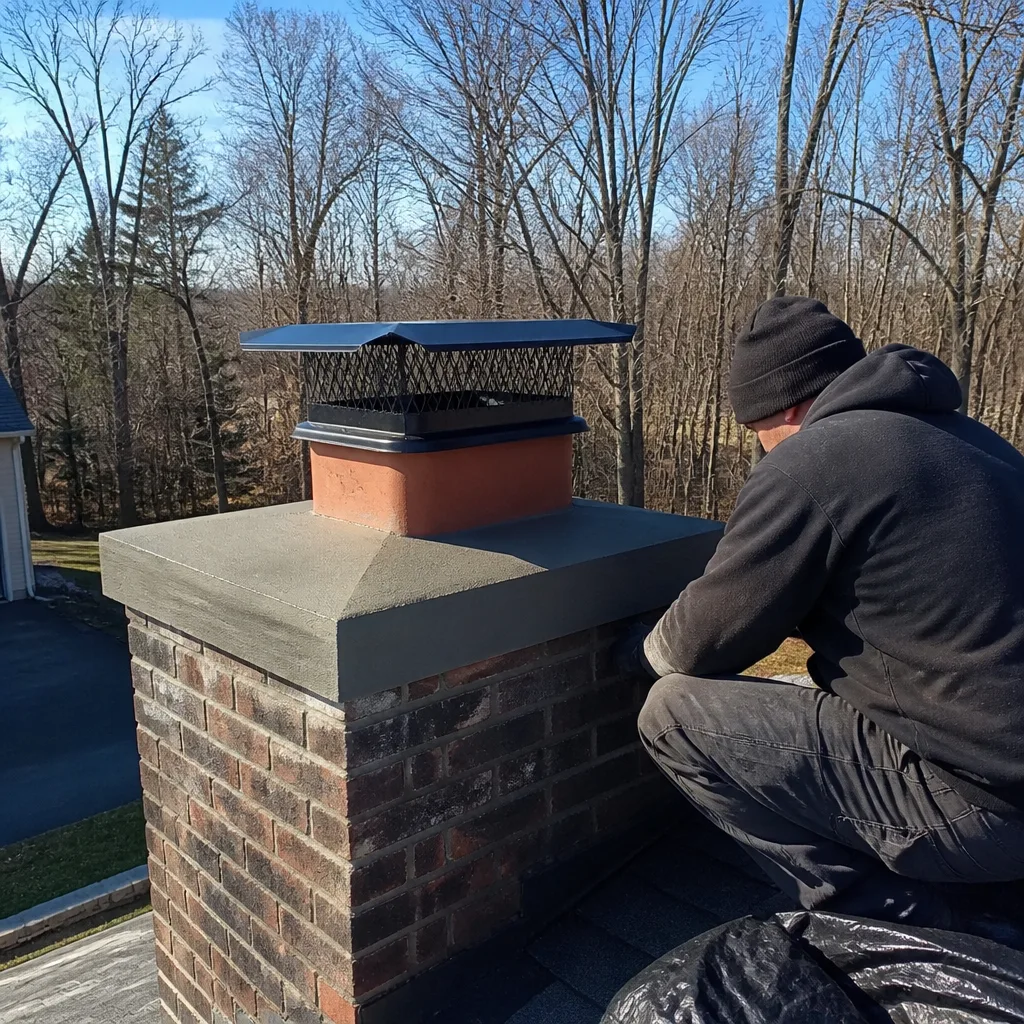 After
AfterChimney Cleaning Permits, Codes & Inspections in PA: What You Need to Know
Here’s the counterintuitive truth most Phoenixville homeowners discover too late: the chimney sweep itself rarely needs a permit, but the repairs that cleaning reveals almost always do - something we cover in our Chimney Cleaning Warning Signs: A Phoenixville Homeowner’s Reference Guide. In 2023, we inspected a colonial on Wheatland Street where a previous owner had relined the flue with a stainless liner, no permit, no inspection. The new buyers’ title search flagged it. The sale stalled for six weeks while they retroactively permitted work that should have been documented from day one. Pennsylvania’s Uniform Construction Code doesn’t regulate sweeping, but it absolutely regulates what comes after - and the gap between those two realities costs homeowners thousands.
This guide - alongside our The Complete Guide to Chimney Cleaning in Phoenixville - explains exactly where Pennsylvania’s permit line sits, how NFPA 211 inspections intersect with state law, and why the documentation method your sweep chooses determines whether you’ll pass a municipal inspection, satisfy your insurer, or clear a title search in Chester County.
Quick Answer
Chimney cleaning and sweeping - detailed in our Chimney Cleaning & Sweep Maintenance Checklist for Phoenixville Homeowners - do not require a permit under Pennsylvania’s Uniform Construction Code. However, liner installations, firebox rebuilds, crown replacements, structural repairs, and any work affecting the building envelope or combustion venting system typically do require a UCC permit through your municipality. In Phoenixville and surrounding Chester County townships, a documented NFPA 211 Level 2 camera inspection satisfies both insurer requirements and municipal inspection prerequisites for permitted work.
Table of Contents
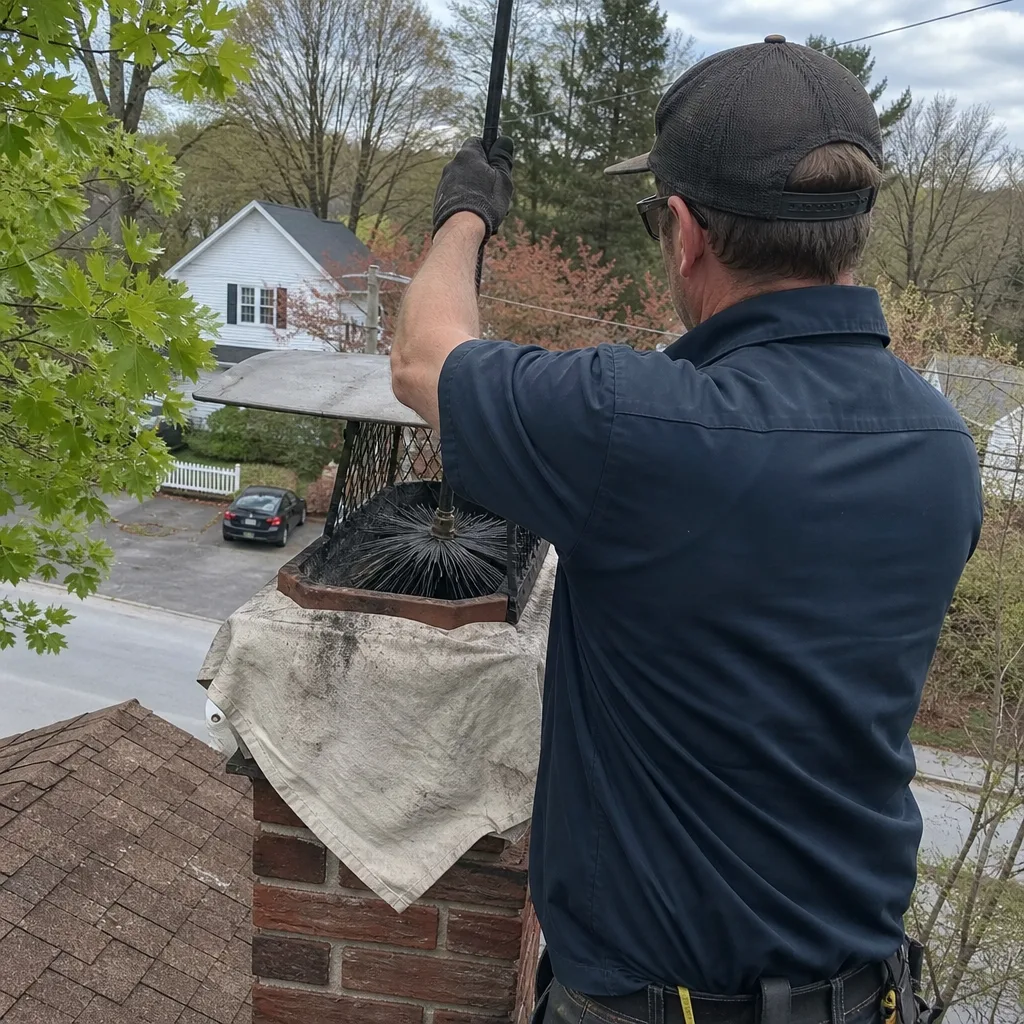
- What Requires a UCC Permit vs. What Doesn’t
- How NFPA 211 Level 2 Inspections Are Triggered
- Phoenixville and Chester County Municipal Requirements
- How Camera Documentation Satisfies Insurers and Inspectors
- The Permit Omission Problem in PA Home Sales
- What Compliance Costs in the Phoenixville Market
- Common Mistakes to Avoid
- When to Call a Professional
- Frequently Asked Questions
 Before
 After
AfterWhat Requires a UCC Permit vs. What Doesn’t
Pennsylvania’s Uniform Construction Code, adopted from the International Residential Code with state amendments, draws a sharp line between maintenance and modification. Understanding that line saves you from failed inspections and sale delays.
No Permit Required
- Routine chimney sweeping and cleaning - removal of soot, creosote, and debris from the flue, smoke chamber, and firebox. This is classified as maintenance under UCC Section R102.2.
- Top-sealing damper installation - when mounted to existing flue tile or liner without structural alteration.
- Chimney cap replacement - if the existing flue opening dimensions remain unchanged and no crown modification occurs.
- Fireplace glass door installation - surface-mounted units that don’t alter the firebox opening or venting configuration.
UCC Permit Required
- Chimney liner installation or replacement - any new liner, whether flexible stainless steel like DuraFlex, rigid, or cast-in-place systems such as HeatShield. This alters the venting system and requires inspection.
- Firebox rebuild or refractory panel replacement - structural work affecting the combustion chamber.
- Crown replacement or significant repair - when demolition exceeds 50% of the existing crown surface area, or when the crown height or slope is modified.
- Chimney rebuild above the roofline - any masonry reconstruction involving four or more courses, per most Chester County municipal interpretations.
- Smoke chamber parging - application of refractory mortar to reshape or seal the smoke chamber.
- Through-wall or exterior chase modifications - any alteration to the building envelope.
- Factory-built chimney system replacement - complete or partial replacement of listed chimney components.
The critical distinction: permits trigger when you change the system’s design, capacity, or materials. A sweep removes combustion byproducts. A liner installation changes how those byproducts exit your home. One is maintenance; the other is construction.
We’ve seen this confusion cost homeowners directly. In 2021, a Phoenixville homeowner on Fillmore Street hired a budget sweep who offered “liner installation as part of the package.” No permit was pulled. No inspection occurred. When the homeowner later filed an insurance claim after a minor chimney fire, the insurer denied coverage based on unpermitted alterations. The $2,400 “savings” on permit costs became a $12,000 uncovered repair.
How NFPA 211 Level 2 Inspections Are Triggered
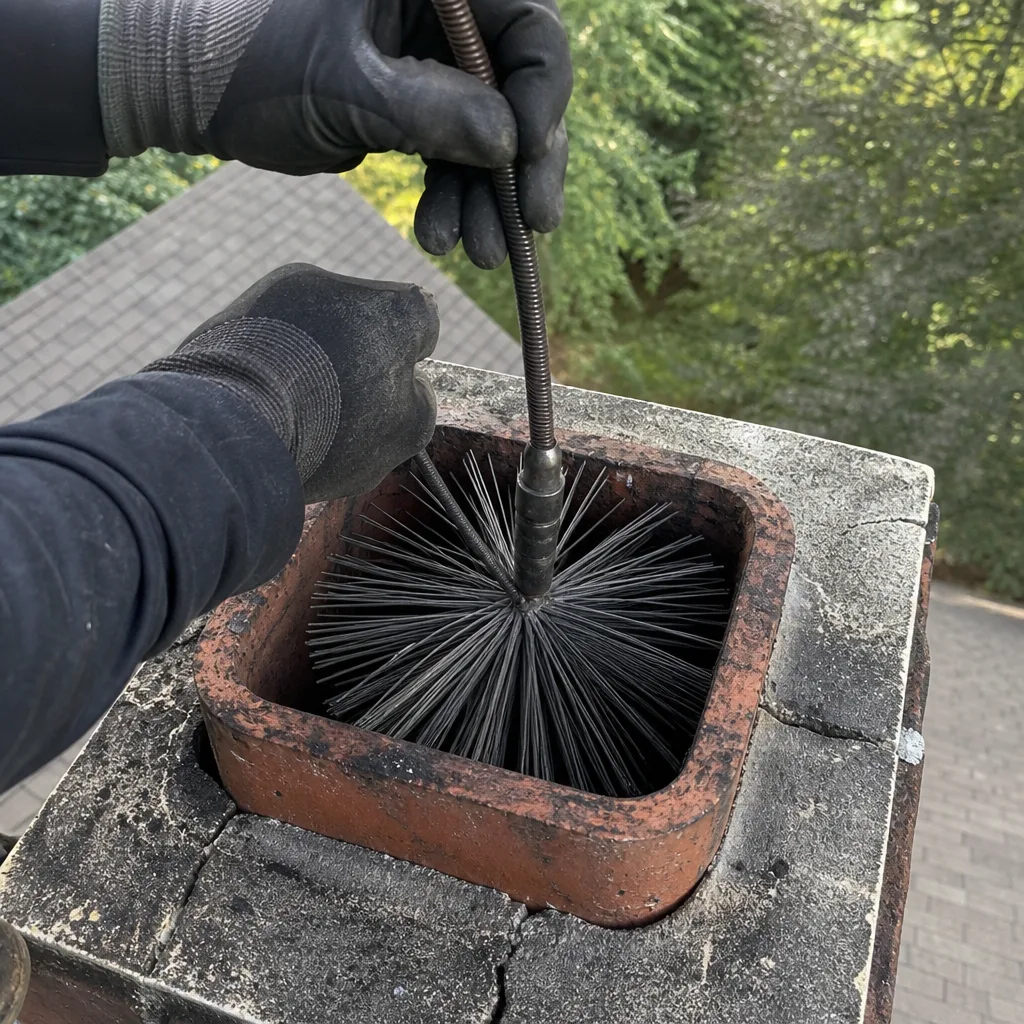
Pennsylvania’s UCC references NFPA 211, Standard for Chimneys, Fireplaces, Vents, and Solid Fuel-Burning Appliances, as the technical standard for solid-fuel venting systems. This matters because NFPA 211 defines three inspection levels, and Level 2 isn’t optional in specific circumstances - it’s the documented baseline the state code expects.
When Level 2 Is Required
- Change of property ownership. Every real estate transaction involving a home with a solid-fuel appliance triggers Level 2 under NFPA 211 15.2.2. In Phoenixville’s active market, where homes built 1890-1940 dominate the borough center, this applies to dozens of transactions monthly.
- Change of fuel type. Converting from wood to gas, or adding a pellet insert, changes combustion characteristics and requires full flue evaluation.
- After chimney fire, lightning strike, or seismic event. Any event that may have damaged the flue liner or structure mandates camera inspection to verify integrity.
- Before liner installation or significant repair. The pre-work condition must be documented to establish baseline and justify scope.
- After malfunction or operating problem. Smoke spillage, odor issues, or draft problems that don’t resolve with cleaning indicate concealed damage requiring visualization.
What Level 2 Actually Includes
Level 2 exceeds a flashlight-and-mirror look. It requires:
- Visual inspection of accessible portions of the chimney exterior and interior
- Inspection of accessible portions of the appliance and connection
- Video scanning or other means of observing internal surfaces and joints of flue liners - this is the camera component
- Inspection of accessible portions of the chimney in attics, crawl spaces, and basements
Level 1, by contrast, covers only readily accessible areas without specialized equipment. Level 3 involves demolition of building components and is reserved for suspected hidden hazards.
Here’s why this distinction carries legal weight in Pennsylvania: when a municipality inspects permitted chimney work, the inspector typically requests documentation that the existing condition was evaluated per NFPA 211 before modification. A Level 1 report with no camera footage doesn’t satisfy this. A Level 2 report with time-stamped video and written findings does.
We’ve performed Level 2 inspections in Phoenixville since 2009 - every one with a written price before we started and a documented photo record when we finished, per Clause 4 of the Haven Standard. That archive now exceeds 38,000 chimney records.
Phoenixville and Chester County Municipal Requirements
Municipal interpretation of the UCC varies across Chester County, and Phoenixville Borough maintains its own code enforcement office with specific procedures for chimney-related permits.
Phoenixville Borough
Phoenixville requires building permits for:
- All chimney liner installations (mechanical permit, typically $150-$400 depending on scope)
- Firebox rebuilds exceeding refractory panel replacement (building permit, $200-$500)
- Crown replacements where structural demolition exceeds 25 square feet (building permit)
- Chimney rebuilds above roofline involving more than four courses (building permit, $300-$600)
Phoenixville does not require permits for routine sweeping, cap replacements on existing flue openings, or top-sealing damper installations. The borough accepts NFPA 211 Level 2 inspection reports as supporting documentation for permit applications, which streamlines approval.
Permit turnaround in Phoenixville typically runs 5-10 business days for standard chimney work. The borough contracts with third-party inspectors for mechanical and building code compliance; your contractor must coordinate inspection scheduling.
Surrounding Chester County Townships
East Pikeland, West Vincent, and Schuylkill townships follow Chester County’s uniform permit application but with local variations:
- East Pikeland Township: Requires separate mechanical permit for liner installations; accepts video documentation from Level 2 inspections as pre-approval evidence. Permit fees range $180-$350.
- West Vincent Township: Mandates fire code inspection for all solid-fuel appliance modifications, coordinated through the township fire marshal. This adds 3-5 days to project timeline.
- Schuylkill Township: Requires engineered drawings for chimney rebuilds exceeding 120 inches in height above roofline - uncommon for residential but relevant for historic homes with tall chimneys.
Spring-Ford and Owen J. Roberts school district areas see significant variation in enforcement stringency. We’ve observed that townships with higher home sale volumes - particularly those with 1990s-2010s construction - tend to scrutinize chimney permits more closely during title transfers.
Climate factors specific to this region affect inspection timing. Phoenixville’s freeze-thaw cycles, with temperatures swinging from single digits to 50°F across a typical January week, accelerate crown and mortar deterioration. Municipal inspectors in Chester County are familiar with spalling brick and deteriorated crown conditions; they look for proper slope, overhang, and sealant specification in repair documentation. We specify Olympia Chimney and Gelco components in our permit applications because these manufacturers publish engineering data that inspectors recognize.
How Camera Documentation Satisfies Insurers and Inspectors
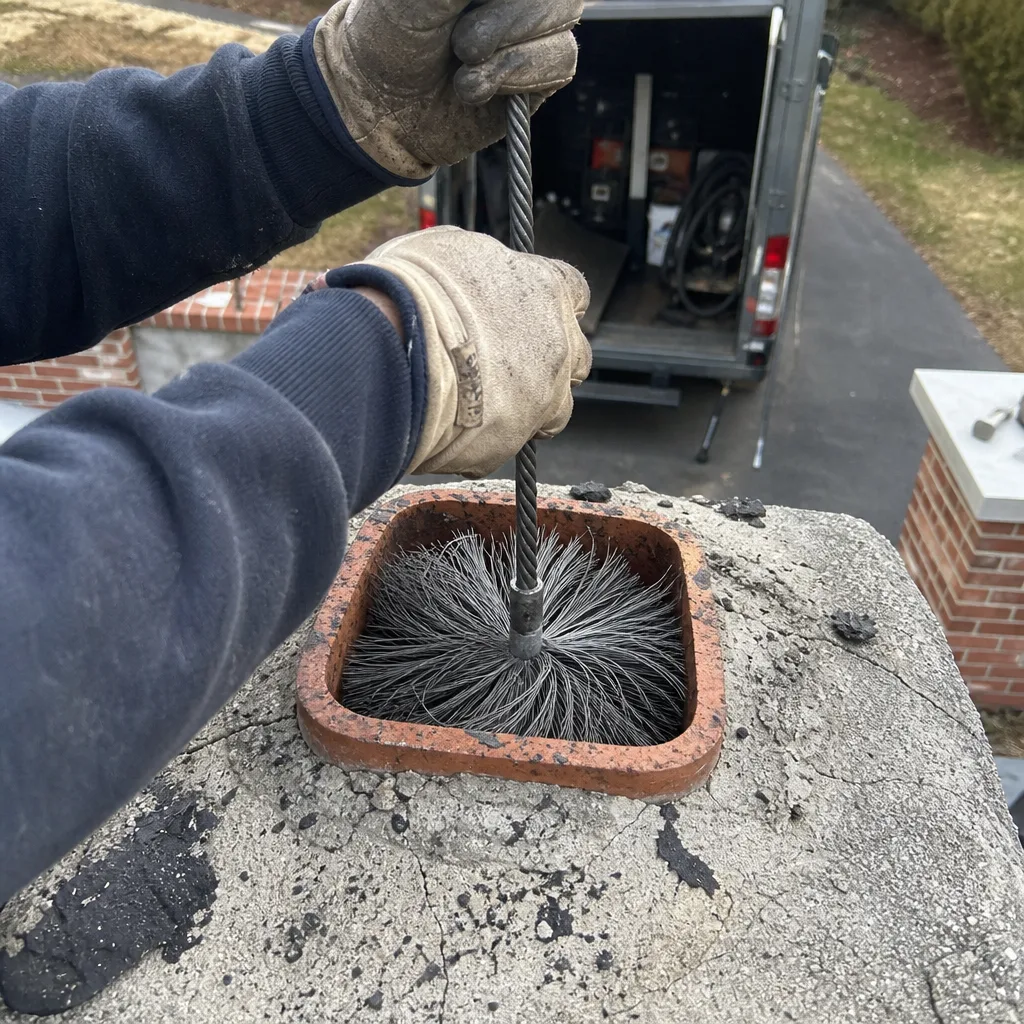
The intersection of insurance requirements, municipal code enforcement, and homeowner protection converges on one document: the recorded, time-stamped video inspection of your flue’s interior condition.
What Inspectors Need to See
Municipal inspectors in Pennsylvania evaluate chimney work against three criteria:
- Pre-existing condition documentation. Was the flue damaged before work began? A camera scan establishes baseline, preventing disputes about whether cracks were pre-existing or caused by the contractor.
- Installation compliance with manufacturer specifications. Liner installations must match the appliance’s venting requirements. Camera footage verifies proper sizing, connection, and termination.
- Clearance to combustibles. NFPA 211 specifies minimum clearances between chimney components and framing. Camera inspection with measurement documentation proves compliance in concealed spaces.
What Insurers Require After Claims
Homeowner insurance policies in Pennsylvania typically include language requiring “proper installation per manufacturer specifications and applicable code” for chimney-related claims. When a chimney fire or carbon monoxide event occurs, insurers investigate:
- Whether the system was maintained (sweeping records)
- Whether modifications were permitted and inspected
- Whether the condition at time of loss was documented
The camera inspection creates a contemporaneous record that addresses all three. We’ve provided archived inspection footage to insurers on behalf of Phoenixville homeowners three times in the past four years. In each case, the documented record supported the claim because it proved proper maintenance and pre-loss condition.
Clause 4 of the Haven Standard requires this documentation on every job - not as an upsell, but as standard practice. We’ve maintained this archive since 2009. The photo record includes: date and time stamps, technician identification, equipment calibration records, and written findings correlated to video timestamps. When a Phoenixville homeowner needs to prove compliance, they have evidence, not memory.
The Documentation Gap Most Sweeps Leave
Most chimney companies in the Phoenixville market offer “inspections” that consist of a flashlight look from the firebox and a verbal summary. This creates three vulnerabilities:
- No record exists for permit applications
- No evidence exists for insurance claims
- No baseline exists for future comparison
The Chimney Cleaning & Sweep in Phoenixville page details our full process, but the relevant point here: our default inspection level is NFPA 211 Level 2 with camera documentation, not Level 1 with a flashlight. We made this choice in 2009, before regulators or insurers asked for it, because the evidence standard we would want as homeowners exceeded what the industry offered.
The Permit Omission Problem in PA Home Sales
This is where chimney permit compliance becomes financially consequential. Pennsylvania’s real estate disclosure form (Seller’s Property Disclosure Statement, Standard Form SPD) requires sellers to disclose “any work performed without required permits.” Chimney work is explicitly included in the form’s examples.
How Unpermitted Work Surfaces
Three mechanisms reveal unpermitted chimney work during Pennsylvania home sales:
- Title search and municipal lien letters. Many Chester County municipalities now include building permit history in lien letters issued for real estate closings. Phoenixville Borough began this practice in 2019.
- Buyer inspection findings. Home inspectors increasingly note discrepancies between visible chimney modifications and permit records. A stainless liner visible from the cleanout with no corresponding permit triggers further investigation.
- Insurance verification. Buyers’ insurers may require proof of proper installation for solid-fuel appliances, particularly in homes with wood-burning fireplaces or pellet stoves.
The Remediation Cost
When unpermitted work is discovered, sellers face three options, none attractive:
- Retroactive permitting. Apply for permit after the fact, which typically requires exposing work for inspector verification. Cost: $1,500-$4,000 plus permit fees, depending on accessibility.
- Credit to buyer. Negotiate sale price reduction covering estimated remediation. Buyers’ agents typically demand 150-200% of actual cost to cover uncertainty.
- Work removal and reinstallation. In extreme cases, particularly with liner installations lacking proper clearances, complete removal and compliant reinstallation. Cost: $3,000-$8,000.
In 2022, we consulted on a Phoenixville borough home where the seller had installed a wood insert with a flexible liner in 2018, no permit. The buyer’s insurer flagged it three weeks before closing. The seller paid $2,800 for retroactive permitting, including partial demolition to verify clearance to combustibles, plus a $400 permit fee. The delay cost the buyer their rate lock, adding $3,200 in mortgage costs they successfully negotiated as seller credit.
The original sweep had offered “we handle everything” without specifying permits. The homeowner assumed compliance. The documentation gap - no camera inspection, no permit application, no written scope - left no trail to prove or disprove proper installation.
Our Chimney Repair in Phoenixville services include permit coordination as standard for all work requiring UCC approval. We pull permits, schedule inspections, and include permit costs in our written price before work begins - Clause 1 of the Haven Standard. The homeowner receives permit documentation with their job record.
What Compliance Costs in the Phoenixville Market
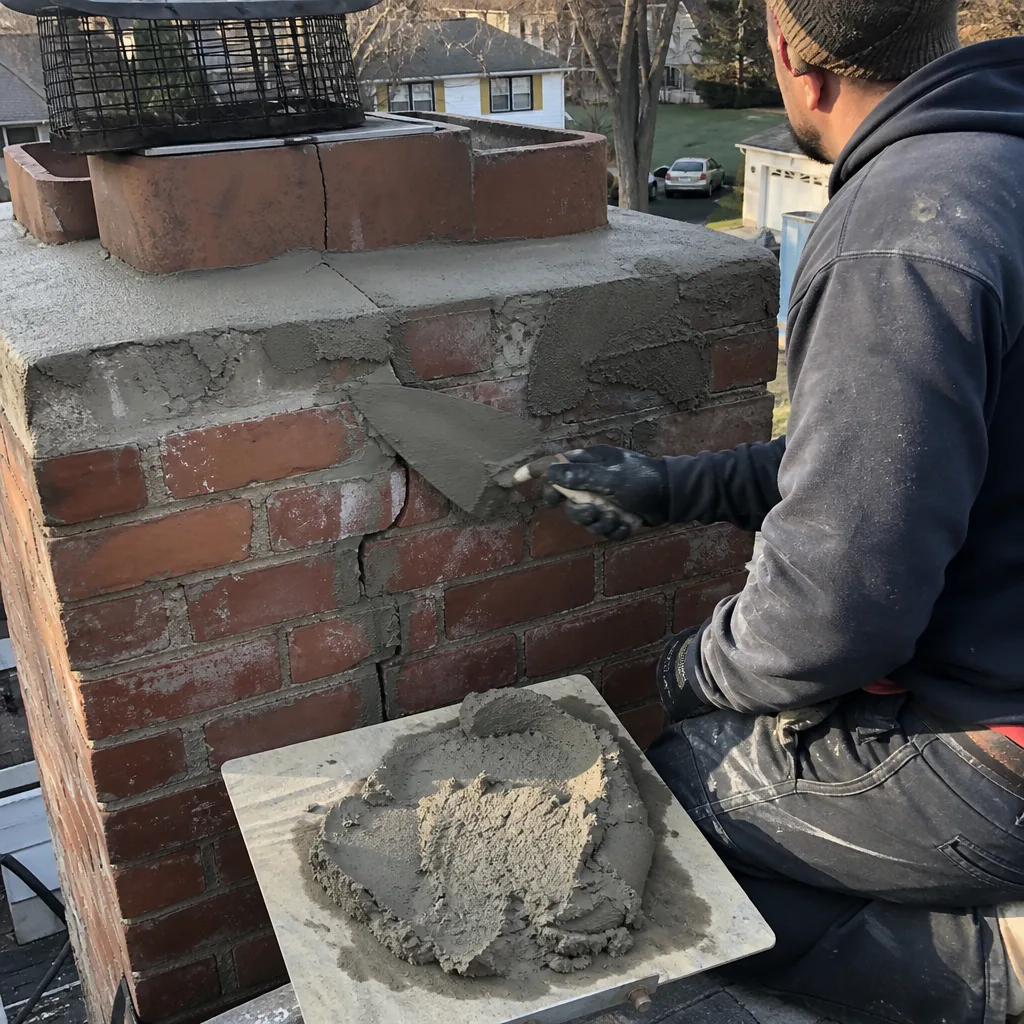
Transparent pricing matters for homeowner decision-making. These ranges reflect Phoenixville and Chester County market conditions as of 2024-2025, based on our permit coordination experience and municipal fee schedules.
Permit Costs by Municipality
| Work Type | Phoenixville Borough | East Pikeland Twp | West Vincent Twp | Schuylkill Twp |
|---|---|---|---|---|
| Liner Installation (mechanical) | $150-$250 | $180-$280 | $200-$320 | $160-$260 |
| Firebox Rebuild (building) | $200-$350 | $220-$380 | $250-$400 | $210-$360 |
| Crown Replacement (building) | $150-$250 | $160-$270 | $180-$300 | $150-$260 |
| Chimney Rebuild (building) | $300-$500 | $320-$550 | $350-$600 | $310-$520 |
These fees exclude third-party inspection costs where applicable, typically $75-$150 per inspection visit.
Level 2 Inspection Costs
Our Level 2 inspection with camera documentation, written findings, and photo record: $275-$375 for standard single-flue systems in Phoenixville. Multi-flue systems, historic chimneys with irregular construction, or systems requiring access through finished spaces may range higher. Every inspection includes the documented photo record under Haven Standard Clause 4.
Total Compliance Cost Example
Typical stainless steel liner installation in a Phoenixville colonial:
- Liner and materials (DuraFlex or equivalent): $1,800-$2,800
- Labor and installation: $1,200-$1,800
- Permit (Phoenixville Borough): $150-$250
- Level 2 pre-installation inspection: $275-$375
- Final inspection coordination: included
- Total with full compliance: $3,425-$5,225
Comparable quotes without permit or inspection documentation may appear $400-$600 lower. The gap represents exactly the cost of compliance that protects your insurance coverage, saleability, and safety.
We provide written prices before any work starts, always, with permit costs itemized - not hidden in “administrative fees.” Our Fireplace Services in Phoenixville page details appliance-specific pricing.
Common Mistakes to Avoid
- Assuming “inspection” means the same thing from every company. Ask specifically: “Is this NFPA 211 Level 2 with video documentation?” If the answer involves hesitation or “our technician will assess on site,” you’re likely getting Level 1.
- Accepting “we’ll handle permits” without written confirmation. Demand the permit application number before work begins. In Phoenixville, permit numbers follow format PX-2025-XXXXX and are verifiable through borough code enforcement.
- Skipping pre-sale inspection when buying a home with a fireplace. The Seller’s Property Disclosure is not verification. A Level 2 inspection before closing identifies unpermitted work while you still have negotiation leverage.
- Confusing cap replacement with crown replacement in permit requirements. Caps mount on existing flue openings; crowns are the concrete slab sealing the chimney top. Crown work frequently requires permits where cap work doesn’t, but contractors sometimes blur the distinction.
- Failing to request manufacturer documentation for liner materials. Insurers and inspectors verify that installed liners match appliance specifications. We source DuraFlex, HeatShield, and other materials with full specification sheets included in job records.
- Ignoring township-specific fire marshal requirements. West Vincent Township’s fire marshal inspection for solid-fuel modifications catches homeowners who assumed building permit alone was sufficient.
- Discarding inspection records after “routine” cleaning. Your documented maintenance history supports future claims, sales, and warranty coverage. We archive all records and provide homeowners copies at no charge.
When to Call a Professional
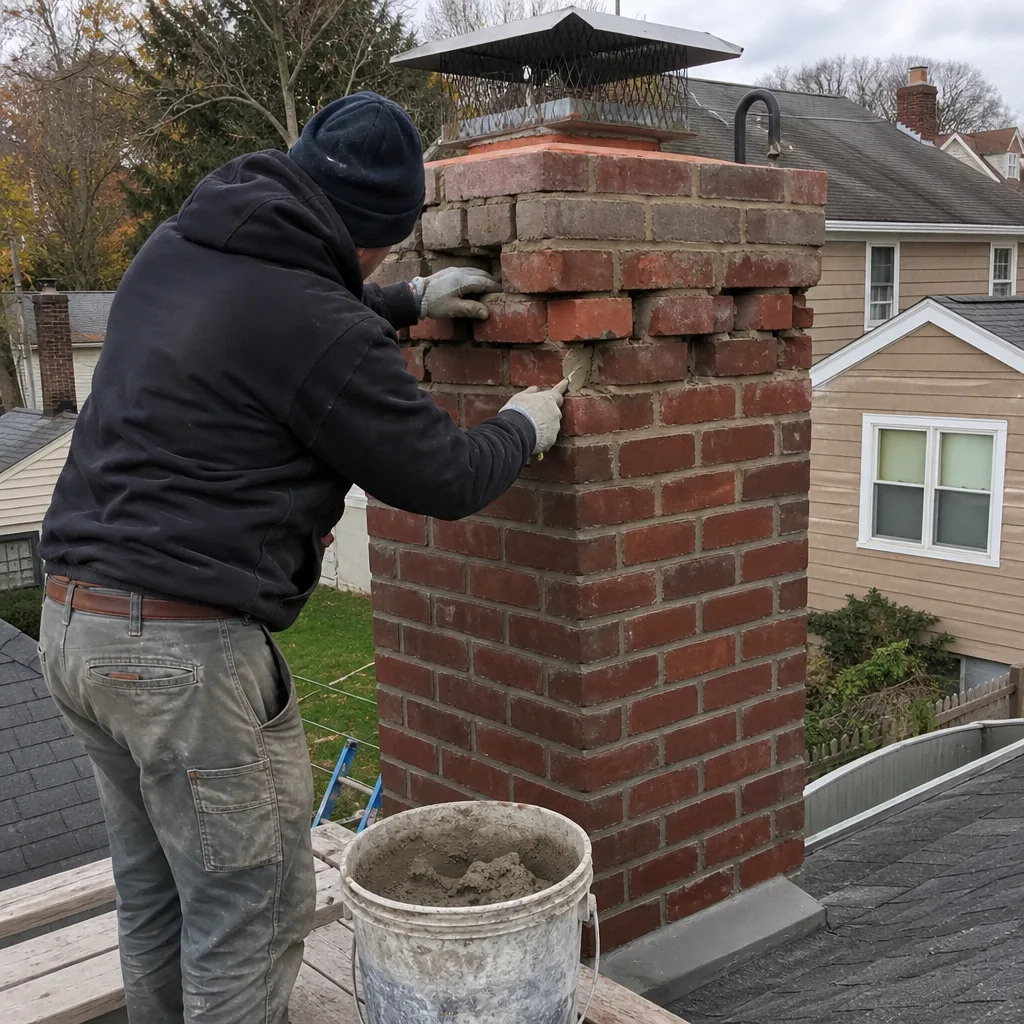
Call for a Level 2 inspection before you buy a home with any solid-fuel appliance, after any chimney fire or suspected damage, before converting fuel types, and whenever you’re considering liner installation or structural repair. The cost of documentation is minor against the cost of discovering unpermitted work during a sale.
If you’re selling a Phoenixville home and aren’t certain whether past chimney work was permitted, a preemptive Level 2 inspection identifies issues before the buyer’s inspector does. We can coordinate retroactive permitting where needed, though prevention is always less expensive.
Level Two Chimney Phoenixville offers free estimates in Phoenixville - call (610) 321-5157 - and you can find more guides & resources on our blog. Our written price includes permit costs where applicable, and every job carries the 365-Day Done Right Promise. We also provide free second opinions on any competitor’s written estimate; bring us their scope and we’ll compare documentation standards, permit inclusion, and warranty terms directly.
Frequently Asked Questions
Pennsylvania does not require a state-level chimney sweep license, but municipalities may require business registration or contractor licensing. More importantly, no license substitutes for documented inspection methodology - ask whether your sweep follows NFPA 211 and can provide camera documentation of findings. In Phoenixville, we’ve seen unlicensed operators perform sweeps that missed critical liner damage because they lacked both training and equipment.
A standard sweep with Level 1 visual inspection typically runs $175-$275 in the Phoenixville market. Our default service includes NFPA 211 Level 2 camera inspection at $275-$375, which provides the documented record most homeowners need for insurance, sale, or repair planning. Call (610) 321-5157 for an exact quote - estimates are free.
NFPA 211 recommends annual inspection for all solid-fuel systems, with cleaning frequency determined by creosote accumulation. In Chester County’s climate - where homeowners often burn October through April, and spring humidity accelerates creosote absorption - we typically recommend sweeping after every cord of wood burned or annually, whichever comes first. Pellet systems generally require annual cleaning due to fly ash accumulation in venting components.
Clay tile flues are code-compliant when intact, properly sized for the appliance, and without cracks, gaps, or spalling. Our camera inspection reveals actual condition. We’ve documented clay flues in Phoenixville’s 1920s housing stock that remain serviceable after 90 years, and others that failed after 15 due to thermal shock from improper appliance sizing. Nothing is recommended without camera evidence you can see for yourself, and we plainly state when clay flue condition allows continued use with annual monitoring.
Accumulated creosote creates combustible deposits that can ignite at temperatures above 1,000°F, causing chimney fires that damage liners and spread to framing. Blocked or deteriorated flues can vent carbon monoxide into living spaces. In Pennsylvania’s climate, freeze-thaw damage to exterior masonry accelerates when water intrusion combines with combustion byproducts. The specific risk depends on your system, fuel, and usage - which is exactly why camera inspection, not guesswork, determines necessary action.
Homeowners can act as their own contractors and pull permits for work on their primary residence in Phoenixville Borough, but the permit application still requires technical documentation that most homeowners lack: NFPA 211 compliance verification, manufacturer specifications for materials, and proof of proper clearances. We coordinate permits as part of our service because the documentation burden falls on whoever pulls the permit. Call (610) 321-5157 to discuss permit coordination for your project.
The Bottom Line
Pennsylvania’s chimney regulatory framework separates sweeping from construction, but homeowners experience the gap between those categories as surprise costs and sale delays. The sweep itself needs no permit; the liner installation, firebox rebuild, or crown replacement that follows almost always does. NFPA 211 Level 2 inspection with camera documentation isn’t a premium service - it’s the evidence standard that satisfies insurers, municipal inspectors, and title searches simultaneously. In Phoenixville’s active housing market, where historic homes and modern inspections intersect daily, documentation separates protected homeowners from those learning about permit requirements at the closing table.
We’ve maintained that documentation standard since 2009, across 38,000 chimney records, because the evidence you can show matters more than any claim we could make.
Written by Corrine Halstead, Owner at Level Two Chimney Phoenixville, serving Phoenixville since 2009.