
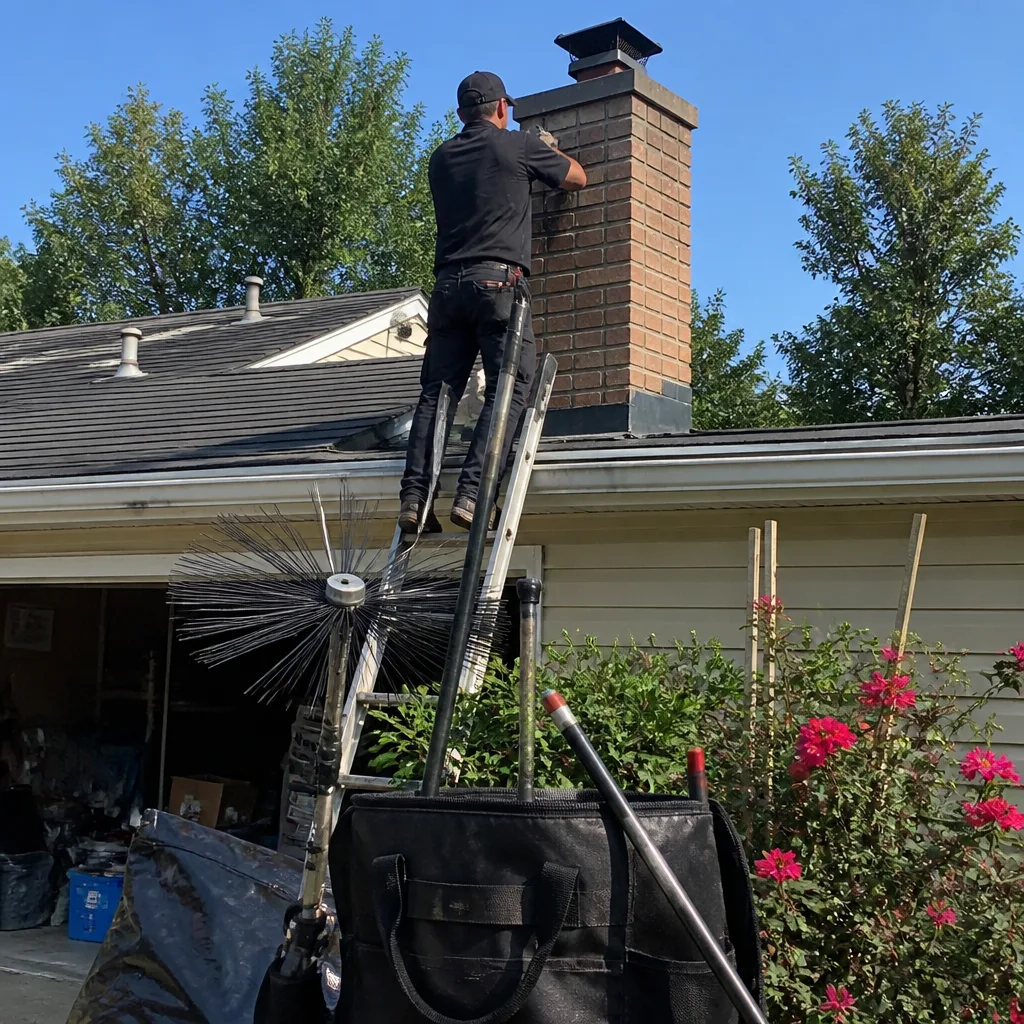
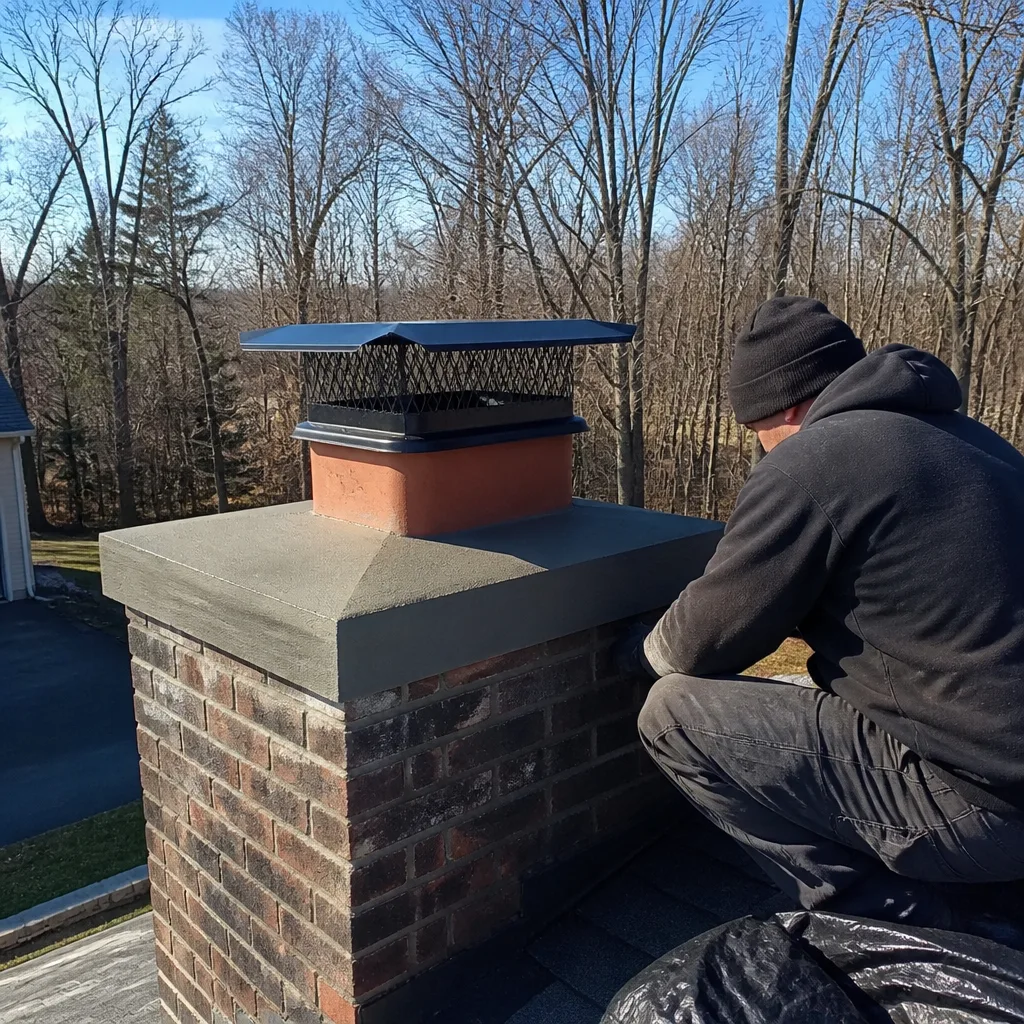
Level 1 sweep and inspection to the NFPA 211 annual standard - flue, crown, cap, and flashing checked and photographed
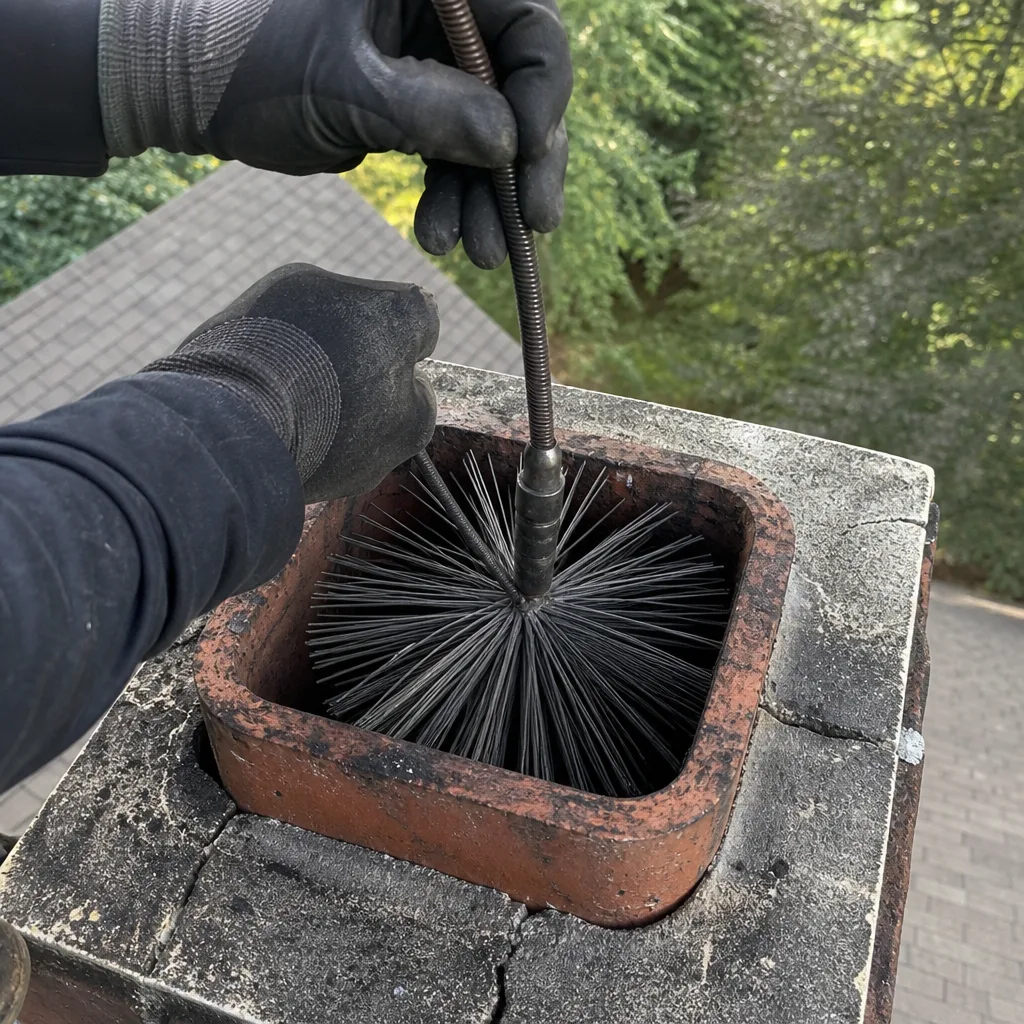
Chimney sweep logs do not sweep chimneys. They loosen some creosote - which then falls where a brush and vacuum still have to collect it.
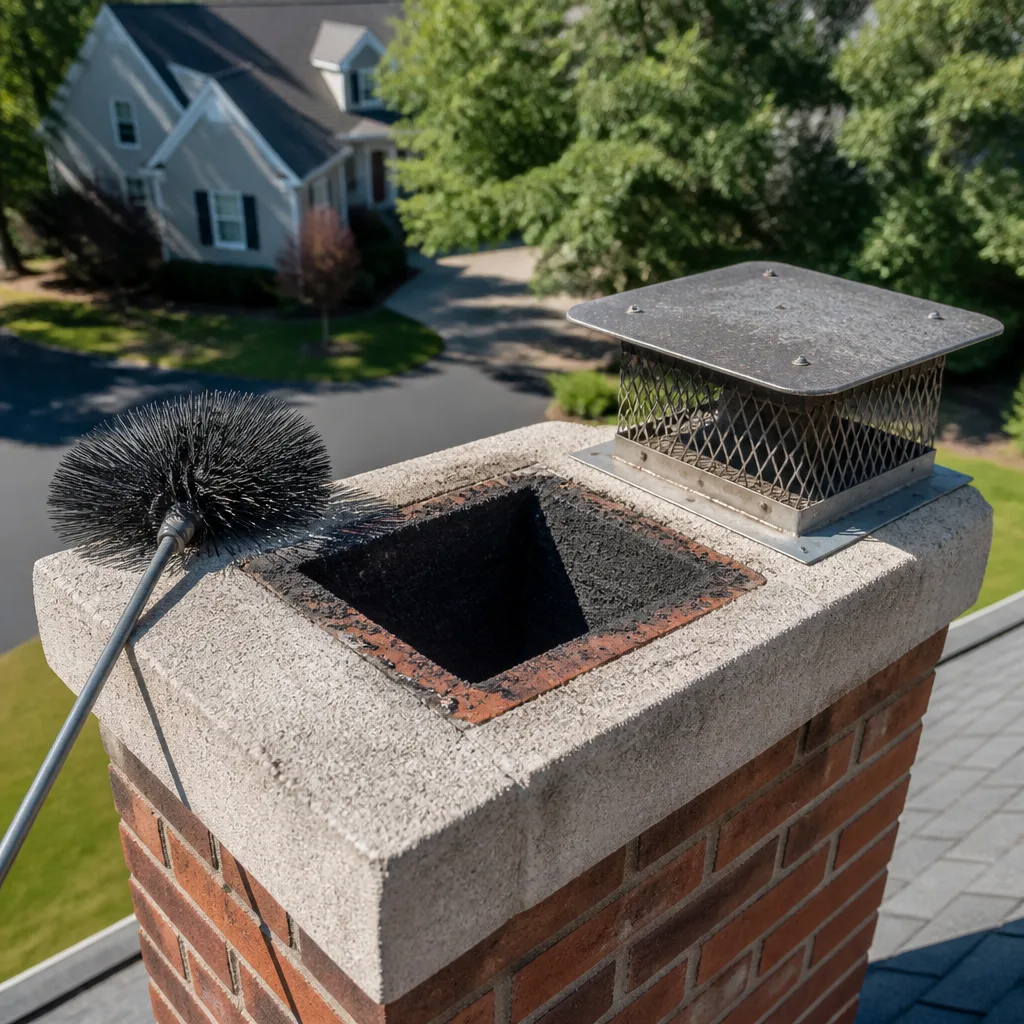
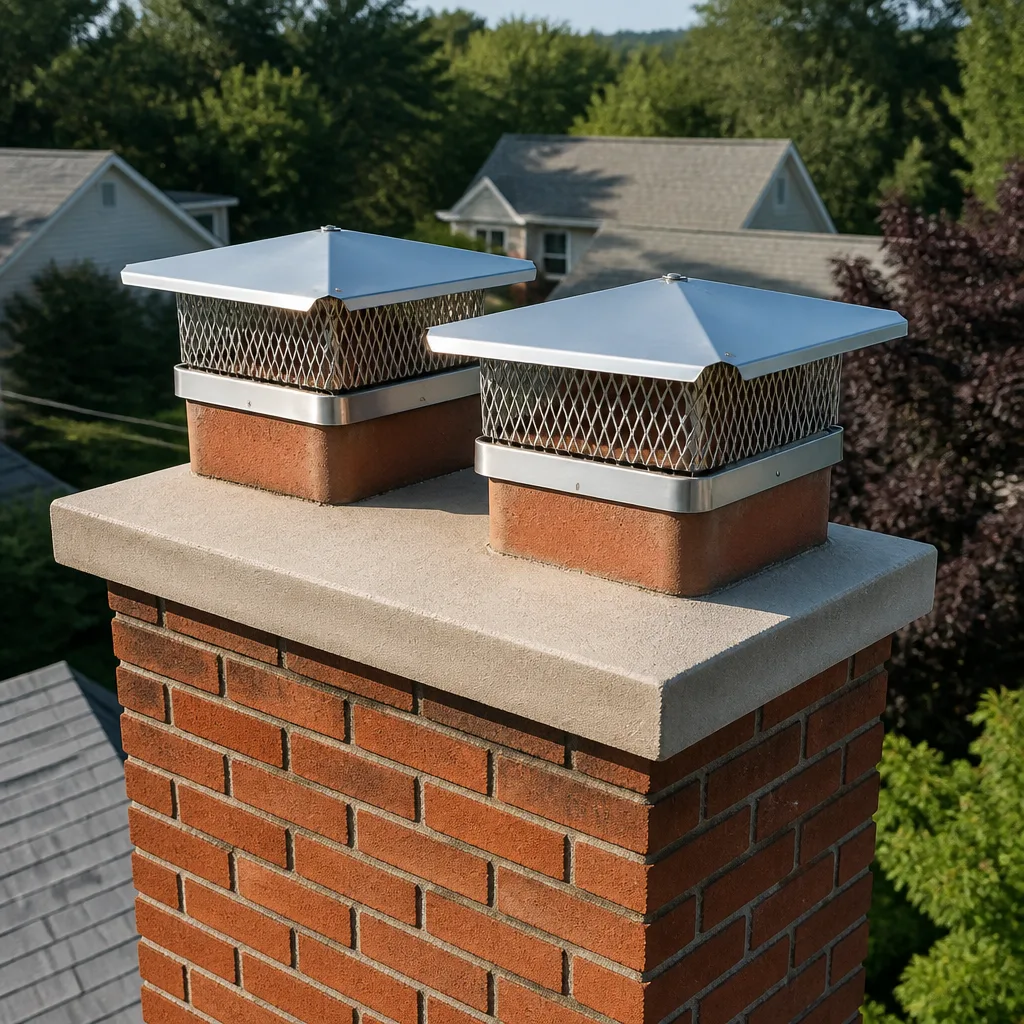
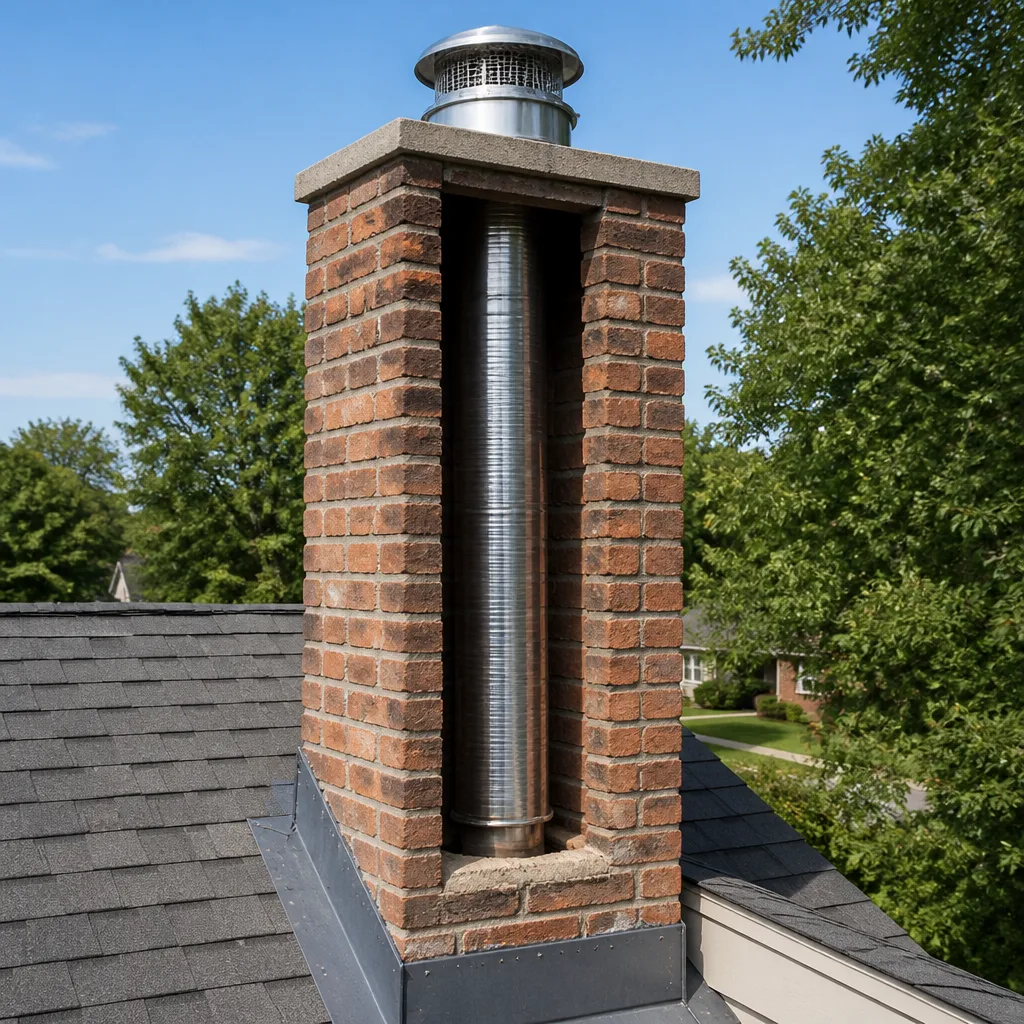
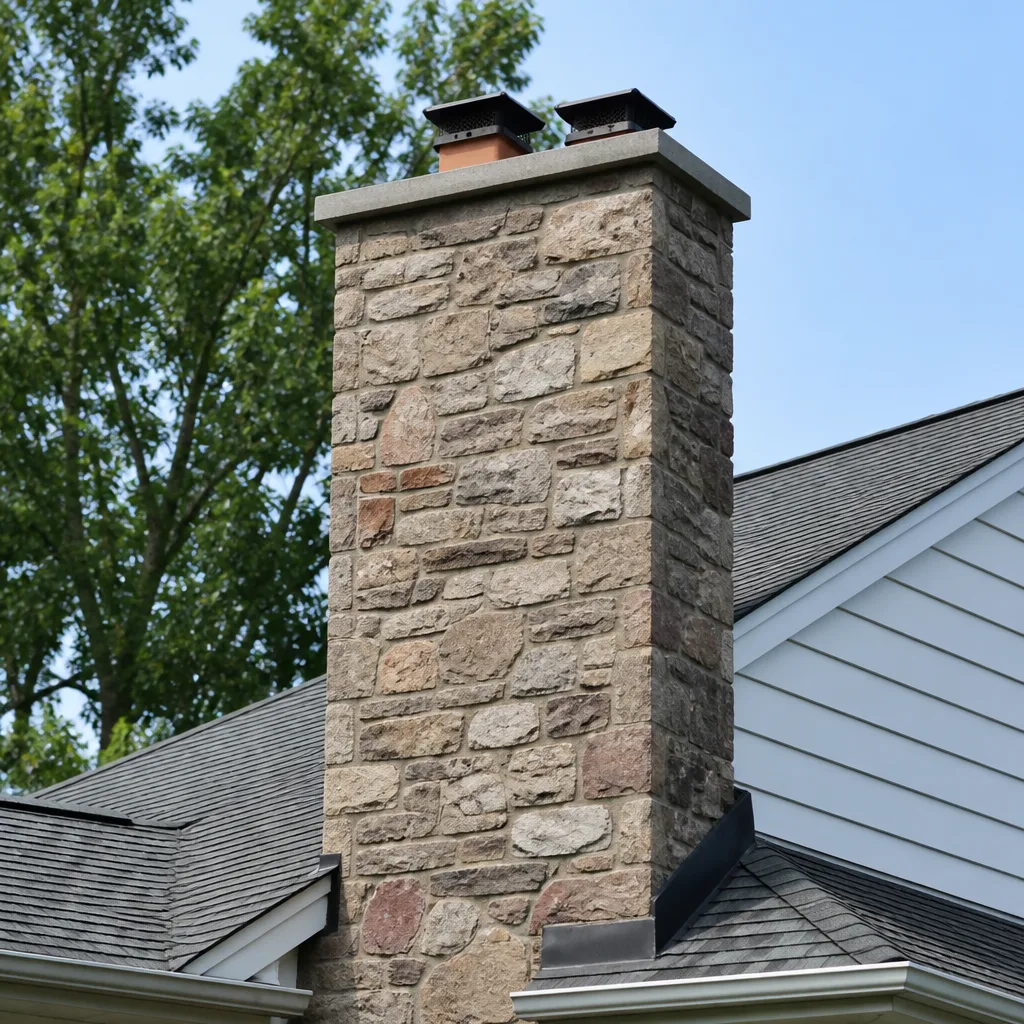
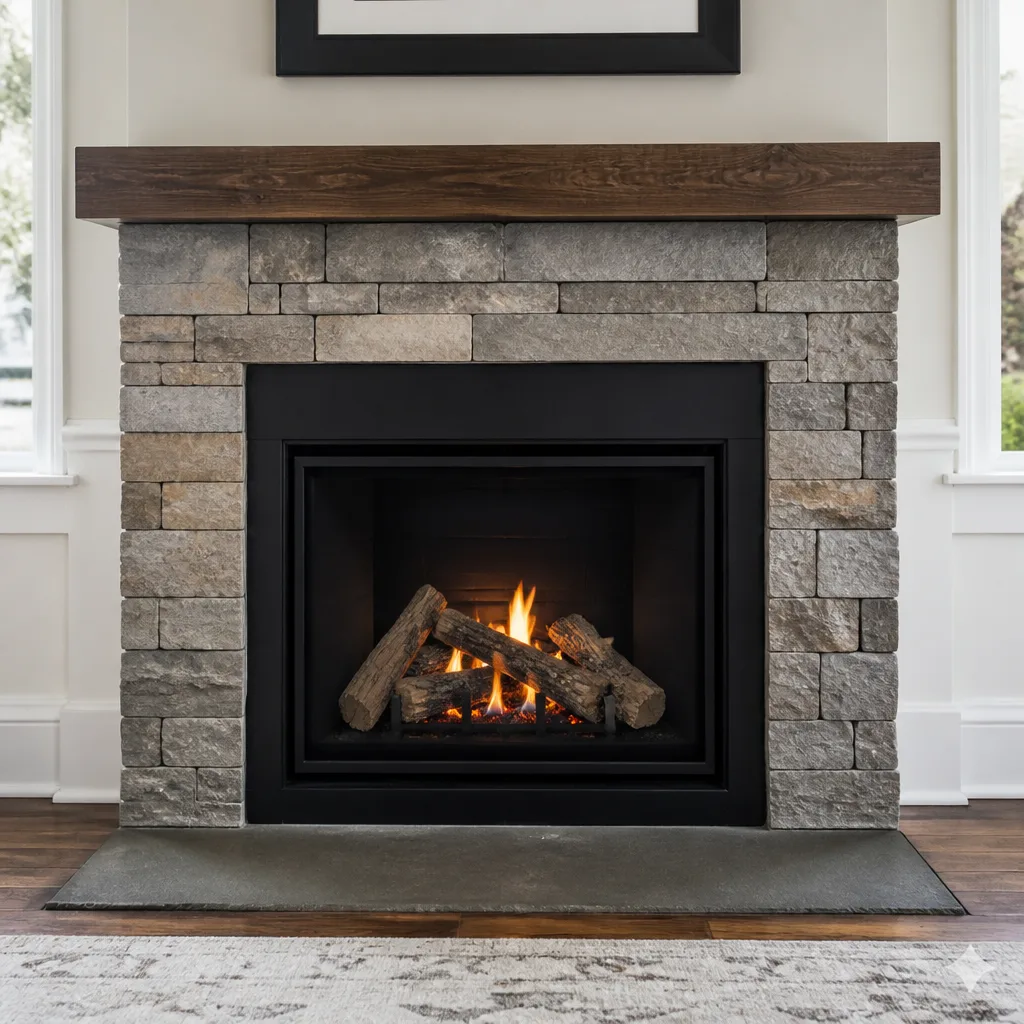
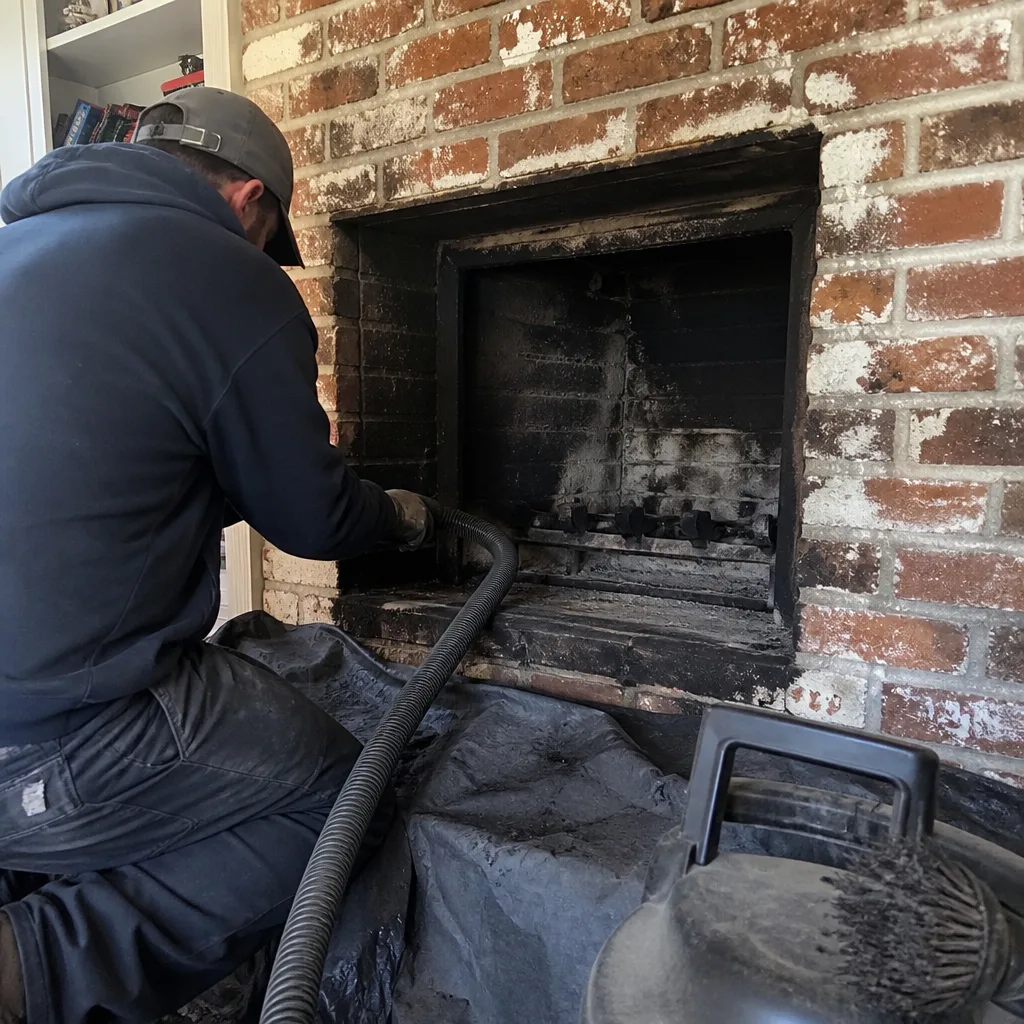 Before
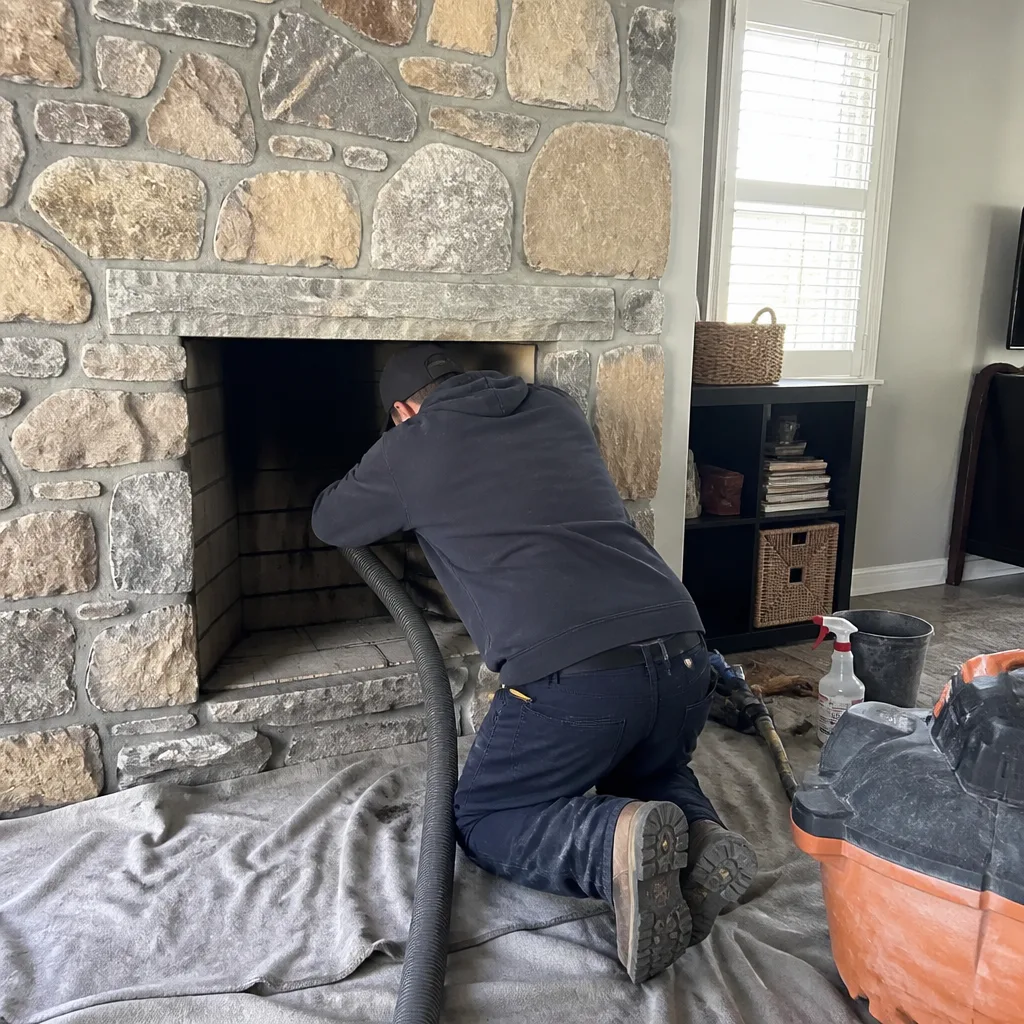 After
After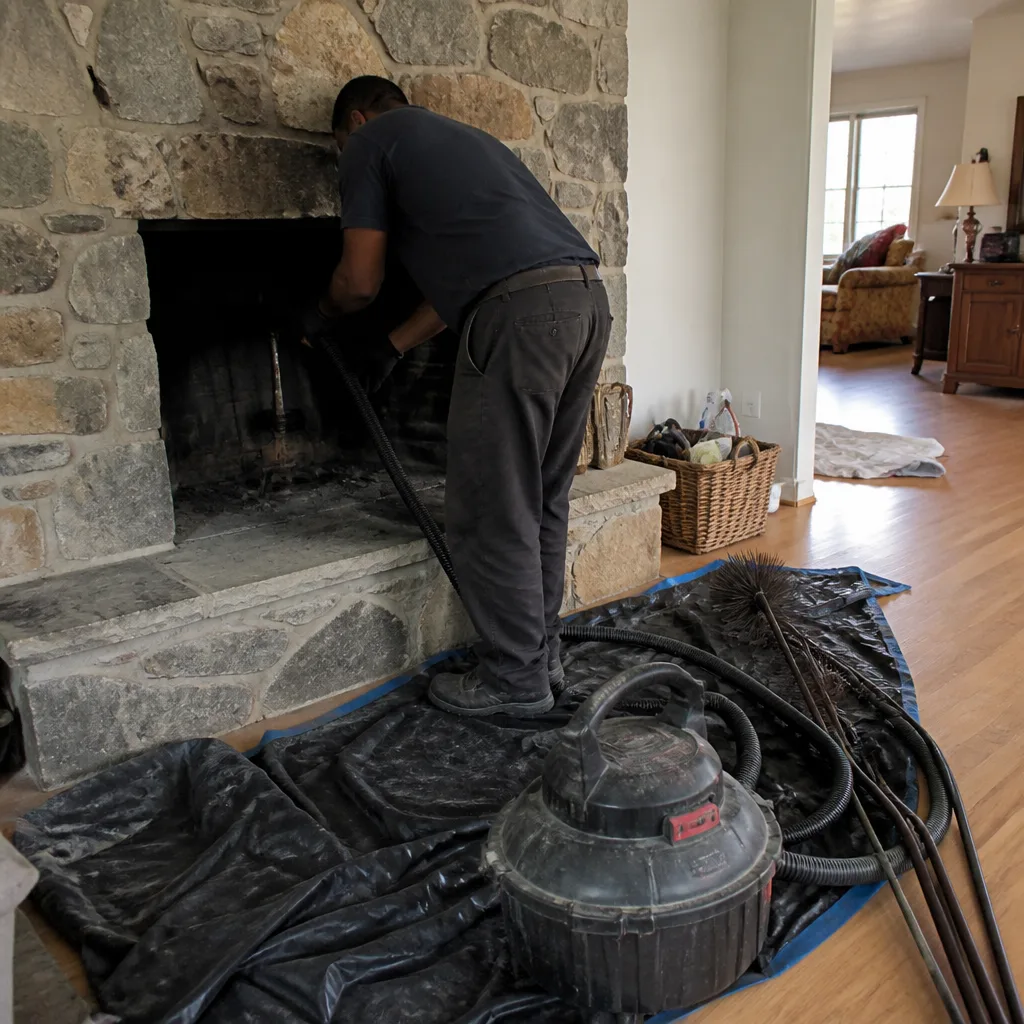 Before
 After
After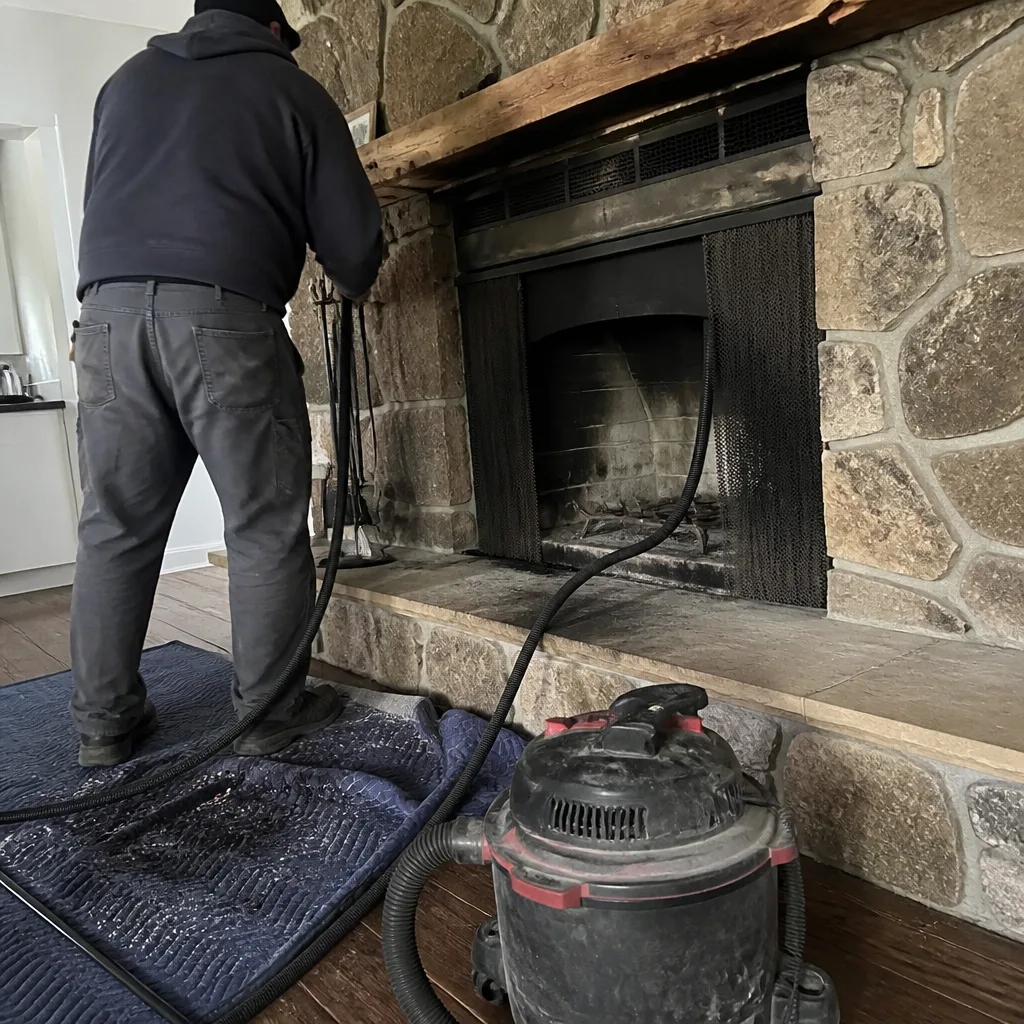 Before
 After
AfterFireplace Cleaning in Phoenixville, PA
Our Chimney Cleaning & Sweep services in Phoenixville typically run between $149 and $329, depending on the size of your firebox, the type of fuel burned, and how much creosote has accumulated in the smoke chamber above it. Most appointments are completed in 60 to 90 minutes, and every one of them ends with a written scope, a documented photo record, and a price you agreed to before anyone touched a brush. If you want to talk through what your fireplace actually needs, call us at (610) 321-5157 – a live person answers, every time, around the clock.
A lot of homeowners in Phoenixville treat fireplace cleaning as a once-every-few-years task. Given the older housing stock in the borough – the row homes on Bridge Street, the colonials out toward Kimberton, the split-levels in the Collegeville Road corridor – that interval is usually too long. Fireplaces in homes built between the 1940s and 1980s often have undersized smoke chambers and clay flue tile that has been patched, repointed, or just ignored. When creosote builds up in a smoke chamber that was already marginal, the risk goes up faster than it would in a newer, straighter flue.
Fireplace cleaning is a sub-service of our broader Chimney Cleaning & Sweep in Phoenixville work, but it deserves its own attention because the firebox, smoke shelf, and smoke chamber are the parts most homeowners never actually see – and the parts most likely to hide the conditions that cause chimney fires. We’ve completed more than 38,000 chimney inspections and cleanings since 2009, and every one of them started with a camera in the flue and a written price before work began. That’s not a tagline – it’s Clause 4 of the Haven Standard, and it hasn’t changed once.
When You Need Fireplace Cleaning
- You burned wood more than five or six times last season. Each fire deposits some amount of creosote – a tar-like byproduct of incomplete combustion – on the smoke shelf and smoke chamber walls. In Phoenixville winters, where wood-burning stoves and fireplaces often run from October through March, that adds up faster than most people expect.
- You smell something oily or sharp when the fireplace is cold. A persistent smoky or acrid odor coming from the firebox when there’s no fire burning is one of the clearest signs of Class II or Class III creosote. Class III is a glossy, tar-like deposit that requires specialized chemical treatment before mechanical cleaning – something worth knowing before the appointment, not during it.
- Smoke rolls into the room when you open the damper. This can mean a blocked flue cap, a partial obstruction from debris, or a smoke chamber geometry problem that cleaning alone won’t fix. We find this regularly in the older colonials off Nutt Road, where original smoke shelves have been painted over or partially filled by previous owners.
- You’ve never had a cleaning and you just bought the home. Home inspectors rarely put a camera down the flue. If you closed on a Phoenixville property without a dedicated chimney inspection, you don’t know what’s up there – and the previous owner probably didn’t either. A Level 2 inspection with camera documentation is the right starting point, and it’s included on every visit we do.
- You see dark staining around the firebox opening or on the lintel. Soot ghosting on the face of the fireplace usually means the smoke chamber isn’t drafting correctly, which pushes combustion byproducts into the room instead of up the flue. It’s a draft problem, but it often has a cleaning-related cause.
- It’s been more than a year since the last documented cleaning. The NFPA 211 standard recommends annual inspection and cleaning for any fireplace that sees regular use. If you can’t point to a written record from last season, it’s overdue.
Our Fireplace Cleaning Process
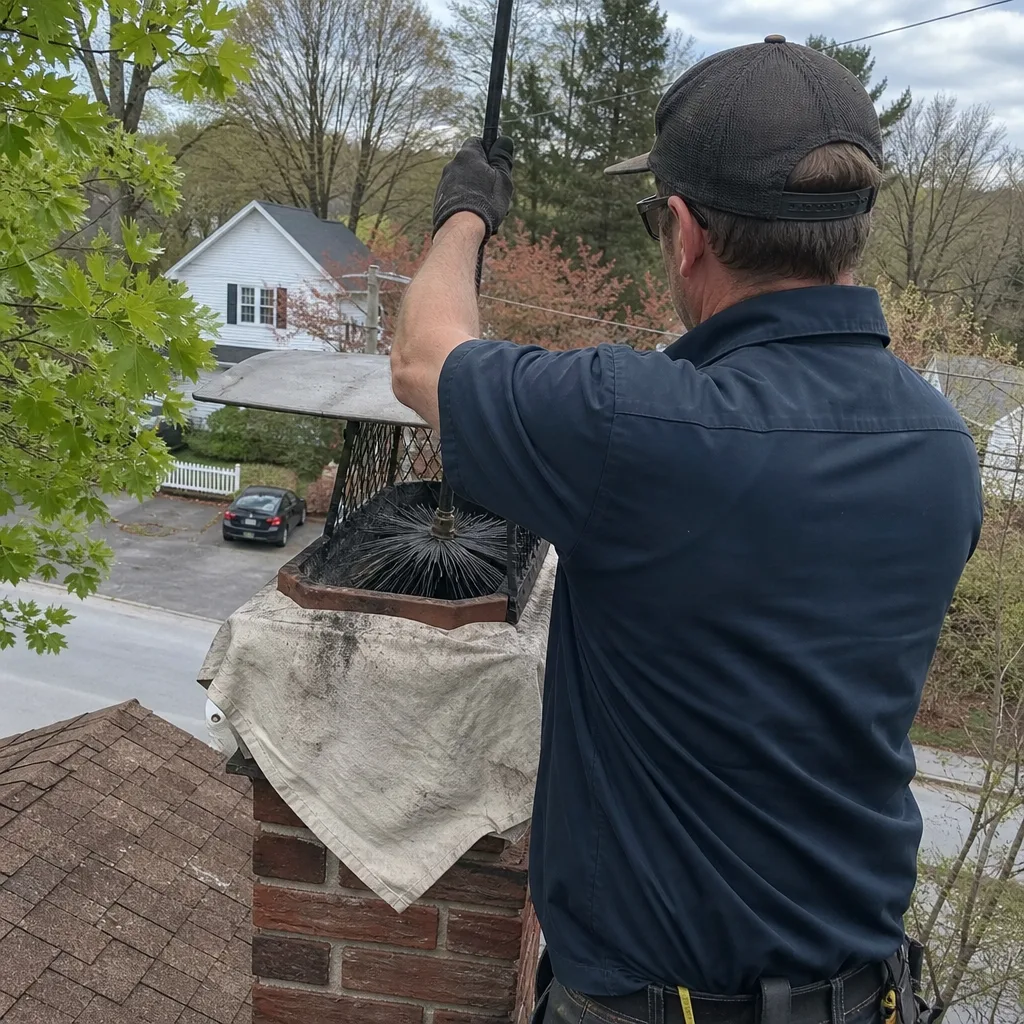
- Written price before anyone starts. Before the tech opens a single supply bag, you receive a written price and written scope. That’s Haven Standard Clause 1 – Have It In Writing. If the camera scan reveals a condition that changes the scope, we tell you before we proceed, not after. No one in Phoenixville should have to guess what a chimney cleaning will cost them mid-job.
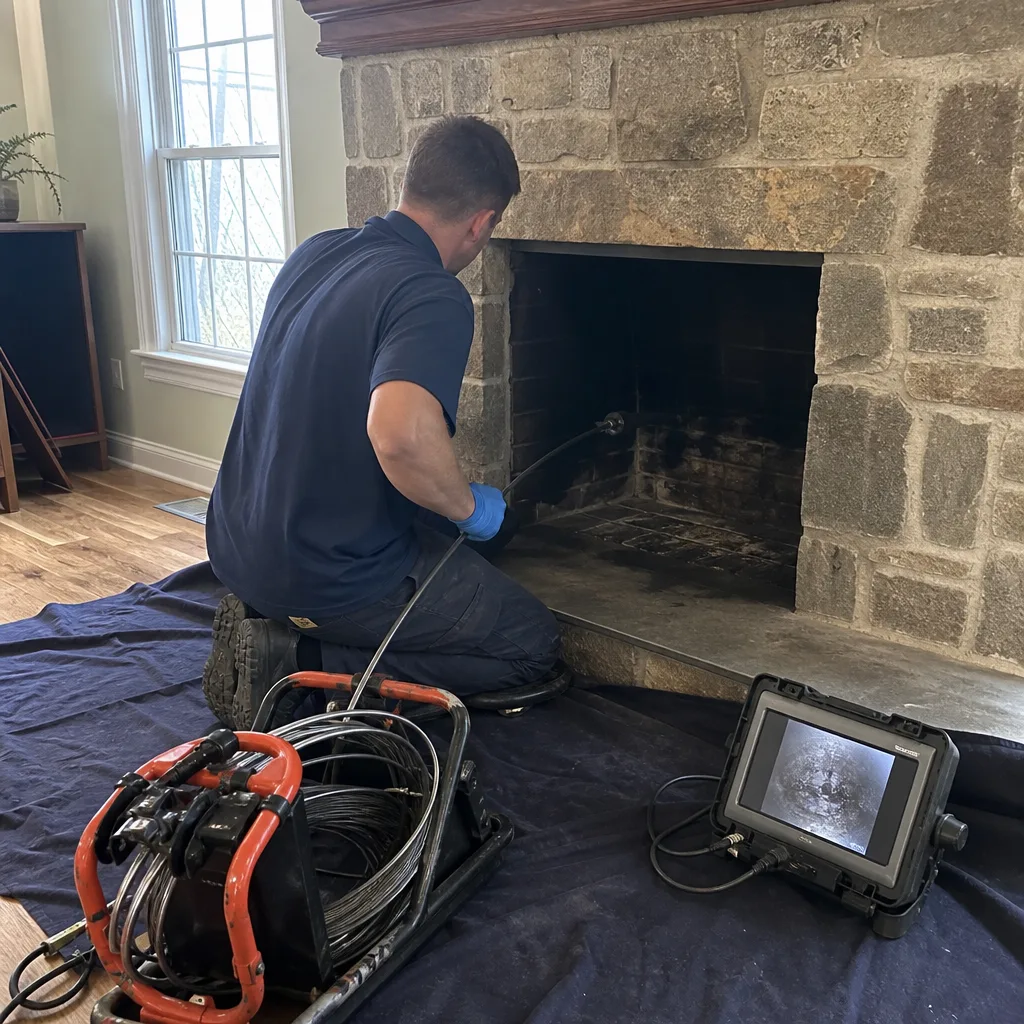
- Camera scan of the flue liner and smoke chamber. We run a camera from the top of the flue down through the smoke chamber before the brushes come out. This lets us see the actual condition of the clay tile liner, the mortar joints, and the smoke shelf before anything gets disturbed. We’re documenting what’s there, not estimating it. Corrine Halstead built this practice into our standard process in 2009 because a flashlight look from the firebox opening misses the sections where problems actually develop.
- Protective drop cloth and seal at the firebox opening. We seal the firebox opening with a dust panel and lay drop cloths across the hearth and surrounding flooring. The tech works under negative air pressure where conditions allow, so the fine ash and soot that gets mobilized during brushing doesn’t end up on your furniture. Phoenixville homes with hardwood floors and plaster walls are particularly unforgiving of a messy sweep.
- Mechanical cleaning of the firebox, smoke shelf, and smoke chamber. The smoke shelf – the horizontal ledge directly above the damper – is where debris, bird nesting material, and glazed creosote accumulate most heavily. We clean this by hand as well as with rotary brushes, because it’s a surface that brushes can miss at the edges. The smoke chamber walls above it get the same treatment. For Class III creosote deposits, we apply a Gelco-approved chemical conditioner before mechanical cleaning, which converts the glazed tar into a friable material that can actually be removed.
- Post-cleaning camera pass and photo documentation. Once the cleaning is done, we run the camera again. You get before-and-after photos – not a verbal description, not a “looks good” from the tech on the way out. The photo record is included as standard under Haven Standard Clause 4. If the scan after cleaning reveals a liner crack, a damaged smoke chamber corbeling, or a deteriorated damper, we note it in writing with a photo attached, and you decide what to do next.
- Written report and your copy of everything. You walk away with the written price, the written scope, and the photo record. If we found anything that warrants follow-up – a spalling flue tile, a damper that’s warped and won’t seat fully, a smoke chamber parging job that’s flaking off – it’s in the report with a plain-language explanation of what it means and what the fix would cost.
 Before
 After
AfterFireplace Cleaning Pricing in Phoenixville
Fireplace cleaning in Phoenixville costs $149 to $329 for the large majority of jobs. The range is real, and so are the variables that move a job up or down inside it.
| Service | Typical Price Range |
|---|---|
| Standard wood-burning fireplace cleaning (light-to-moderate creosote) | $149 – $229 |
| Fireplace cleaning with Class II creosote treatment | $229 – $279 |
| Fireplace cleaning with Class III (glazed) creosote – chemical conditioner required | $279 – $329 |
| Gas fireplace cleaning and inspection | $149 – $199 |
| Camera scan (NFPA 211 Level 2 documentation) – included on every visit | Included |
| Photo record – included on every visit | Included |
What moves the price up: the creosote class matters most. A fireplace that’s been burning green wood or has gone more than two seasons without cleaning will often have Class II or Class III deposits that take more time and require chemical treatment before mechanical cleaning can do anything useful. Firebox size is a secondary factor – a wide masonry fireplace in a Phoenixville Victorian takes longer to clean than a standard zero-clearance unit in a 1990s build.
What doesn’t change: you get a written price before we start, every time. If the camera scan reveals a condition that changes what’s needed, we stop, tell you what we found, give you an updated written price, and let you decide. The photo record and written report come with every job, not as an add-on. And every job is backed by the 365-Day Done Right Promise – if it’s not right, we make it right.
Bring us a written estimate from a competitor and we’ll give you a free second opinion. That offer is open to anyone in Phoenixville, Spring City, Royersford, or anywhere else in Chester County.
Call (610) 321-5157 to schedule – estimates are free, and you’ll have a written price before any work begins.
FAQs – Fireplace Cleaning
How much does fireplace cleaning cost in Phoenixville, PA?
Fireplace cleaning in Phoenixville runs $149 to $329 for most homes, with the final number depending primarily on creosote class and firebox size. A fireplace with light, powdery creosote from dry seasoned hardwood – the kind of deposit you’d expect after a moderate season of burning – typically lands toward the lower end of that range. A fireplace with glazed, tar-like Class III creosote, which we see regularly in older Phoenixville homes that burned a lot of softwood or used the fireplace as a primary heat source through the colder months, requires Soot Removal with chemical conditioning before mechanical cleaning and runs closer to $329. Either way, you’ll see the price in writing before we start. Call (610) 321-5157 for a free estimate.
How often should a wood-burning fireplace be cleaned?
Once per year is the NFPA 211 recommendation for any wood-burning fireplace in regular use, and that interval makes practical sense in Phoenixville’s climate. We include a Level 1 Inspection as part of our standard service. Chester County winters typically run five to six solid burning months, from October through March. If you’re burning two or three fires a week through that stretch, creosote is accumulating on the smoke shelf and smoke chamber walls faster than an every-other-year cleaning schedule can manage. If you burned less than three or four times total last season, you may have room to extend, but a camera scan will tell you more than a calendar will. Annual cleaning with documented photo records also gives you a paper trail that your homeowner’s insurance carrier can actually use if they ever ask for it.
Can you clean just the fireplace, or do you have to clean the whole chimney?
We can clean the firebox, smoke shelf, and smoke chamber as a focused service without necessarily doing a full-length flue brush-out – but we won’t skip the camera scan. The flue liner above the smoke chamber connects directly to what happens inside it, and cleaning the lower sections while leaving an unexamined liner above isn’t something we’re willing to put our name on. In practice, many Phoenixville homeowners who schedule a fireplace cleaning end up with a recommendation to address the upper flue as well, because the camera finds something worth knowing about. You’ll have the choice either way – nothing gets added to the scope without your written approval. Call (610) 321-5157 and we’ll walk through what makes sense for your specific setup.
Is fireplace cleaning a DIY job?
The basic ash-out of the firebox floor – emptying the ash pan, wiping down the firebox walls with a dry brush – is something most homeowners can handle without any risk. What’s not a safe DIY task is the smoke chamber and flue liner above the damper. Chimney brushes generate significant fine particulate matter when they move through a flue; without proper containment and negative air pressure, that material ends up in the room and in your HVAC system. More importantly, the smoke chamber and smoke shelf are where conditions that cause chimney fires actually develop – Class III creosote, cracked flue tile, deteriorated mortar – and none of those are visible or safely addressed without a camera and the right chemical treatments. A real inspection catches what a homeowner with a flashlight cannot. We’d rather explain the process than have someone hurt trying to shortcut it.
What the Photo Record Actually Shows You
One thing that comes up often with Phoenixville homeowners who haven’t had a camera-documented cleaning before: they’re surprised by how much the photos actually show. Not in a sales-pitch way – in a practical, this-is-what-you-own way.
The smoke chamber is a corbeled masonry structure that steps inward from the firebox opening up to the base of the flue liner. In a Phoenixville home from the 1950s or 1960s, the original parging – the coating of mortar applied to smooth those corbeled steps – may be cracked, spalling, or partially missing. A missing section of smoke chamber parging exposes rough masonry directly to flame, which raises the surface temperature on the adjacent structure and creates points where creosote can accumulate in ways that a brush won’t fully address. The camera shows that. The before-and-after photos show it clearly enough that you can hand them to a contractor, an insurance adjuster, or a home inspector and they’ll understand exactly what they’re looking at.
That documentation practice is the reason we built the home base of our operation around it. Clause 4 of the Haven Standard requires a photo record on every job – not as a marketing asset, but as a documented record that a homeowner can actually use. Sixteen years of doing it that way, across more than 38,000 jobs, is why we don’t treat the camera as optional.
Materials for any repair work that comes out of a cleaning – smoke chamber parging, damper replacement, flue liner patching – come from Olympia Chimney and HeatShield through Haven’s buying network. That sourcing matters for price: procuring through that network keeps material costs lower than retail, and we pass that through to the written quote.
Phoenixville Fireplace Conditions We See Regularly
Phoenixville’s housing stock is diverse enough that there’s no single “typical” fireplace condition, but a few patterns come up consistently.
In the older row homes on Gay Street and Bridge Street, the fireplaces are often original masonry units with clay flue tile that hasn’t been touched since the Carter administration. The tile itself may be intact, but the mortar joints between tile sections are frequently deteriorated, which means the liner isn’t fully sealed. Creosote can work into those joints and, in a fire condition, so can heat – which is the scenario a Level 2 Inspection is designed to catch before it becomes a problem.
In the newer developments north of Route 23 and out toward Kimberton Road, the fireplaces are more likely to be factory-built zero-clearance units with metal fireboxes and prefabricated flue systems. These are easier to clean mechanically, but they have their own failure mode: the metal firebox panels crack under repeated thermal stress, and a cracked panel in a zero-clearance fireplace is a direct path from the firebox to the combustible framing around it. The camera catches that too.
In both cases, the cleaning itself is similar in scope. What changes is what the camera finds, and what the written report recommends as a follow-up.
Schedule Your Fireplace Cleaning in Phoenixville
If your Phoenixville fireplace hasn’t had a documented cleaning in the past year, or if you’ve never seen a camera-scan photo of your flue liner, call (610) 321-5157 to book. You’ll talk to a live person – not a voicemail, not a form submission – who can give you a price range over the phone and put you on the schedule. The written price comes before work starts, the photo record comes after, and the 365-Day Done Right Promise covers the job from the day we close it. Estimates are free.
Written by Corrine Halstead, Owner at Level Two Chimney Phoenixville, serving Phoenixville.