
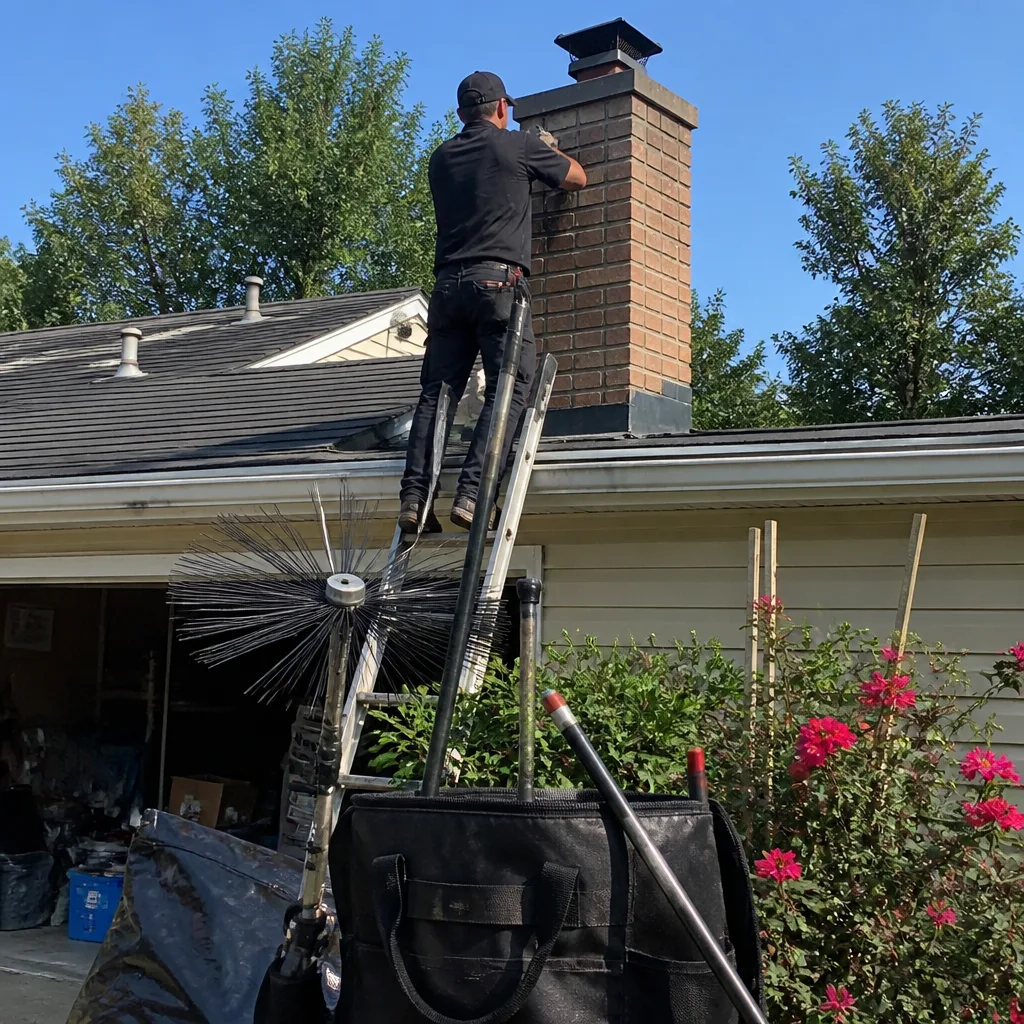
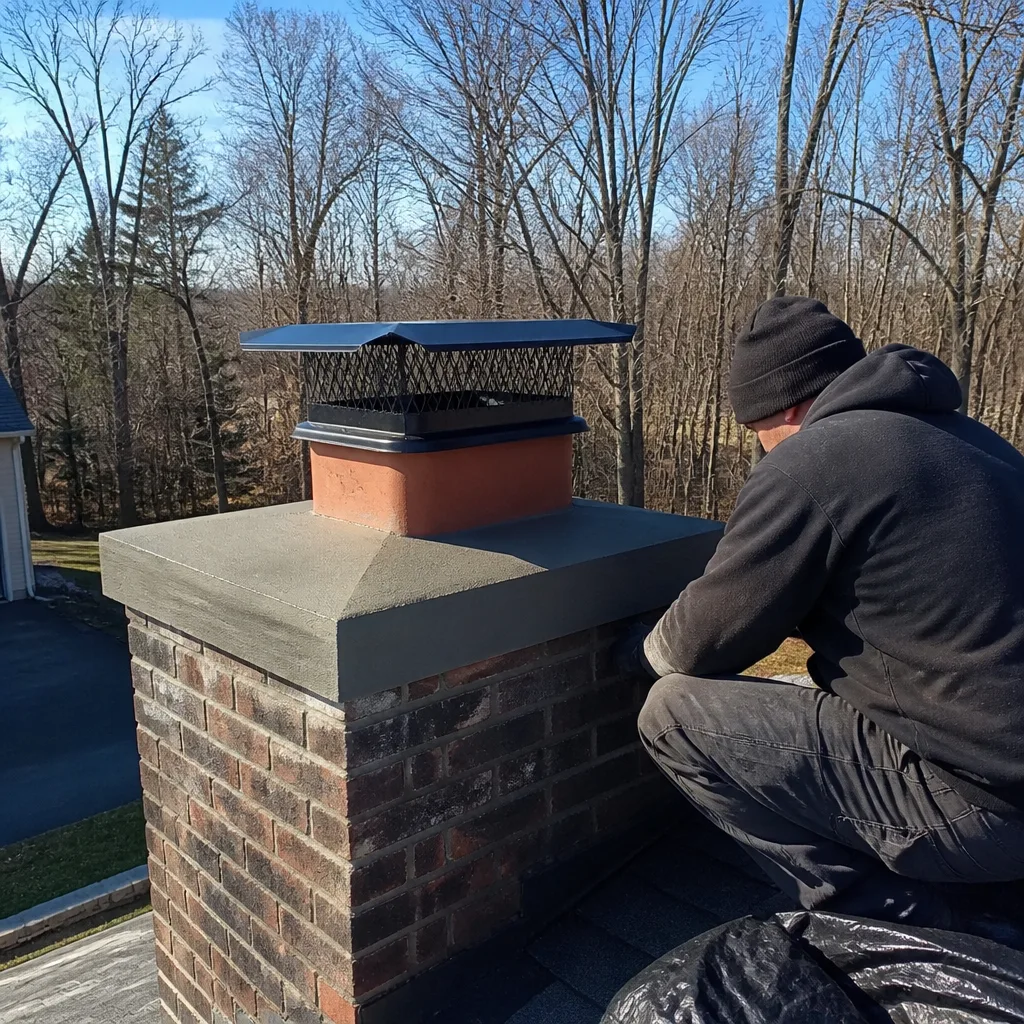
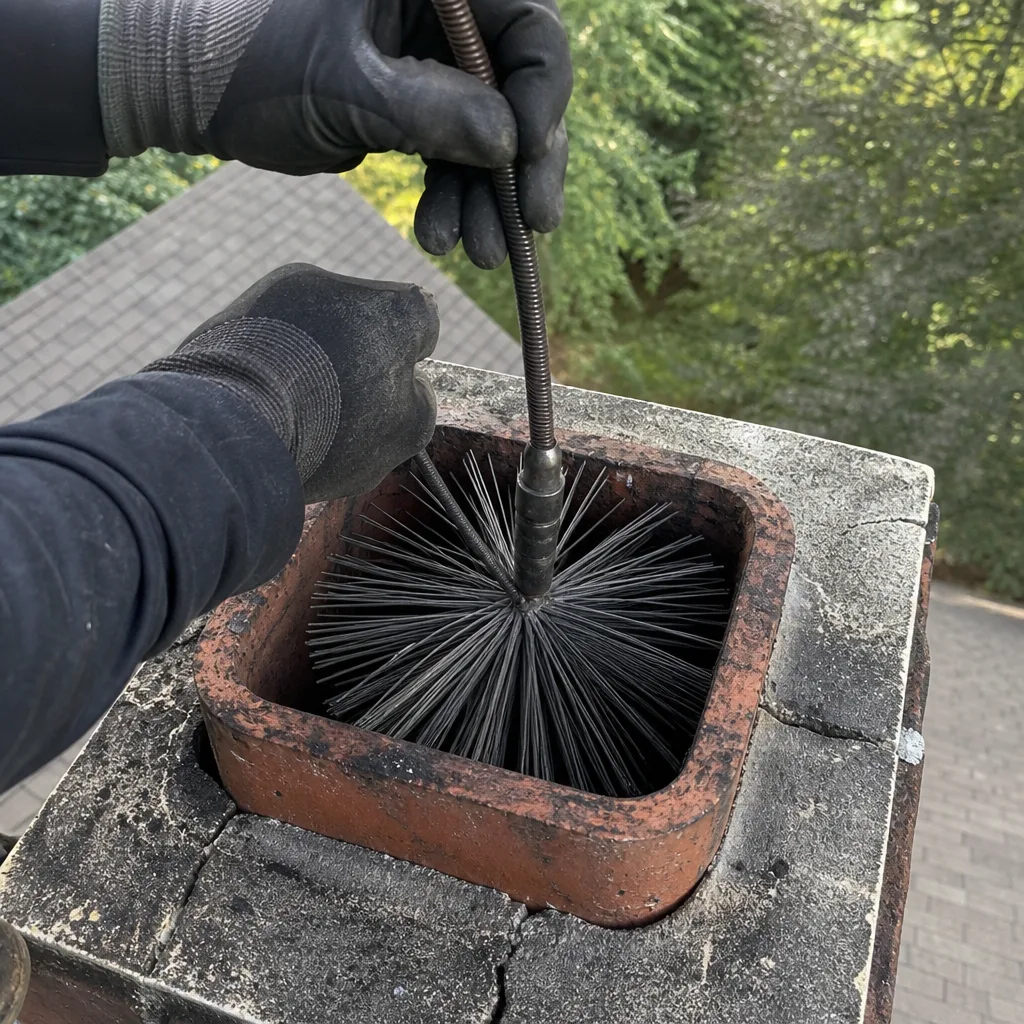
Level 1 sweep and inspection to the NFPA 211 annual standard - flue, crown, cap, and flashing checked and photographed
Chimney sweep logs do not sweep chimneys. They loosen some creosote - which then falls where a brush and vacuum still have to collect it.
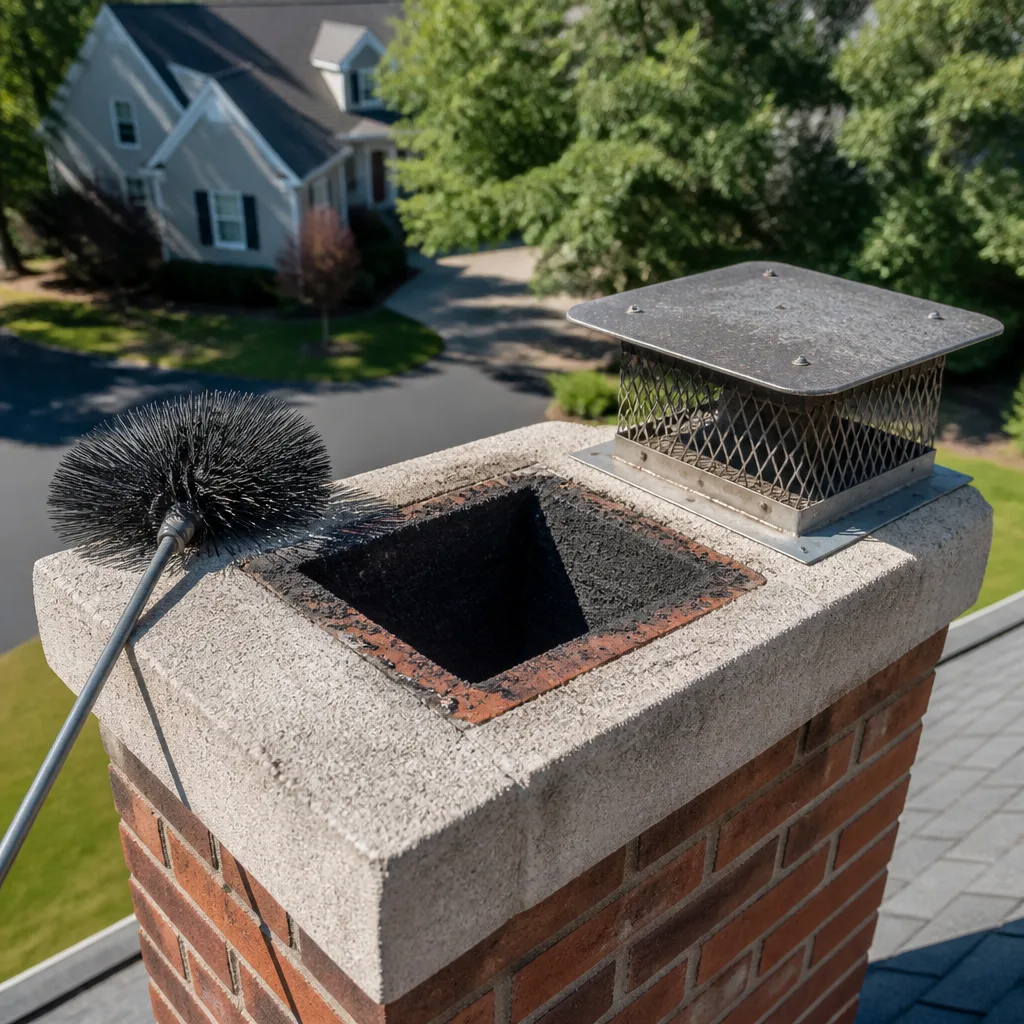
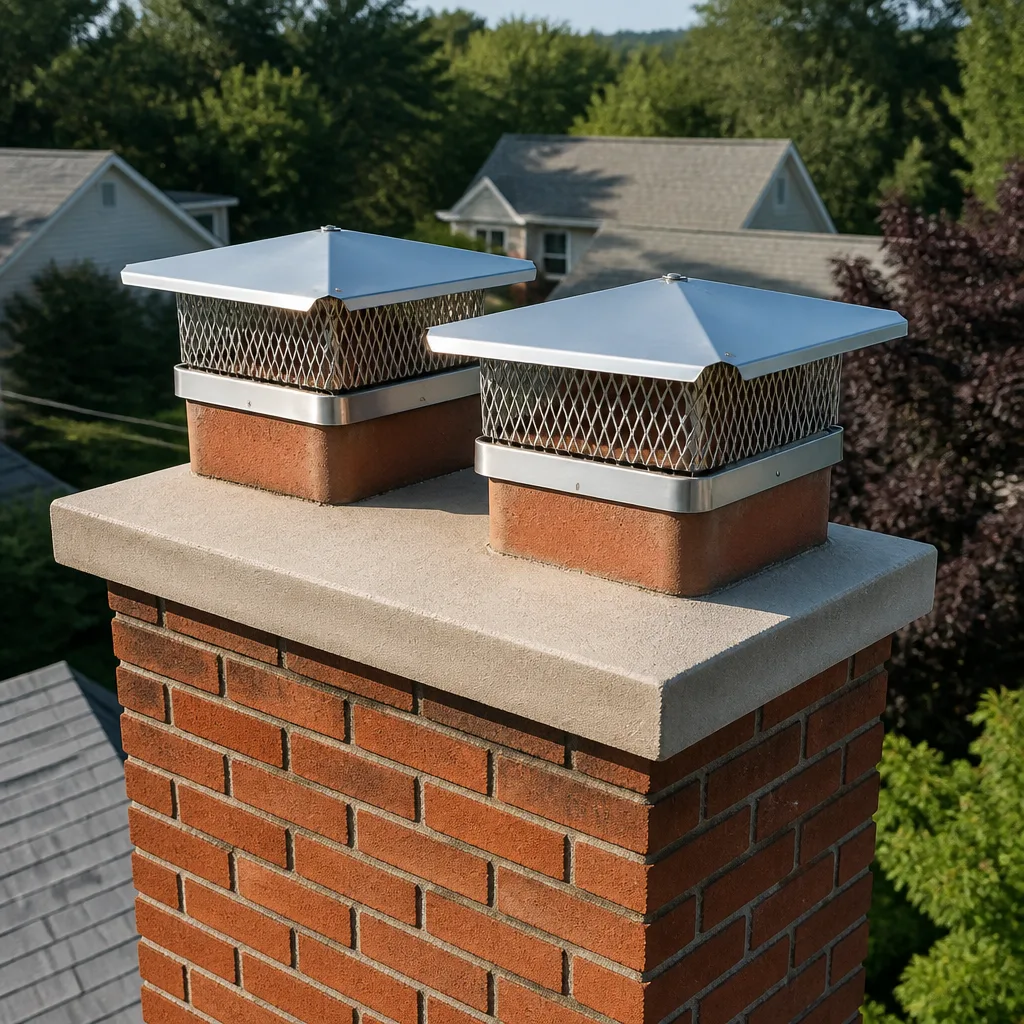
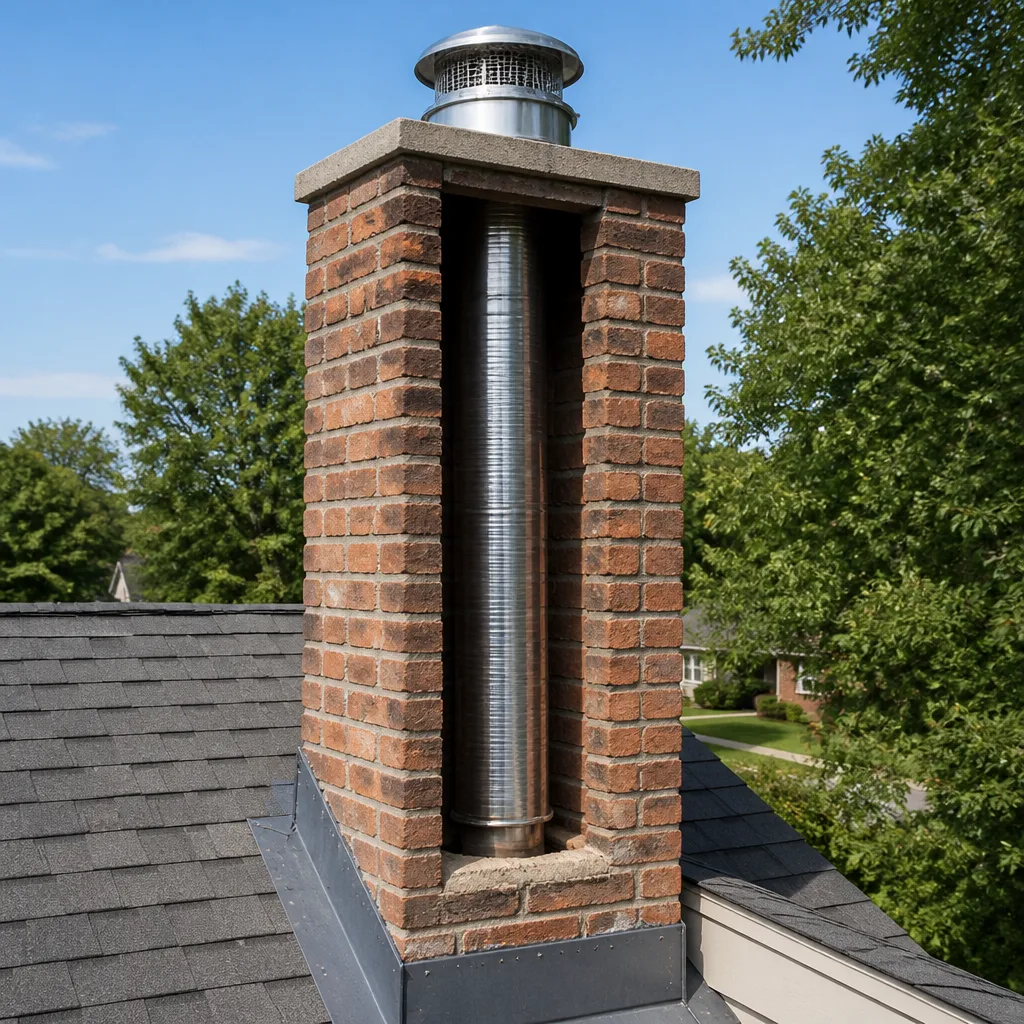
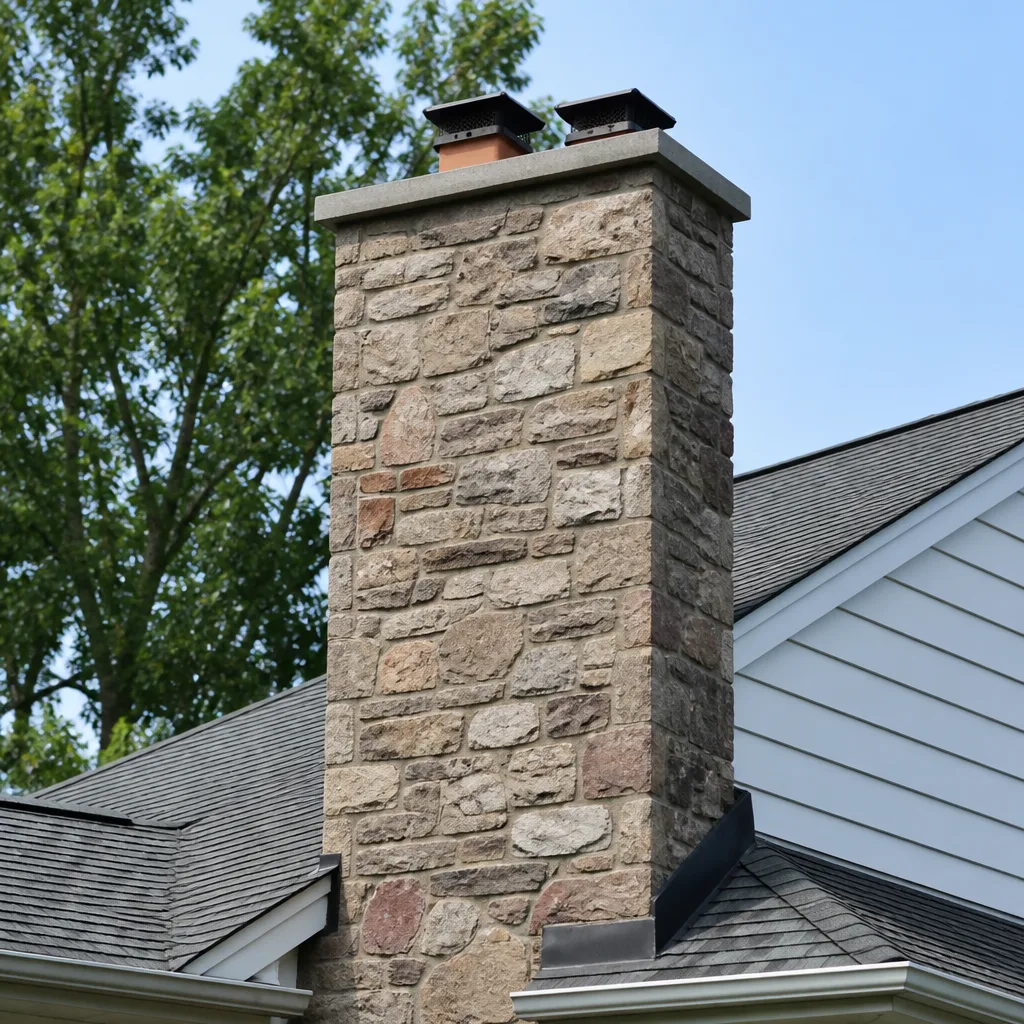
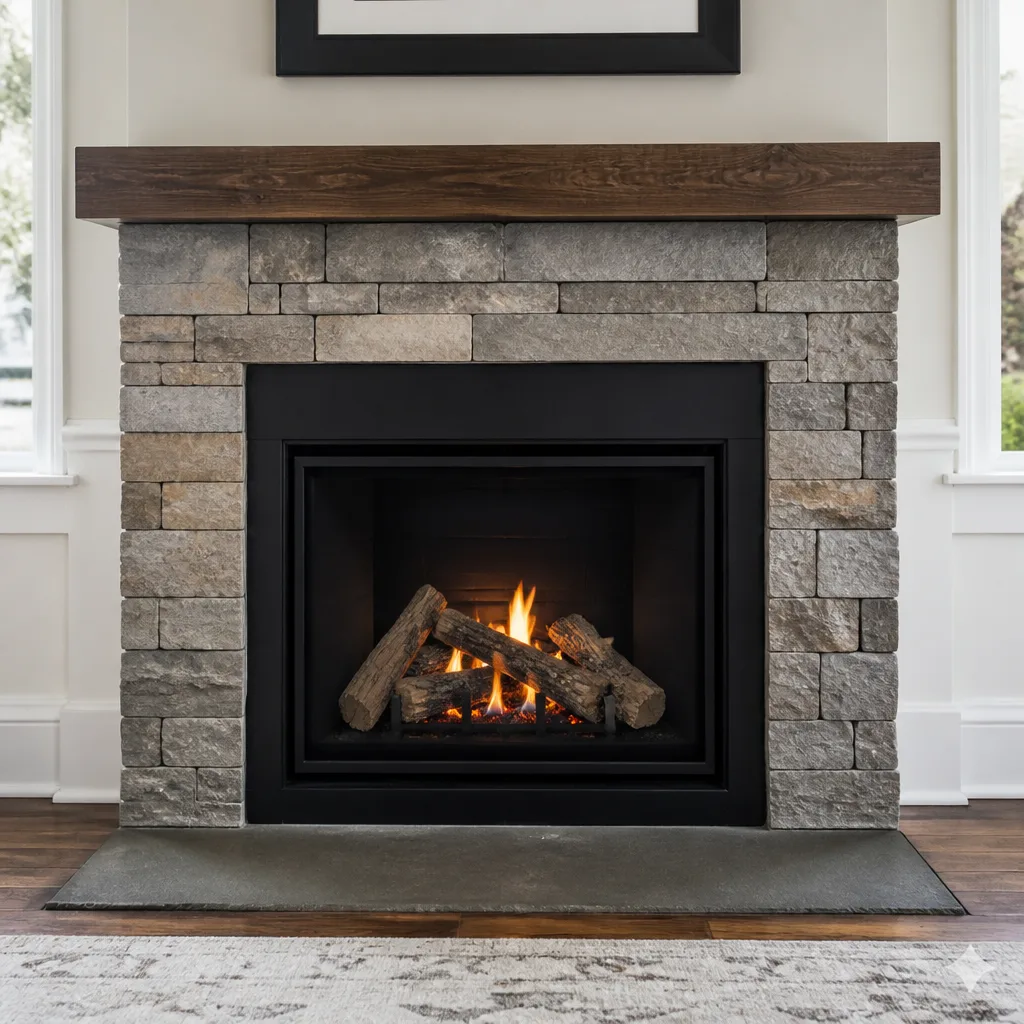
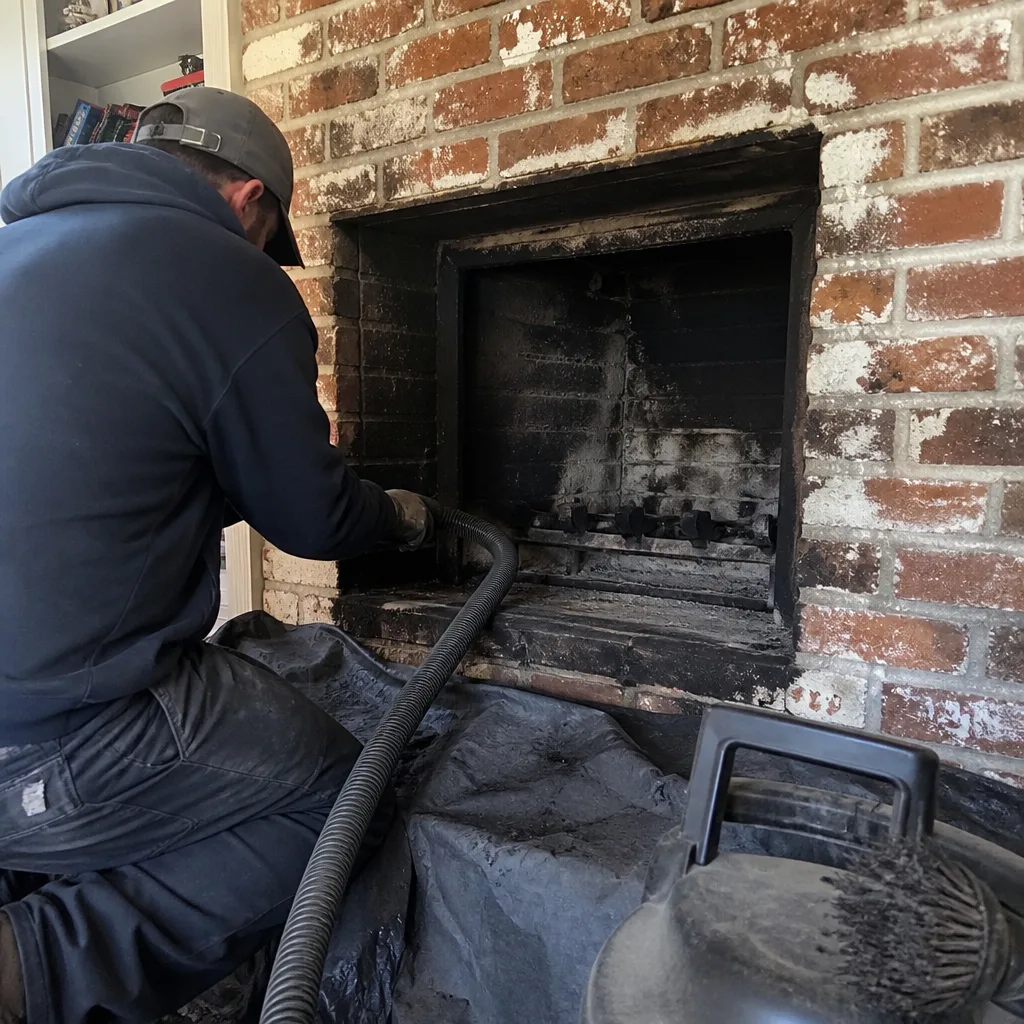 Before
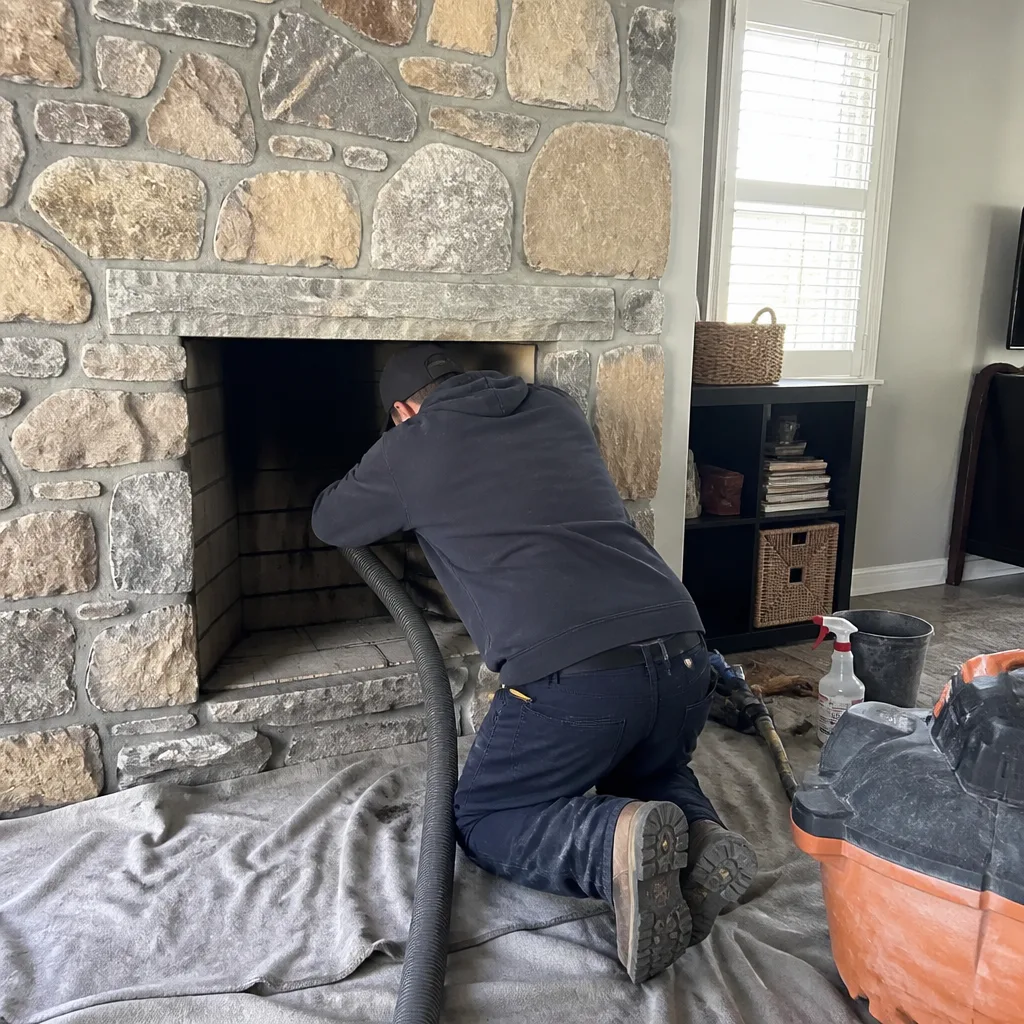 After
After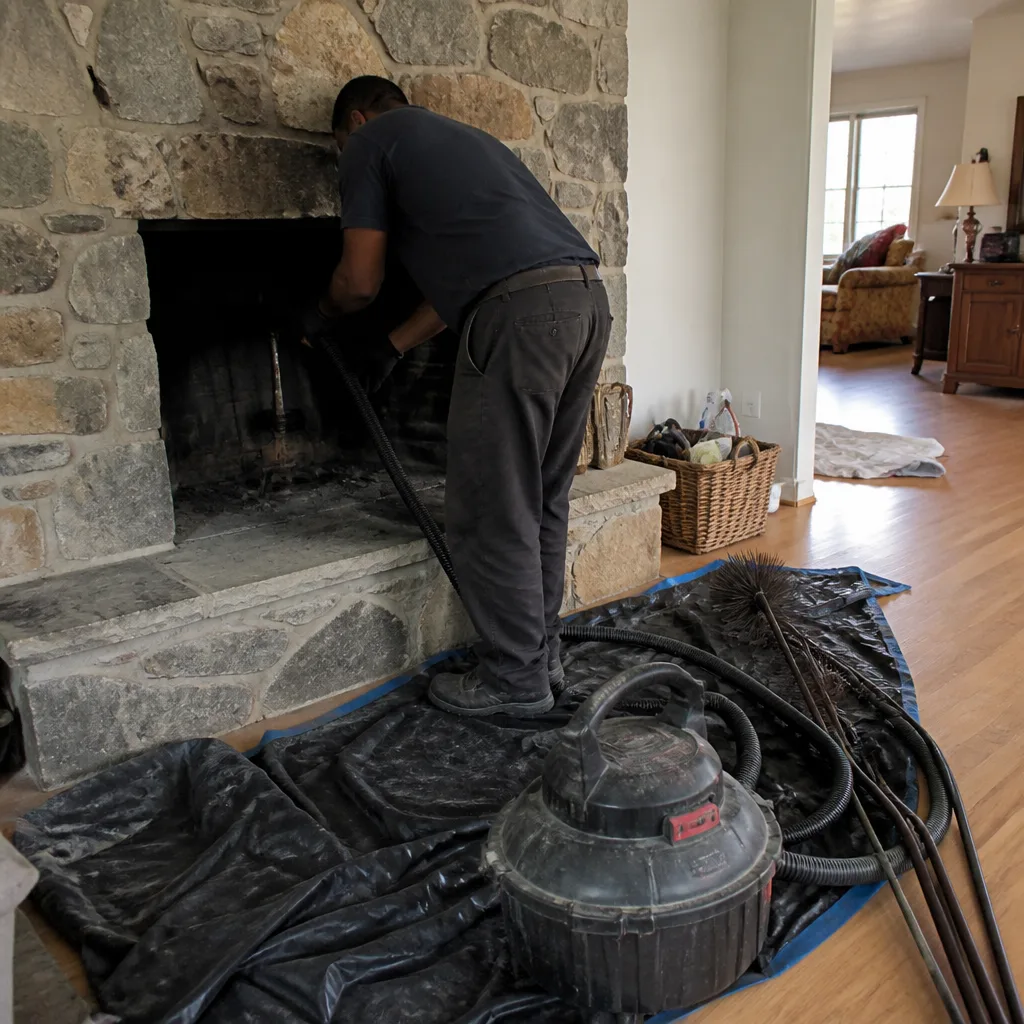 Before
 After
After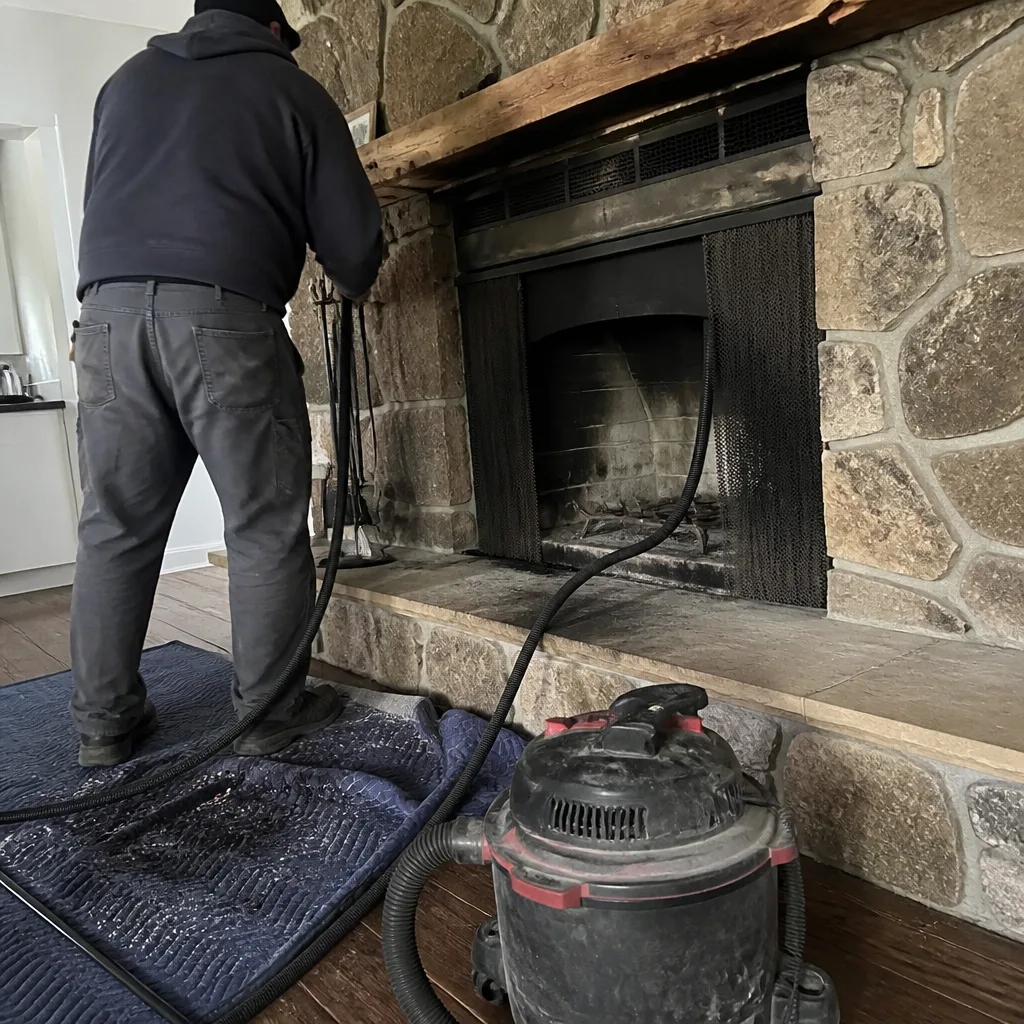 Before
 After
AfterHeatShield Flue Liner Replacement: The Phoenixville Owner’s Guide
HeatShield flue liner replacement in Phoenixville typically runs $2,800-$4,200 installed, depending on liner diameter, flue height, and whether the existing liner pulls out clean or needs extraction. We stock HeatShield-compatible stainless steel and cerfractory flue liner sections on our trucks, and most Phoenixville replacements are completed in a single day. Homeowners usually discover the failure during a sweep when the camera reveals cracked tiles, spalling mortar joints, or gaps in a cerfractory coating that the previous owner assumed was “good as new.”
Which HeatShield Models This Applies To
HeatShield manufactures two distinct liner systems, and knowing which one is in your chimney changes everything about the replacement.
The HeatShield Cerfractory Flue Sealant system is a spray-applied lining, not a physical liner at all. It’s rated for 3,000 degrees Fahrenheit and designed to resurface clay tile flues from the inside. If your home was built between 1960 and 1995 in the Phoenixville area and someone sold you a “liner” in the last decade without pulling a permit, there’s a fair chance you’re looking at Cerfractory coating over original tiles. The compatibility gotcha: Cerfractory cannot be re-coated indefinitely. NFPA 211 allows one resurface application; after that, the system requires full liner replacement with a listed stainless steel liner.
The HeatShield UL Listed Stainless Steel Liner comes in .006-inch and .005-inch wall thicknesses, 304-alloy for wood and 316-alloy for oil or gas. We source replacement sections through Haven’s buying network from the same distributors that supply HeatShield factory orders. The spec range that matters: diameters from 3 to 12 inches, with oval-to-round adapters for older Phoenixville masonry flues that weren’t built to modern dimensions. We carry 6-inch and 8-inch diameters on the truck, which covers roughly 80 percent of the fireplaces we see in Colonial-era homes near Bridge Street and the newer construction out toward Kimberton.
OEM HeatShield sections carry the factory warranty. Our aftermarket equivalents from DuraFlex and Gelco meet the same UL 1777 listing and often ship faster. For most Phoenixville homeowners, the aftermarket route saves 12-18 percent on material cost without changing the installed warranty, which we cover under our 365-Day Done Right Promise.
Signs Your HeatShield Flue Liner Replacement Is Failing
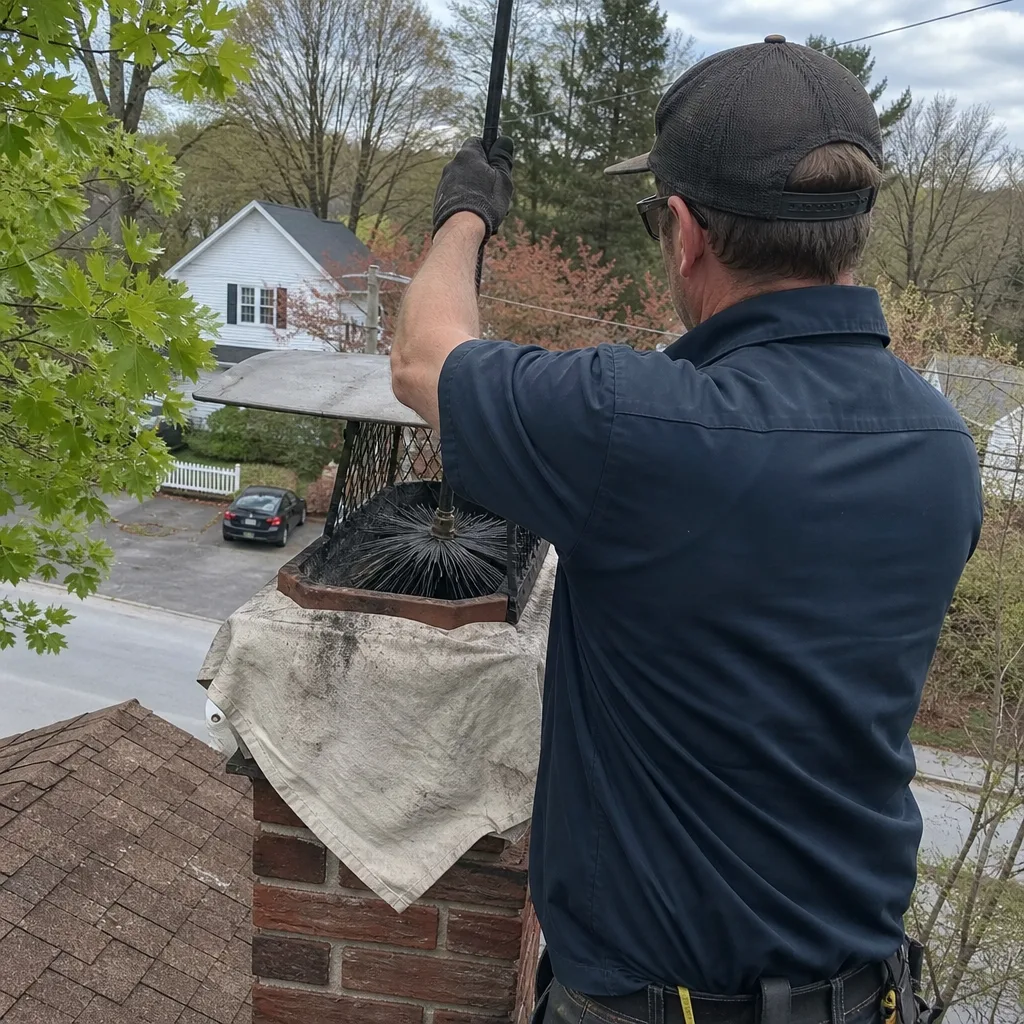
- Flakes of cerfractory material in the firebox or cleanout. The coating is delaminating from the tile substrate, usually due to thermal cycling or moisture intrusion from a missing crown. What you’re seeing is the structural layer giving up; it cannot be patched and continue to protect the masonry.
- White or tan efflorescence staining the exterior brick above the roofline. Combustion gases are migrating through gaps in the liner and condensing in the wall cavity. In Phoenixville’s freeze-thaw climate, this accelerates spalling and turns a liner problem into a masonry rebuild.
- Smoke drafting back into the room on cold starts. A liner with gaps or improper sizing loses the temperature differential that drives draft. The Schuylkill River valley’s lower winter barometric pressure makes this worse than in higher elevations west of here.
- Strong odor from the fireplace in summer. Gaps in the liner allow humid outside air to enter and react with creosote deposits. That sour smell is creosote breaking down; it’s also a sign that exhaust gases have been escaping the flue path.
- Visible cracks or gaps on the camera scan. NFPA 211 Level 2 inspection with a chimney camera is the only reliable way to assess liner condition. We document every scan under Haven Standard Clause 4, and the footage is yours to keep.
 Before
 After
AfterReplacement Cost & What’s Included
| Component | Price Range |
|---|---|
| Stainless steel liner (6″-8″ diameter, 20-25 ft typical Phoenixville height) | $1,400-$2,200 |
| Insulation wrap and mesh (required for solid-fuel listing) | $380-$520 |
| Top plate, rain cap, and connector | $280-$420 |
| Labor: extraction, installation, and final camera verification | $740-$1,060 |
| Total installed, typical Phoenixville residence | $2,800-$4,200 |
What drives the range: flue height (two-story Colonials near Main Street run taller than ranch homes toward Oaks), whether the existing liner is collapsed and requires extraction rigging, and whether the smoke chamber needs parging to meet current code. We deliver a written price before any work starts, Haven Standard Clause 1. The camera footage, written scope, and written warranty are included, not sold separately. Materials carry manufacturer defect coverage; our labor is backed by the 365-Day Done Right Promise.
DIY or Call Us?
There’s a safe middle ground and a hard stop.
What you can check yourself: verify the liner diameter with a flashlight and tape measure from the firebox (measure the narrowest point), listen for debris rattling when you tap the flue, and confirm the rain cap is present and secured. These checks tell you whether something is obviously wrong, not whether the liner is sound.
Where DIY goes wrong: pulling a liner requires roof access, proper fall protection, and knowledge of how to avoid damaging the clay tile substrate during extraction. Installing a new liner without insulation wrap or proper top-sealing creates a listed-system violation that voids homeowner’s insurance after a chimney fire. The camera verification at completion is not optional; it’s how you prove the liner was seated correctly and is drafting as designed. Corrine Halstead and our crew have replaced liners on roofs along the Schuylkill River trail corridor where the pitch alone rules out amateur work. Call (610) 321-5157 and we’ll show you what the camera found before we quote a dollar.
FAQs
A properly installed stainless steel liner should last 15-25 years, though we’ve seen premature failure in homes where the crown was neglected and water ran down the flue year-round. The Cerfractory coating system is rated for one application cycle; once it fails, replacement with listed stainless steel is the only code-compliant path. Call (610) 321-5157 for an exact quote - estimates are free.
Cerfractory coating can be patched only if the original application was within spec and the delamination is localized; we see this in maybe 10 percent of cases. Stainless steel liners with isolated cracks or joint separation cannot be repaired to a listed standard - replacement is required. We don’t recommend anything without camera evidence you can see for yourself. Call (610) 321-5157 for an exact quote - estimates are free.
Most Phoenixville replacements are completed in one day, assuming standard two-story height and clean extraction. Jobs requiring masonry repair to the smoke chamber or crown, or liner extraction through a constricted flue, may extend to a second day. We book by the scope, not the clock, and you’ll have a written price before we start. Call (610) 321-5157 for an exact quote - estimates are free.
We carry 6-inch and 8-inch diameter stainless sections, insulation wrap, top plates, and rain caps on every truck, sourced through Haven’s buying network from the same distributors that supply HeatShield factory orders. Odd sizes and 316-alloy oil-rated liners are typically next-day from our Philadelphia-area warehouse. Call (610) 321-5157 for an exact quote - estimates are free.
Level Two Chimney Phoenixville is an independent service provider; we are not affiliated with HeatShield. We install listed-compatible replacement liners using materials from DuraFlex, HeatShield, Gelco, Olympia Chimney, Famco, and Copperfield, procured through Haven’s buying network specifically to keep customer prices honest.
Written by Corrine Halstead, Owner, Level Two Chimney Phoenixville at Level Two Chimney Phoenixville, serving Phoenixville and nearby areas.