
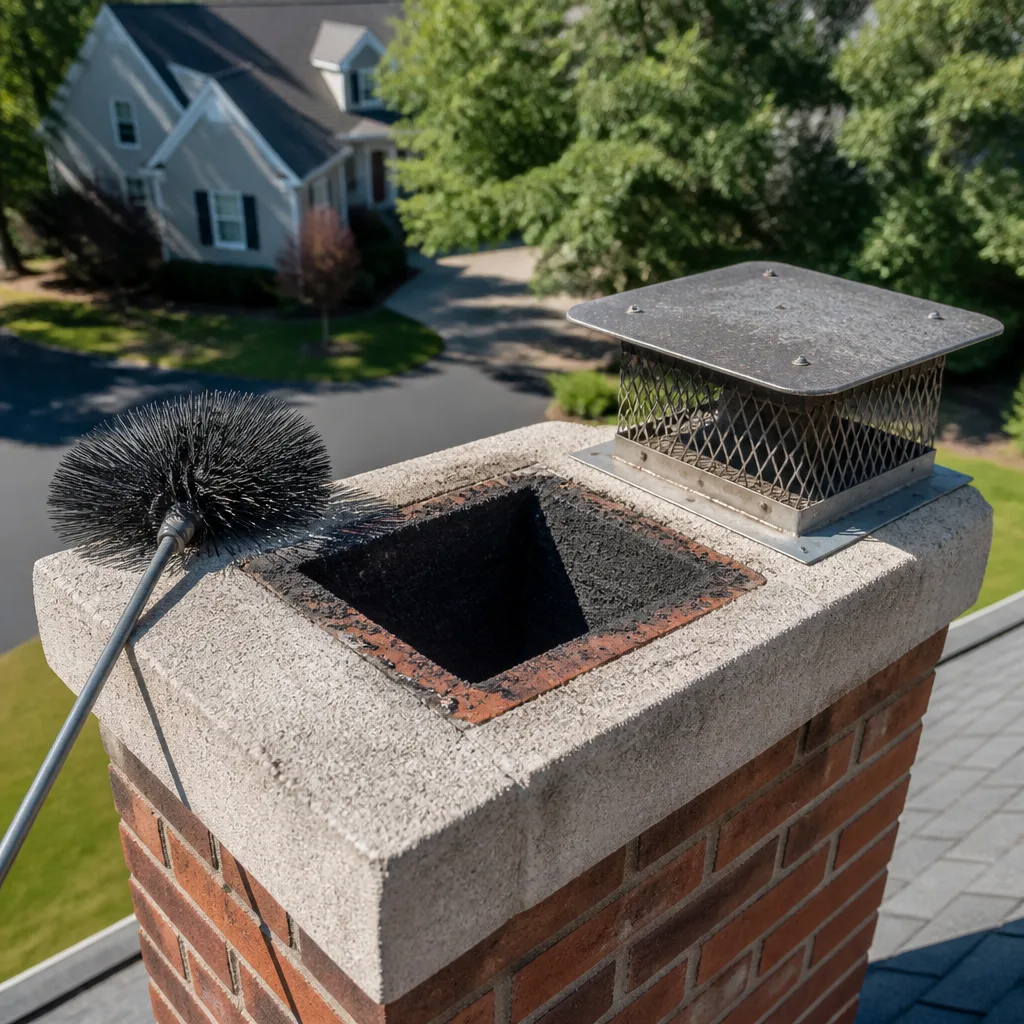
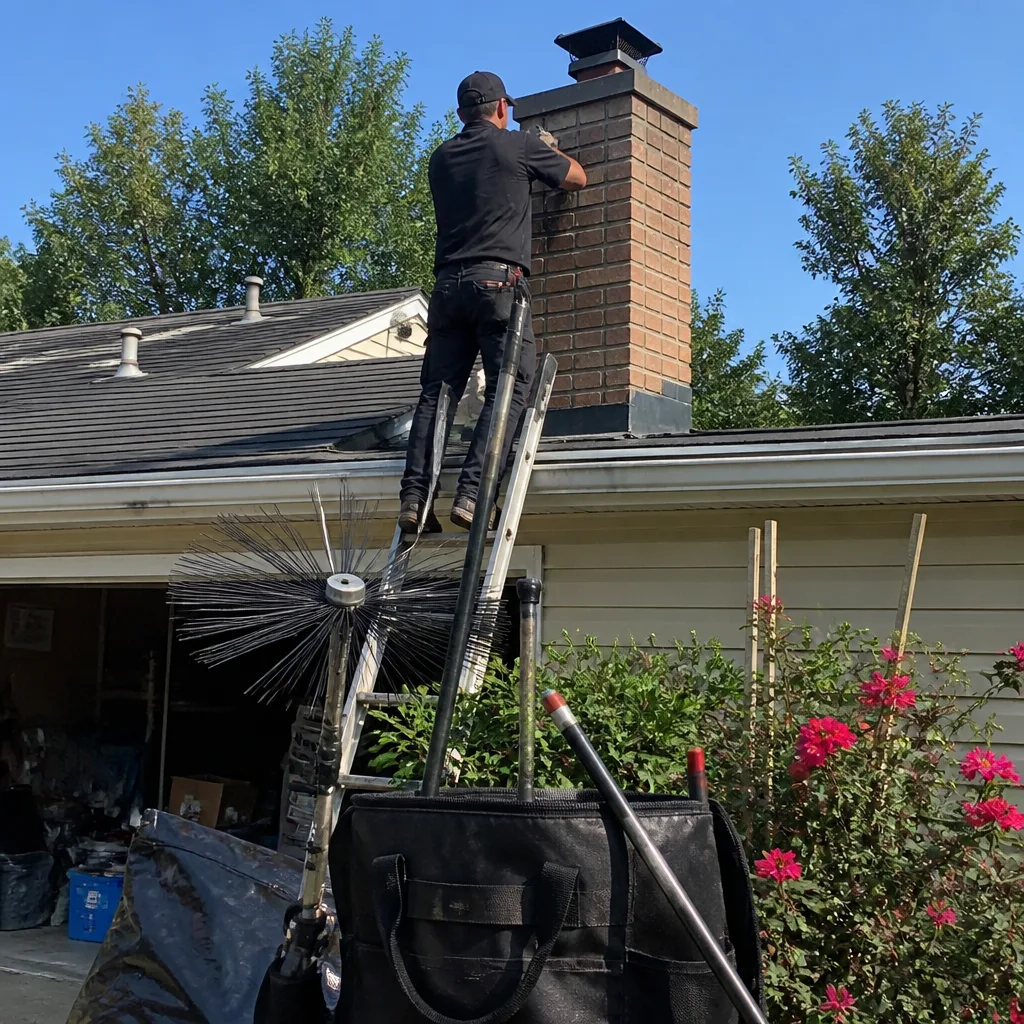
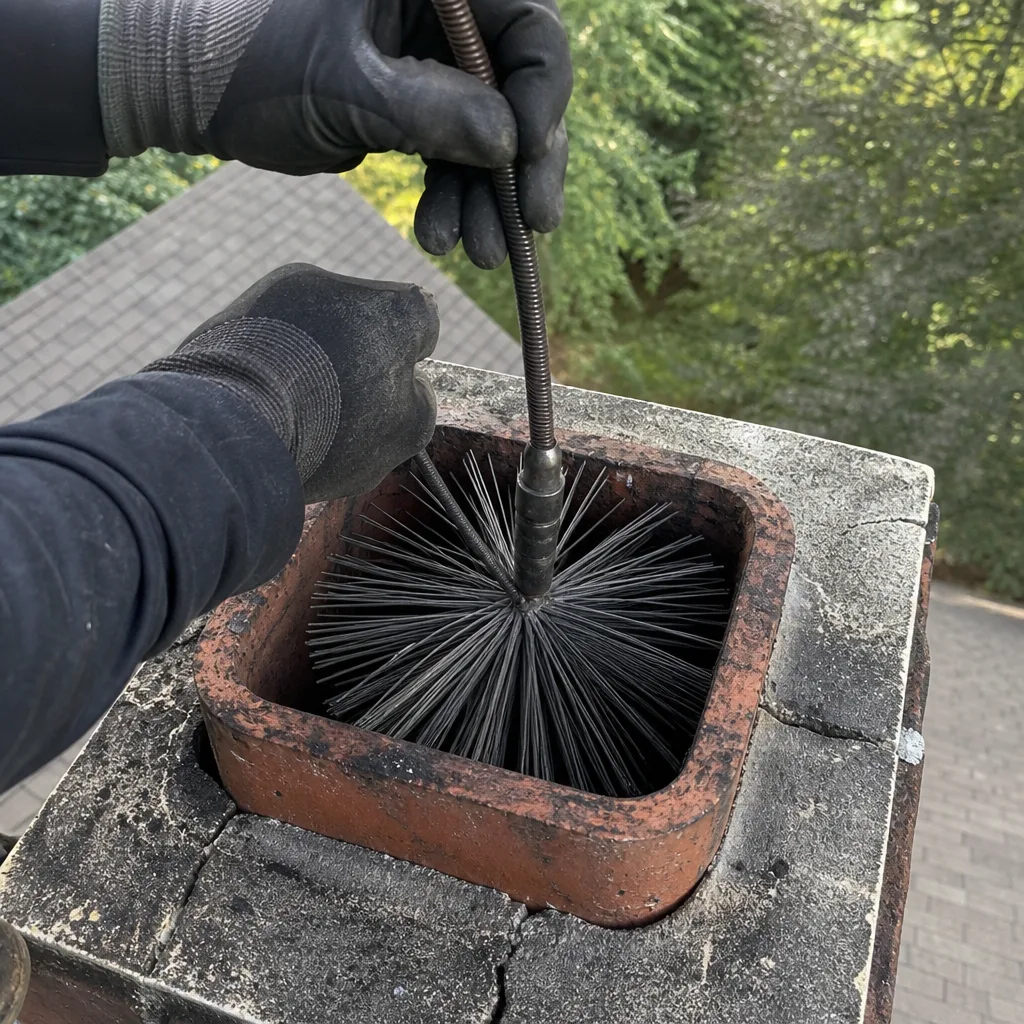
Level 1 sweep and inspection to the NFPA 211 annual standard - flue, crown, cap, and flashing checked and photographed
Chimney sweep logs do not sweep chimneys. They loosen some creosote - which then falls where a brush and vacuum still have to collect it.
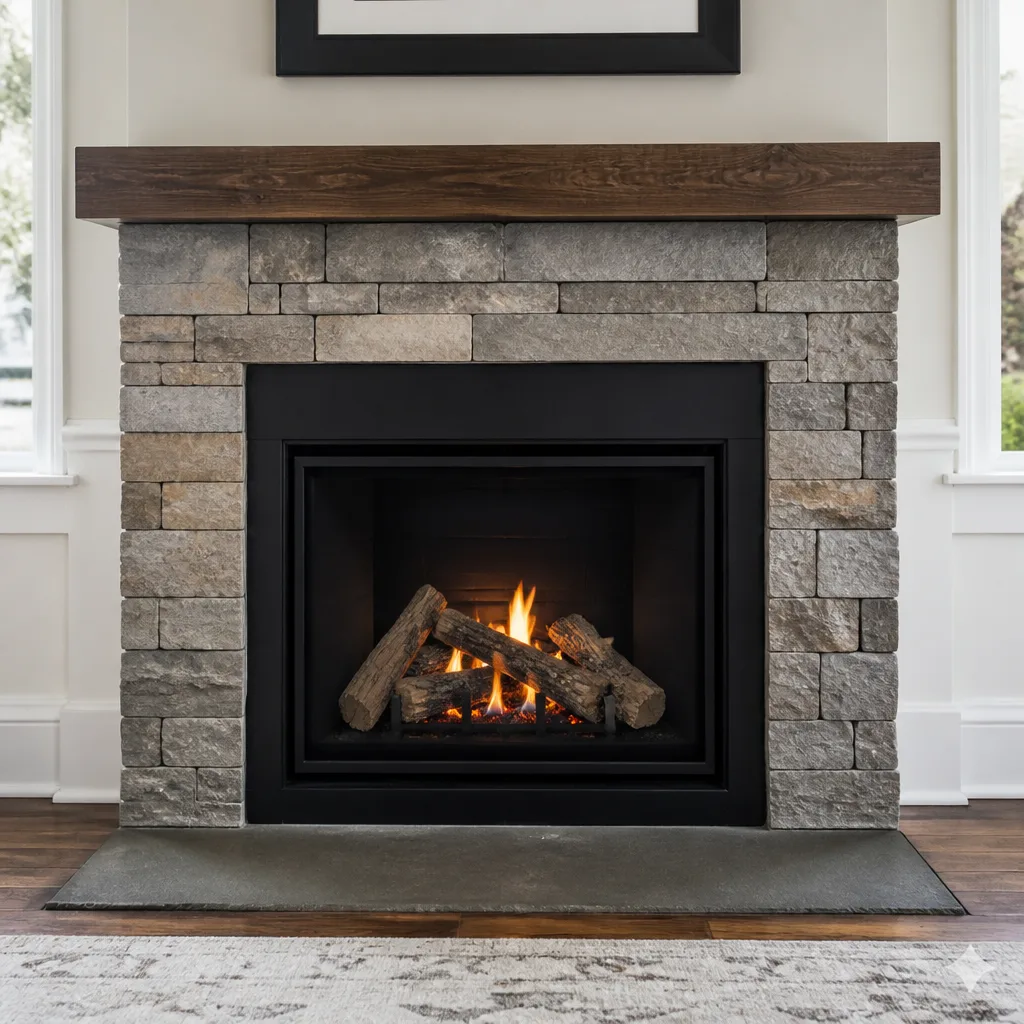
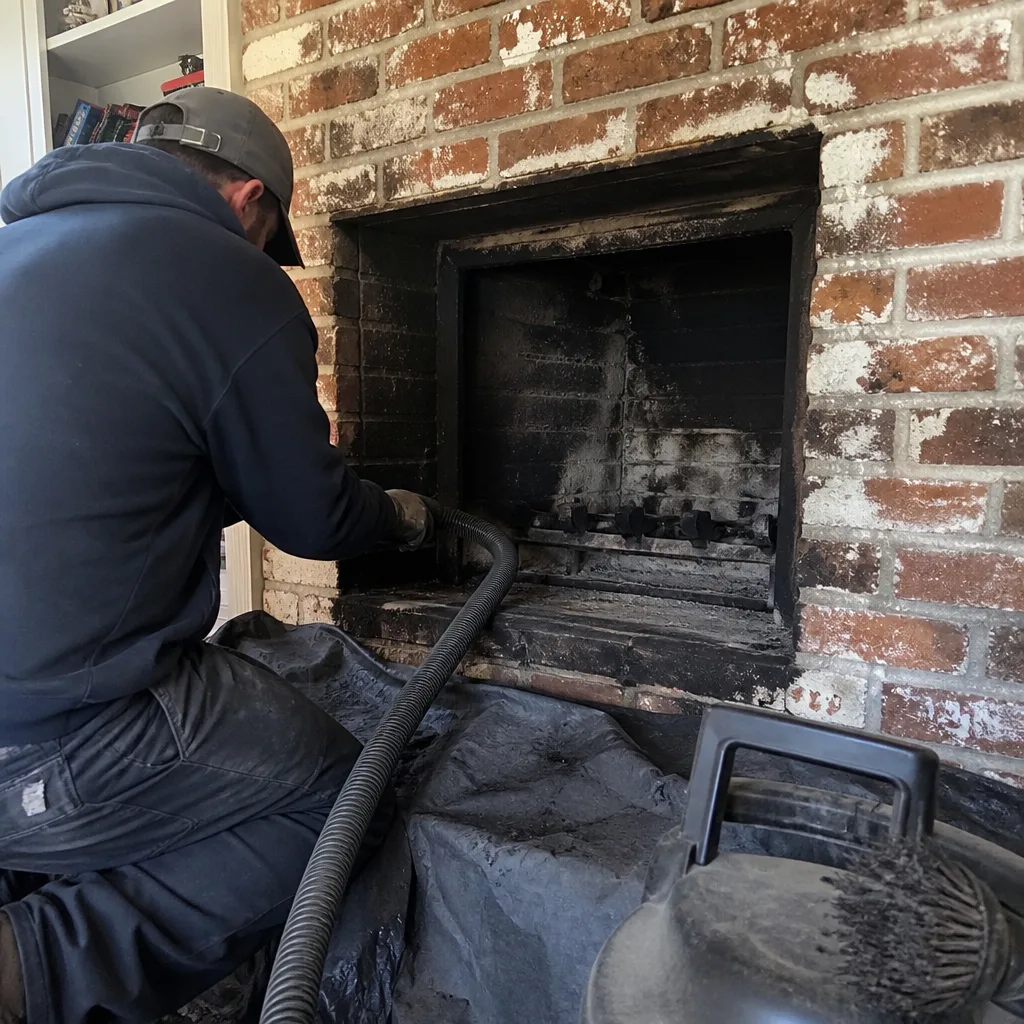 Before
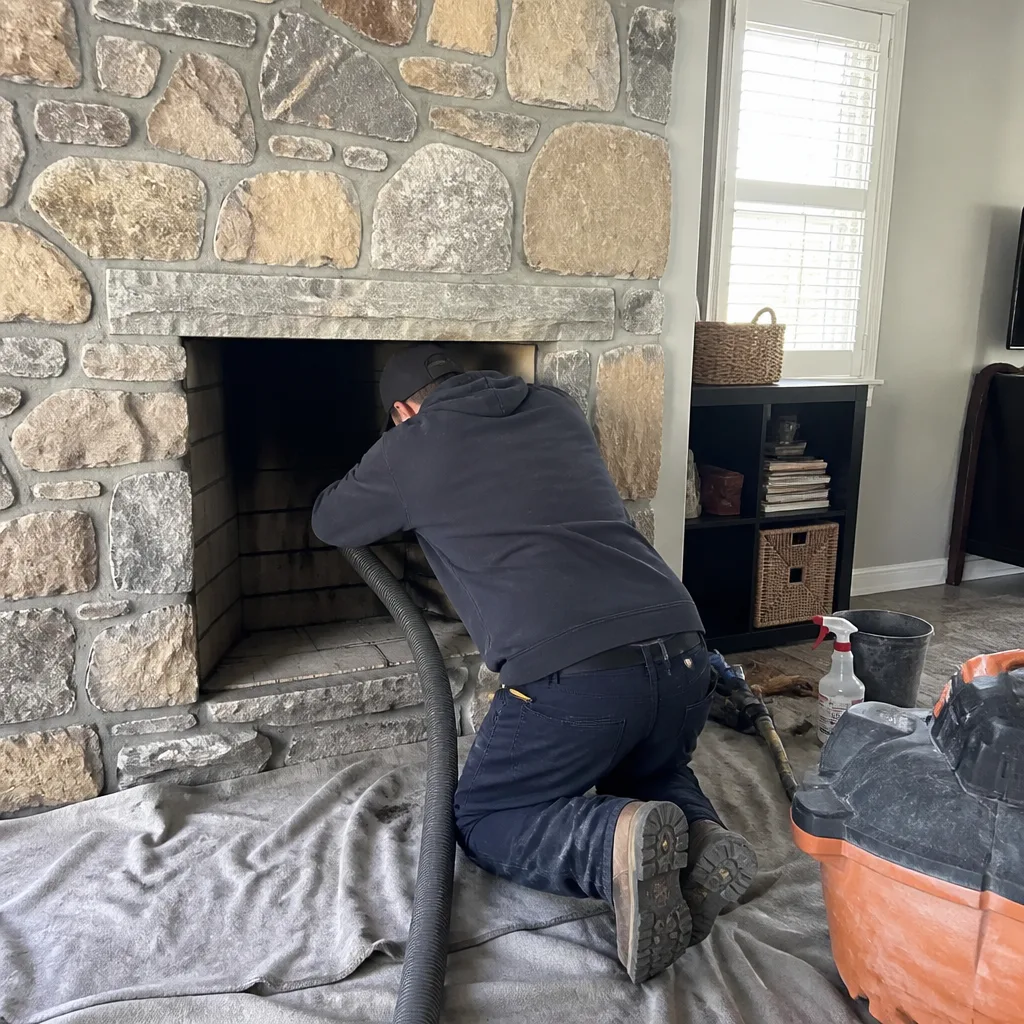 After
After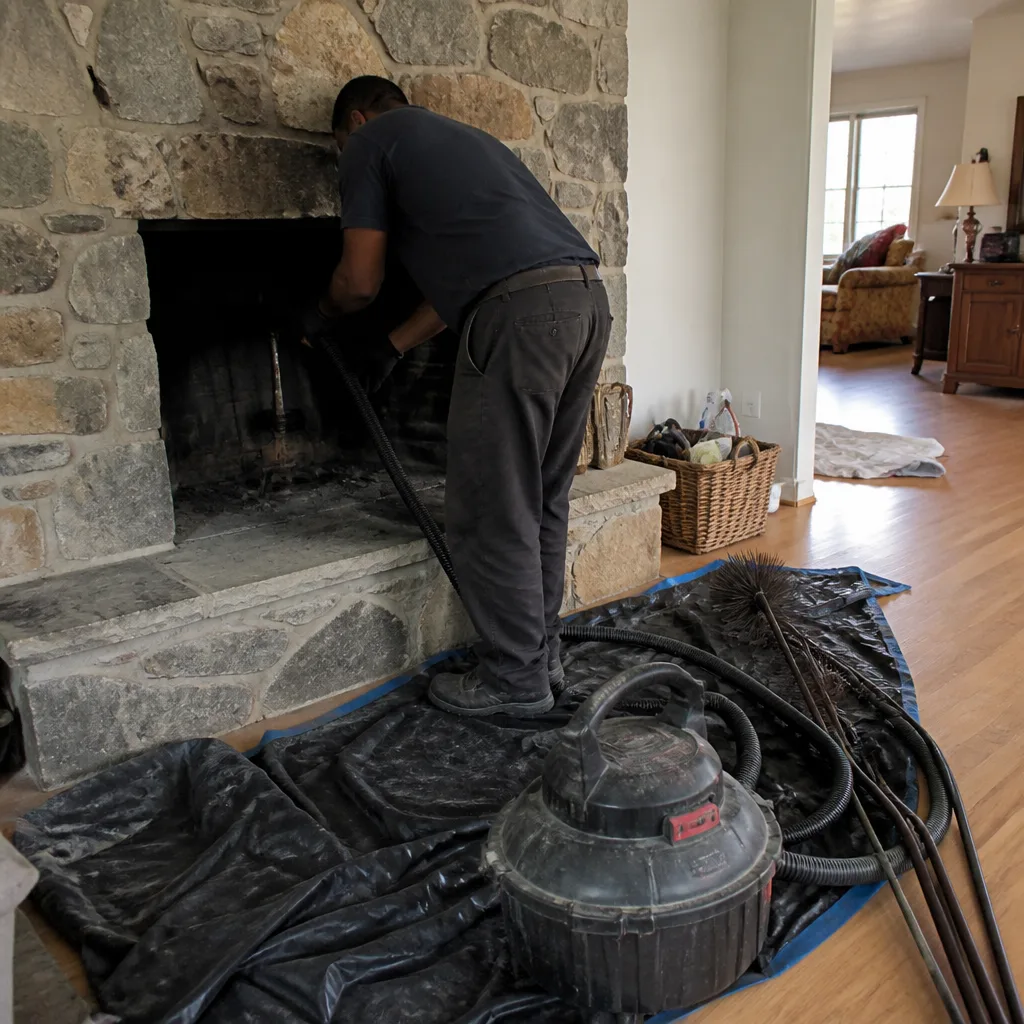 Before
 After
After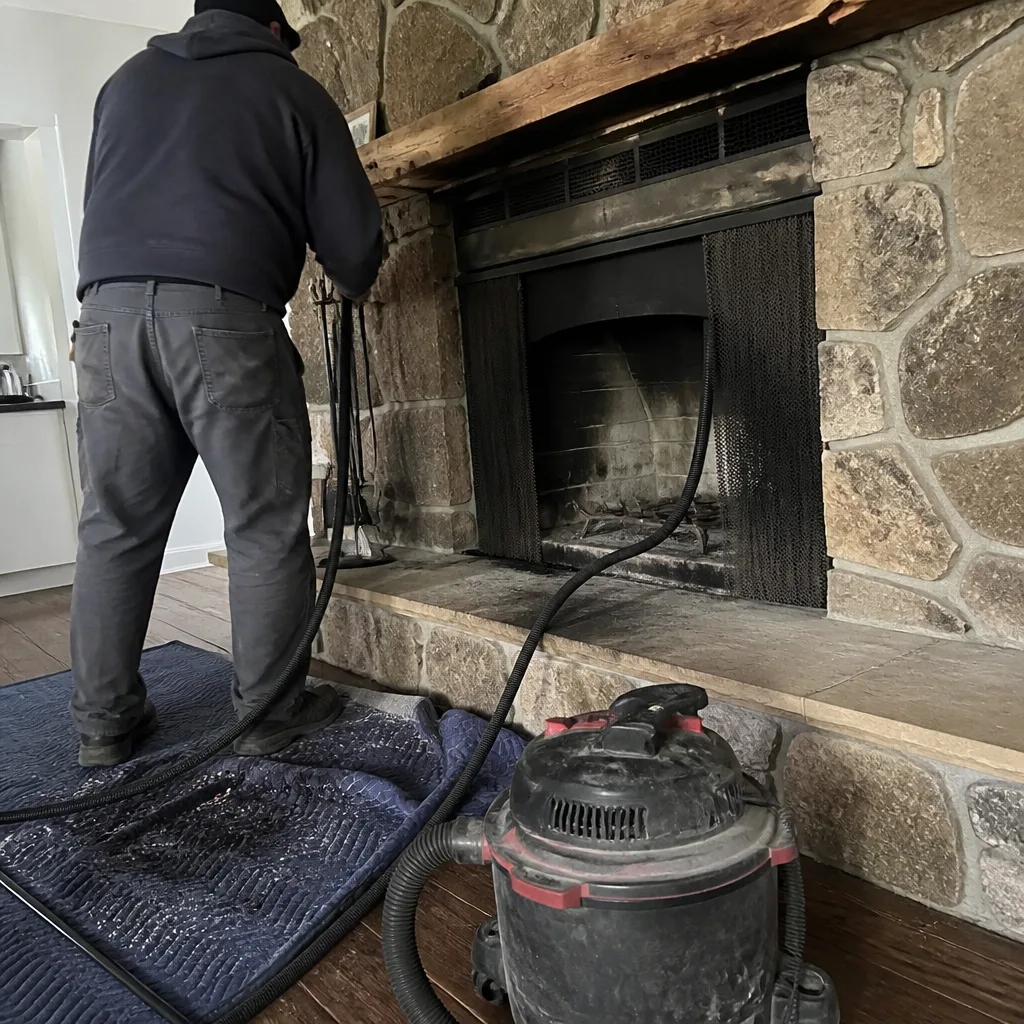 Before
 After
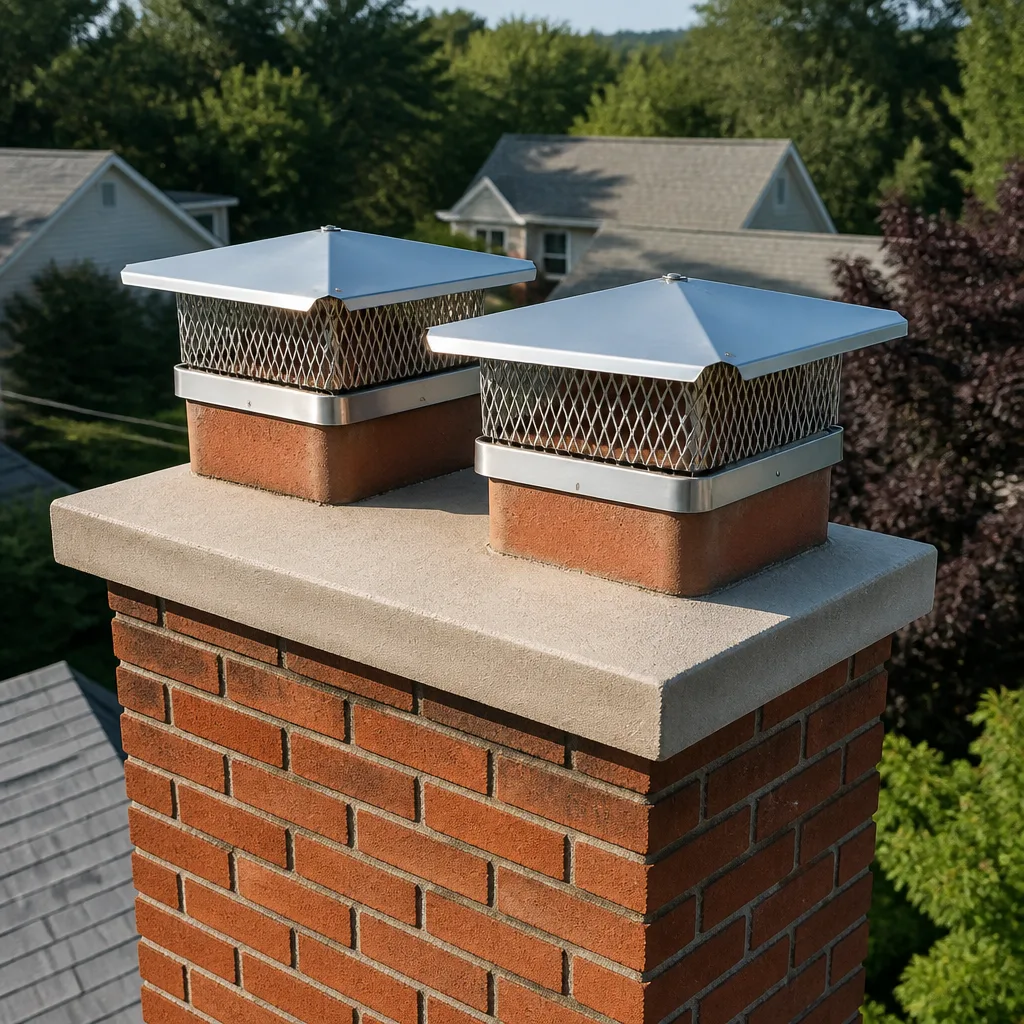
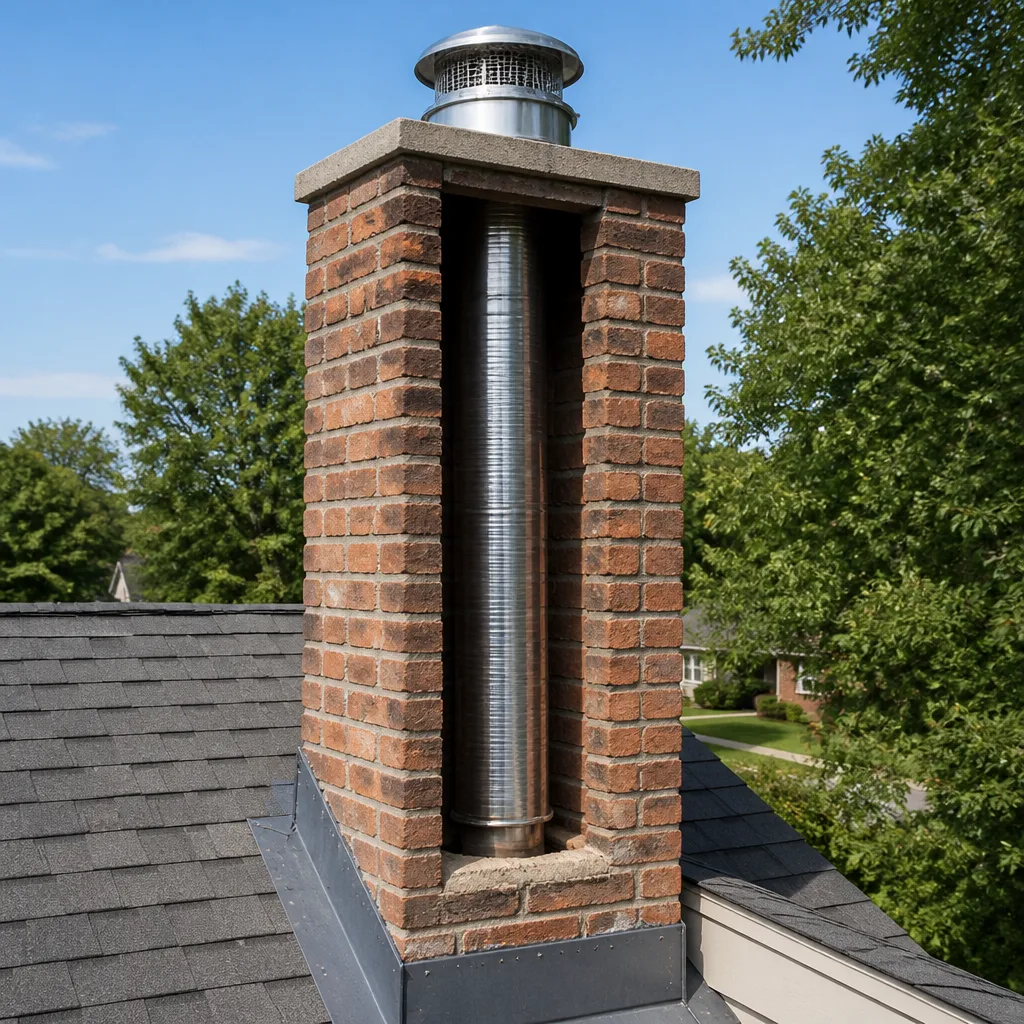
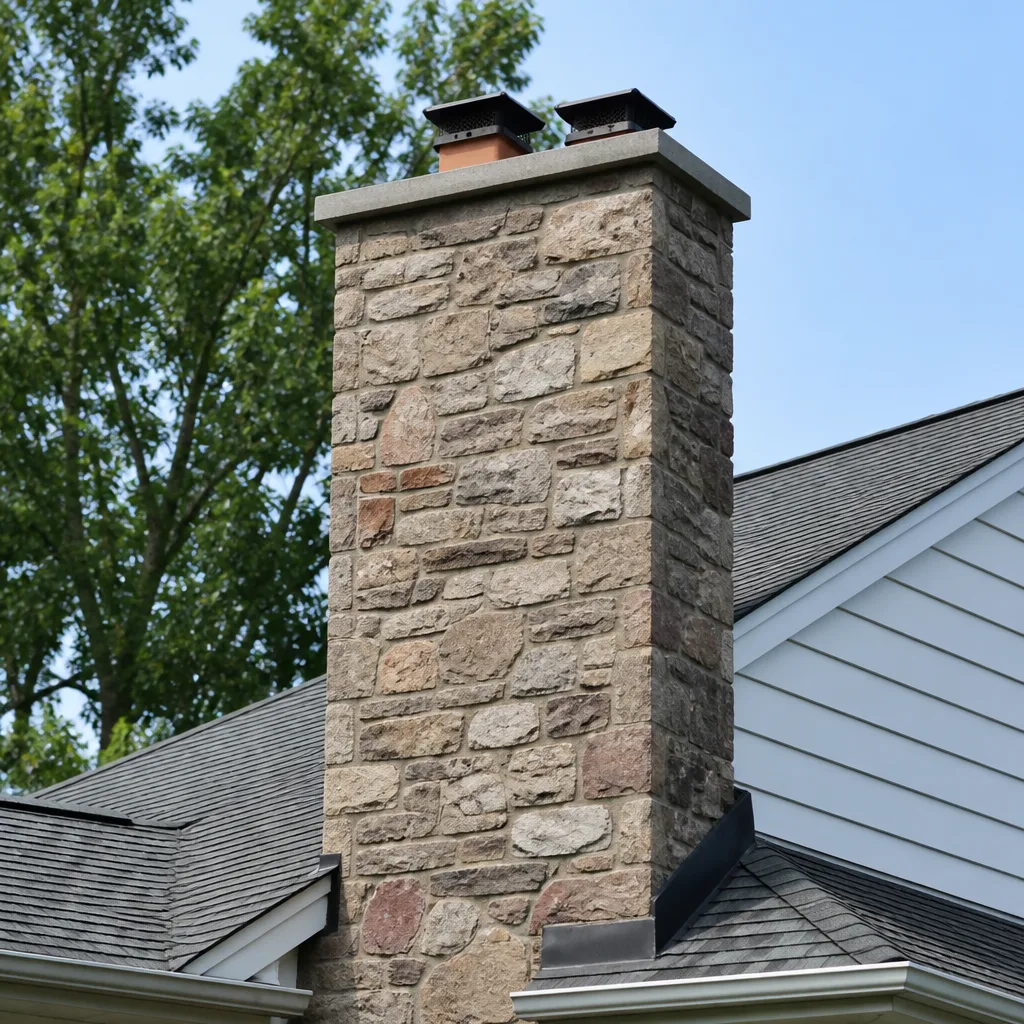
AfterHeatShield Chimney Cap Installation: The Phoenixville Owner’s Guide
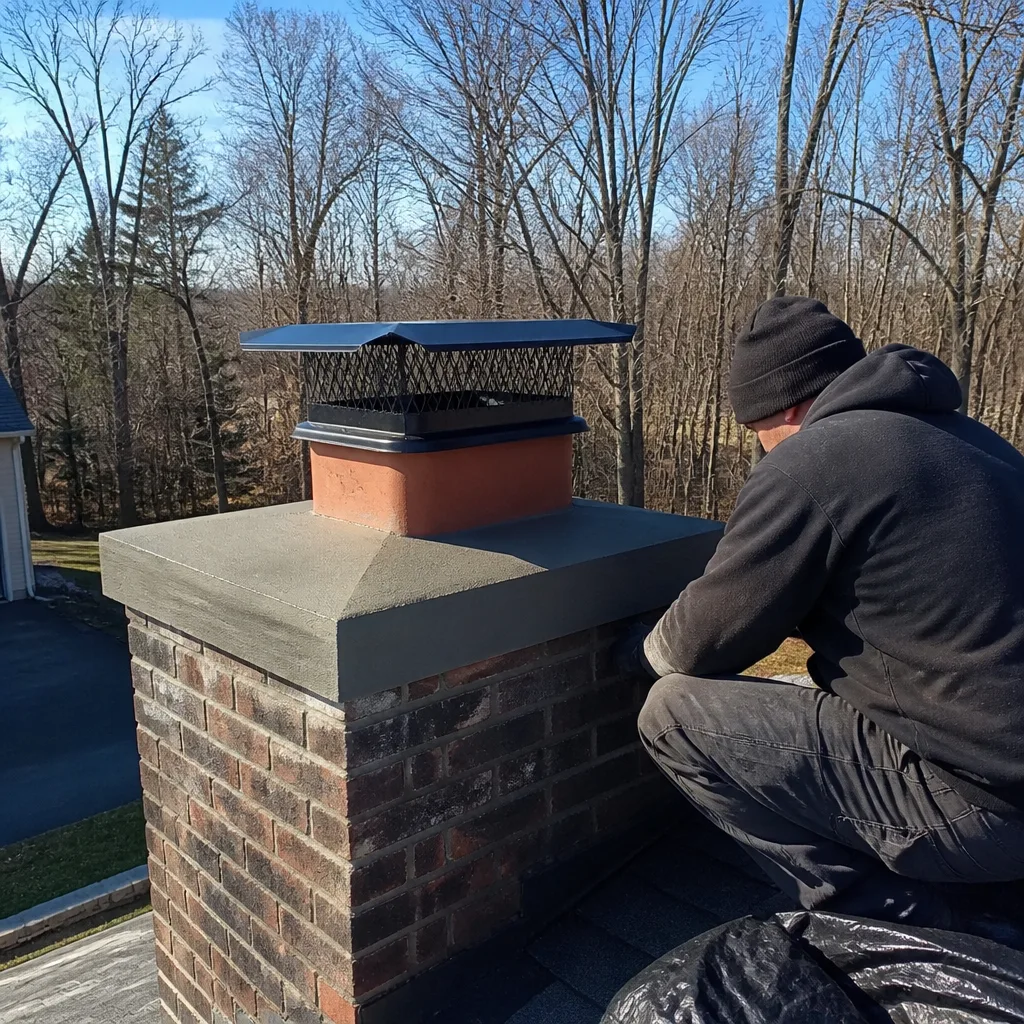
HeatShield chimney cap installation in Phoenixville typically runs $340-$620 for most single-flue masonry stacks, including the cap, collar, sealant, and labor with a camera inspection of the flue top before we bolt anything down. We stock HeatShield-compatible caps in 8″, 10″, 12″, and 13″ round flue sizes on our trucks, and most replacements are completed in under two hours once we’re on site. You’ll usually discover the cap has failed when water starts dripping down the flue during a hard Phoenixville rain, or when you spot rust streaks on the brickwork below a cap that’s lost its galvanizing.
Which HeatShield Models This Applies To
HeatShield produces two distinct cap lines that we see in Phoenixville homes: the standard galvanized steel caps sold through their dealer network, and the stainless upgrade caps that ship with their cerfractory flue liner restoration systems. The standard line carries a part-number prefix of HS-CAP followed by the flue diameter (HS-CAP-10 for a 10-inch flue, for example). The stainless caps for liner jobs are typically labeled HS-SS-CAP and include a wider mounting skirt designed to overlap HeatShield’s poured liner crown.
Here’s the compatibility gotcha we run into most often: a homeowner buys a standard HS-CAP for a flue that was previously relined with HeatShield cerfractory material. The standard cap’s mounting skirt is too narrow to seat properly over the thicker liner crown, and the installer either forces it (cracking the crown seal) or leaves gaps that funnel water straight to the liner. We check this with a quick tape measurement from flue tile outer edge to crown edge before quoting. If you’ve got more than 2.5 inches of crown overhang, you need the HS-SS-CAP or a custom-fabricated cap through our Haven buying network.
We source HeatShield caps direct through Haven’s procurement channel, along with DuraFlex and Gelco equivalents when the original spec isn’t available or when a homeowner wants to compare stainless gauge thickness. We’re an independent service provider with no affiliation to HeatShield Corporation.
Signs Your HeatShield Chimney Cap Installation Is Failing
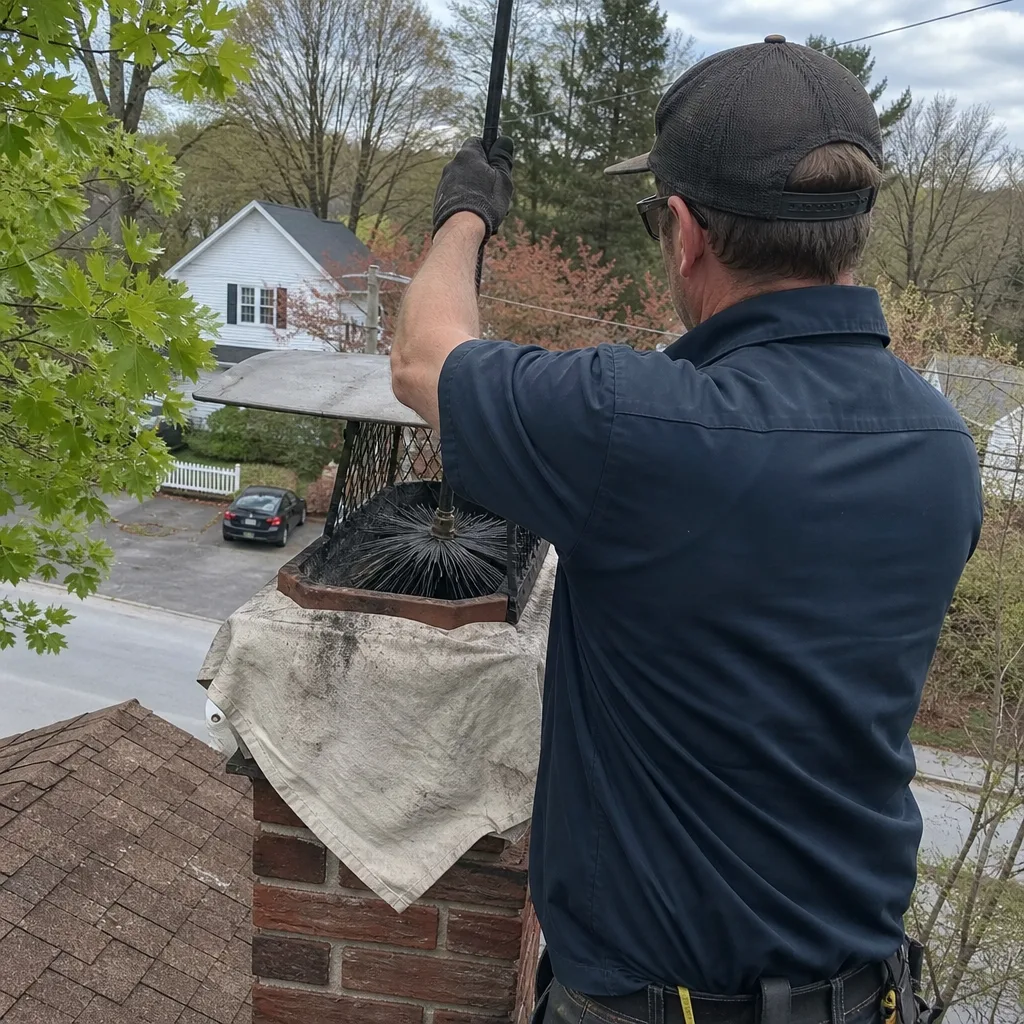
- Rust-colored streaks on the chimney breast or fireplace face. HeatShield’s galvanized caps carry a 10-year corrosion warranty in dry climates, but Phoenixville’s freeze-thaw cycles and the calcium chloride residue from Schuylkill Valley road salting accelerate galvanic breakdown. Once the zinc layer breaches, the steel core rusts through from the inside out, often before any hole is visible from the ground.
- Water dripping into the firebox during rain, especially wind-driven storms. The cap’s mesh screen or lid has separated from the mounting flange, or the storm collar sealant has hardened and cracked. HeatShield caps use a butyl rubber storm collar that’s rated for 15 years in moderate climates; we’ve found it starts checking at year 7-9 in Pennsylvania’s UV exposure.
- Birds or squirrels nesting in the flue, or audible animal activity. The mesh sides of the cap have corroded through or been bent back by a falling branch. HeatShield’s standard mesh is 5/8-inch galvanized hardware cloth; once a single wire breaks, squirrels can work the opening wider in a single afternoon.
- The cap is visibly tilted, shifted, or missing entirely after high winds. The mounting straps or screw anchors have pulled out of deteriorating mortar joints. This is common on Phoenixville’s pre-1950 masonry where the original lime mortar has softened; the cap was only as secure as the brick it was fastened to.
- Smoke backing up into the room on startup, especially in mild weather. The cap’s lid has collapsed downward or the mesh is clogged with creosote flakes, restricting draft. We see this most often on caps that were never paired with a proper sweep schedule; Class III glazed creosote can reduce free airflow through the mesh by 60% before it’s visible from below.
 Before
 After
AfterReplacement Cost & What’s Included
| Service Component | Price Range (Phoenixville) |
|---|---|
| Standard galvanized HS-CAP, installed (8″-10″ flue) | $340-$420 |
| Stainless HS-SS-CAP, installed (8″-10″ flue) | $480-$580 |
| Oversized or custom-fabricated cap (13″+ or multi-flue) | $520-$620 |
| Mortar joint repair/repointing at mount points (if needed) | $80-$150 |
| Flue top camera inspection and photo record | Included |
What drives the range: flue height above the roofline (taller = more ladder time), condition of existing mortar at the mount points, and whether we need to fabricate a cap for an unusual flue dimension. Every quote is written before work starts, with the scope, the exact part number, and the warranty spelled out. The 365-Day Done Right Promise applies to all cap installations, and the photo record of your flue top condition is archived under Haven Standard Clause 4.
DIY or Call Us?
There’s one thing you can safely check yourself: whether the cap is actually loose. Binoculars from the ground, or a careful look from an upstairs window, will tell you if it’s shifted or missing screws. Don’t climb the roof to confirm. Chimney cap work involves steep pitches, ladder placement on uneven grade, and working at height with both hands occupied; the fall risk far exceeds any parts savings.
Where DIY goes wrong: improper storm collar sealing (silicone instead of the specified high-temp sealant, which fails at 400°F and lets water track under the collar), over-torqued mounting screws that crack flue tiles, and caps installed without verifying flue draft after the mesh is in place. We’ve pulled caps off in Phoenixville where the homeowner’s “simple swap” blocked 40% of the flue exit and sent carbon monoxide spilling into the living space. The camera doesn’t negotiate - we inspect the flue top and test draft before we leave every job. If you want a second opinion on any written estimate, bring it to us; the review is free.
FAQs
Expect 8-12 years for the galvanized standard cap and 15-20 years for stainless, assuming annual inspection and proper storm collar maintenance. The freeze-thaw cycling and road salt aerosol in the Schuylkill Valley corridor cut 2-3 years off the manufacturer’s dry-climate ratings. Call (610) 321-5157 for an exact quote on replacement - estimates are free.
Mesh can be patched and lids can sometimes be re-secured if the frame is sound, but we rarely recommend it. Once galvanized steel starts rusting, the damage is systemic; a patched cap fails again within two years, and the second removal costs more because the fasteners have seized. We show you the camera footage of the corrosion pattern before quoting either repair or replacement.
Most single-flue replacements are completed in 90 minutes to two hours, including the pre-install camera inspection, mortar prep if needed, and post-install draft verification. Multi-flue or custom-fabricated caps add 30-60 minutes. We text when the technician is en route, and license information is available on request.
We stock the four most common round sizes in both galvanized and stainless on our trucks, along with DuraFlex and Gelco equivalents. Odd sizes or multi-flue configurations are sourced through Haven’s buying network with a 2-3 day turnaround; we don’t start work until the part is in hand and you’ve approved the written price.
Ready to get your HeatShield chimney cap sorted? Call Level Two Chimney Phoenixville at (610) 321-5157. A live person answers 24/7, and we’ll schedule a free estimate with written pricing before any work begins. Corrine Halstead and our crew have been working the Phoenixville area for several years now, including the older masonry stacks near the Schuylkill River trail where the creosote buildup usually tells a longer story than the homeowner expects. We’ll show you what the camera sees, name the price, and get it handled.
Written by Corrine Halstead, Owner, Level Two Chimney Phoenixville at Level Two Chimney Phoenixville, serving Phoenixville and nearby areas.